
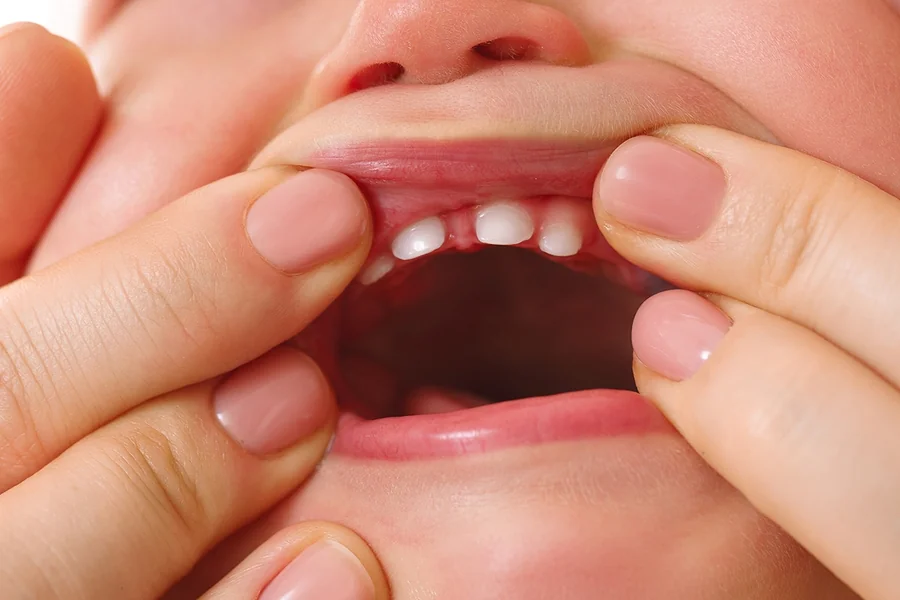
You are probably focused on pain control, soft foods, and getting your child through the day without tears. That makes sense. After surgery, food turns into comfort, routine, and one less battle. The problem is that temporary diet changes often mean more crackers, juice, sports drinks, applesauce pouches, ice cream, or frequent sipping on sweet liquids, and those choices can raise the risk of tooth decay faster than many parents expect. If you have concerns, a pediatric dentist in Reseda, CA can help you protect your child’s teeth during recovery.
A short recovery period does not guarantee short term effects on oral health. When a child eats soft, starchy, or sugary foods more often, the mouth stays acidic longer. Teeth get less of a break, plaque bacteria feed more often, and brushing may be harder if the mouth is sore. That mix can lead to early cavities, enamel wear, or gum irritation. A pediatric dentist can help you protect your child’s teeth during recovery without making mealtimes harder than they already are.
Temporary post surgery diets can raise cavity risk fast
Many recovery diets are built around foods that are easy to swallow, not foods that are easy on teeth. Mashed potatoes, pudding, yogurt with added sugar, smoothies, white bread, macaroni, and frequent juice all seem harmless because they are soft. Soft does not mean low risk. Sticky starches cling to teeth, and sweet drinks bathe the mouth in sugar and acid.
You may also notice that your child wants to graze instead of eat full meals. That is common after surgery. Small bites and sips all day feel easier when appetite is low or the throat hurts. The downside is that constant snacking gives teeth very little time to recover. Saliva needs time to neutralize acids. If the mouth stays in a cycle of snack, sip, and rest, enamel takes the hit.
Brushing can become another problem. A child with oral pain, jaw soreness, nausea, or low energy may resist brushing or do a rushed job. If surgery involved the mouth or throat, even gentle brushing may feel like too much for a day or two. That does not make you careless. It means recovery changed the usual routine, and dental risk went up at the same time.
Guidance from the CDC on children’s oral health habits supports the basics that matter most here: brushing twice a day with fluoride toothpaste, limiting sugary drinks, and keeping regular dental care in the picture.
Soft food choices after surgery can help or harm a child’s teeth
Some soft foods are much kinder to teeth than others. Plain yogurt, scrambled eggs, oatmeal without added sugar, cottage cheese, avocado, soft beans, and mashed vegetables usually cause less trouble than gummy snacks, sweetened applesauce, flavored milk, or constant juice. The difference is not just sugar content. Texture matters. Foods that wash away more easily tend to be less likely to stick around and feed cavity causing bacteria.
There is also a bigger pattern worth noticing. Research on children’s oral health keeps linking diet quality and daily habits to dental outcomes. This CDC research update on child oral health patterns adds to that conversation by showing how behavior and access shape what happens in real life, not just in theory.
If your child had tonsil surgery, dental treatment, orthopedic surgery, or another procedure that changes eating for a week or two, the goal is not perfection. The goal is reducing the number of sugar and starch exposures each day. Recovery is hard enough without turning every snack into a fight.
Food choices during recovery affect enamel, plaque, and comfort
Post surgery diet and child dental health often come down to three things at once: what the child eats, how often they eat, and whether normal brushing has changed. When all three shift in the wrong direction, teeth are more vulnerable.
| Recovery Food or Drink | Effect on Teeth | Better Choice |
|---|---|---|
| Juice or sports drinks sipped often | High sugar and acid exposure throughout the day | Water between meals, milk with meals if tolerated |
| Ice cream and pudding several times a day | Sugar feeds plaque bacteria, frequent exposure increases risk | Plain yogurt, unsweetened applesauce, soft cheese |
| Crackers, white bread, chips | Starches stick to teeth and break down into sugars | Scrambled eggs, oatmeal, mashed beans |
| Constant grazing on soft snacks | Less time for saliva to protect enamel | Set snack and meal times when possible |
| Skipping brushing because the mouth is sore | Plaque builds quickly during recovery | Use a soft brush, brush gently, ask about alternatives if pain is severe |
The AAPD dietary recommendations for children support limiting added sugars and choosing foods that support oral and overall health. That matters even more during recovery, when convenience can quietly push the diet in the opposite direction.
Small changes protect teeth without making recovery harder
Choose fewer eating times
If your child can manage it, group food and drink into meals and planned snacks instead of constant nibbling. Even one less hour of grazing helps. Offer water between eating times. That simple shift lowers how often teeth face sugar and acid.
Swap just two high risk foods
You do not need to rebuild the whole menu. Replace two common troublemakers first. Trade juice for water or milk at least part of the day. Trade sticky crackers or cookies for eggs, yogurt, or mashed avocado. This is one of the easiest ways to reduce the effect of temporary diet changes after surgery on teeth.
Keep oral care going, even if it looks different
Use a soft toothbrush and a small smear or pea sized amount of fluoride toothpaste based on your child’s age. Brush gently along the gumline and teeth, even if the session is shorter than usual. If your child cannot tolerate full brushing for a day, try wiping teeth gently and getting back to normal brushing as soon as possible. If pain, swelling, or refusal lasts, call a pediatric dental office.
A pediatric dentist can help you prevent bigger problems later
Recovery diets are temporary, but cavities are not. If your child has been on soft, sweet, or frequent snacks for more than a few days, or if brushing has been difficult, it is smart to have a children’s dental care after surgery plan in place. You are not overreacting. You are catching a small problem before it becomes one more thing your child has to deal with.
A pediatric dentist can check for early signs of enamel weakness, review better recovery foods, and help you adjust home care based on your child’s age and surgery type. A few practical changes now can protect your child’s comfort, teeth, and routine long after recovery ends.