
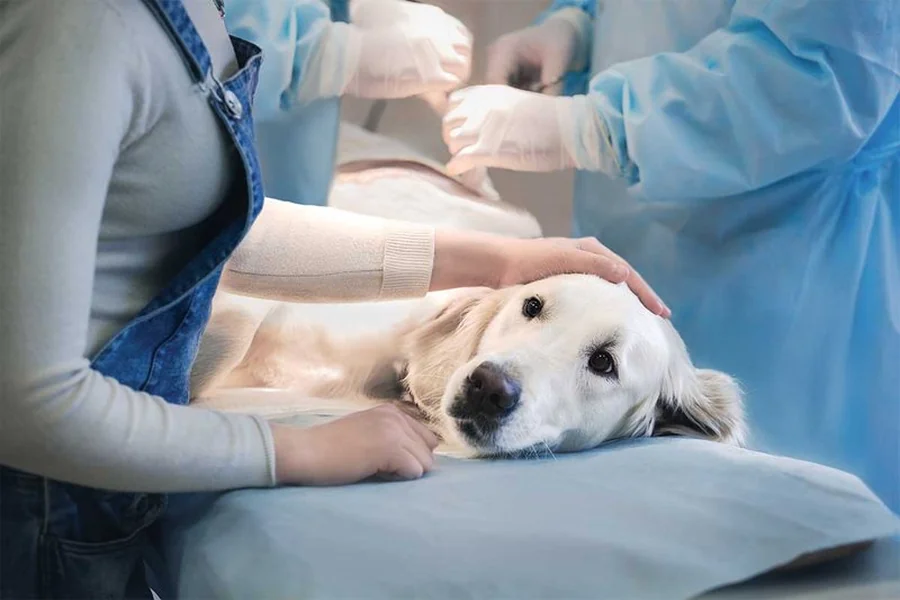
You do not hear the words “complex surgery” and stay calm. Your mind goes straight to risk, pain, cost, and the fear of handing your pet over when you cannot explain what they mean to you. If your dog or cat needs a major procedure at a veterinary clinic in Beaumont, you are probably trying to hold onto the facts while also bracing for the worst.
That tension is real, and it helps to know what actually happens behind the doors of an animal hospital. Safe surgical care is not one decision made in the operating room. It is a chain of careful steps that starts before anesthesia, continues through surgery, and carries on into pain control and recovery. How Animal Hospitals Handle Complex Surgeries Safely comes down to planning, monitoring, trained staff, and clear protocols for when something changes fast.
Advanced veterinary surgery depends on preparation before the first incision
Major procedures in an animal hospital often involve patients that are older, injured, sick, or already unstable. A routine spay is one thing. A mass removal near a major blood vessel, an emergency abdominal surgery, or an orthopedic repair after trauma is different. The margin for error is smaller, and that is why preparation gets so detailed.
Before surgery, the team checks blood work, imaging, medical history, current medications, and breed specific concerns. A short nosed dog may need a different airway plan. A senior cat with kidney disease may need a different fluid plan. A large dog with internal bleeding may need blood products ready before anesthesia even starts. These details are not small. They shape every step that follows.
This is where many pet owners feel lost, because the estimate or consent form can seem packed with line items. Pre anesthetic testing, IV catheter placement, imaging, blood pressure support, pain medication, and monitoring equipment may look like extras when you are already overwhelmed. They are part of the safety net. In complex cases, the safest path is rarely the simplest one.
Anesthesia safety in an animal hospital relies on constant monitoring
For many owners, anesthesia is the hardest part to accept. Surgery feels concrete. Anesthesia feels invisible, and that can make it scarier. In a well run animal hospital, anesthesia is treated as its own medical service, not just a step before surgery.
The anesthetic plan is built around the pet, not pulled from a template. Drug choice, airway management, fluids, temperature support, and pain control are adjusted to the patient’s age, weight, condition, and procedure. Veterinary teaching hospitals outline this clearly in their anesthesia and pain management services, including tailored plans and close monitoring during and after procedures. You can see examples from Virginia Tech’s anesthesia and pain management service and Washington State University’s veterinary anesthesia service.
During surgery, trained staff monitor heart rate, oxygen levels, blood pressure, breathing, temperature, and depth of anesthesia. If a pet’s blood pressure drops or breathing changes, the team responds right away. That constant attention is one of the biggest reasons safe pet surgery is not just about the surgeon’s skill. It is also about the people watching every second around them.
Complex surgeries stay safer when pain control and recovery are planned early
Pets do not need to “push through” pain after surgery. Good pain control lowers stress on the body and supports smoother healing. In complex procedures, pain management is often layered. A pet may receive medications before surgery, local blocks during the procedure, and continued medication during recovery.
Recovery is also where hidden problems can show up. A pet may be slow to wake up, struggle to regulate body temperature, or need extra oxygen support. Some need overnight care, repeat lab work, or restricted movement with close nursing supervision. This is one reason complex pet surgery safety depends on the full hospital system, not only the operating room.
You may also be dealing with cost decisions at the same time. That is hard, especially if the surgery was not expected. Higher level monitoring, specialist support, and longer recovery care can increase the bill, but they also reduce avoidable complications. In many cases, the cost reflects the number of safety layers built around your pet.
Safety measures in veterinary surgical care vary by case
| Safety Step | What It Does | Why It Matters in Complex Cases |
|---|---|---|
| Pre surgical blood work and imaging | Finds organ issues, anemia, infection, masses, or internal injury | Helps the team adjust anesthesia, fluids, and surgical planning |
| Individual anesthesia plan | Matches drugs and support to the pet’s condition | Reduces risk for seniors, trauma patients, and pets with chronic disease |
| Continuous monitoring | Tracks oxygen, blood pressure, heart rate, breathing, and temperature | Allows rapid response if the pet becomes unstable |
| Dedicated pain management | Controls pain before, during, and after surgery | Supports healing, comfort, and steadier recovery |
| Post operative nursing care | Monitors recovery, mobility, appetite, and incision status | Catches problems early, including bleeding or breathing trouble |
Clear questions help you judge an animal hospital’s surgical safety standards
Ask who monitors anesthesia. You want to know whether a trained technician or anesthesia focused team member is assigned to watch your pet during the procedure. Ask what equipment is used and how the hospital handles sudden changes in blood pressure or breathing.
Ask what happens before and after surgery. Pre op testing, pain control, recovery monitoring, and overnight care all matter. If your pet has a heart issue, kidney disease, or breed related risk, ask how that changes the plan. Specific answers are a good sign.
Ask for the discharge and emergency plan in advance. Know what recovery at home should look like, what warning signs need urgent attention, and who to call after hours. The best veterinary surgical care does not end when your pet leaves the building.
Confidence comes from process, not promises
No surgery is risk free, and honest animal hospitals will tell you that. What they can do is lower risk through preparation, skilled anesthesia support, close monitoring, pain control, and strong recovery care. That is how animal hospitals handle complex surgeries safely, step by step, with systems built for the moments that matter most.
If your pet is facing a major procedure, slow the conversation down and ask direct questions. You deserve clear answers, and your pet deserves a team that treats safety as a full process, not a slogan.