
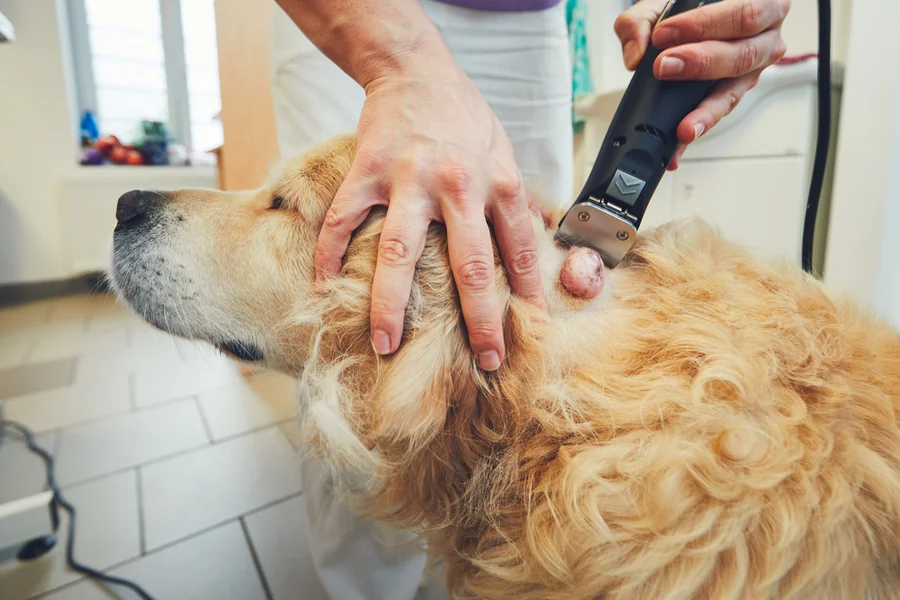
You brought your pet through surgery, waited through the hardest part, and then another unfamiliar phrase lands in your lap: surgical margins. That moment can feel cruel. You want a simple answer. Was the tumor fully removed, or is this not over yet? If you’re seeking pet care services in Valencia County, NM, understanding what surgical margins mean can help you ask the right questions and feel more prepared for what comes next.
What Surgical Margin Results Mean After A Pet’s Tumor Removal comes down to one issue, whether cancer cells were left behind at the edges of the tissue your veterinarian sent to the lab. Clean margins usually mean the tumor was removed with a border of normal tissue around it. Dirty or incomplete margins mean tumor cells reach the cut edge, which raises the chance that some disease remains. Close margins sit in the middle and often need a more careful plan. The pathology report matters, but it is only one piece. Tumor type, grade, location, and your pet’s overall health all shape what happens next.
Surgical margin results help predict what comes next after tumor surgery
After a mass is removed, the tissue goes to a pathologist. That specialist examines thin sections under a microscope and looks at the edges, or margins, of the specimen. If no tumor cells are seen at the outer edges, the report may say complete, clean, or tumor free margins. If tumor cells touch the edge, the report may say incomplete, narrow, or dirty margins.
This is where many owners get tripped up. A clean margin is good news, but it is not a promise that cancer will never return. A dirty margin does not always mean another surgery is certain. Some tumors behave aggressively even with clean margins. Others grow slowly, and your veterinarian may recommend monitoring rather than rushing into more treatment.
The report can also reflect the limits of anatomy. A tumor on a leg, face, or near the anus often cannot be removed with wide borders without affecting function. In those cases, your veterinary team may remove as much as safely possible and then use the pathology results to decide whether more care is needed.
Margin status is only part of the story in a pet tumor pathology report
If your pet’s report says incomplete margins, your mind may jump straight to worst case scenarios. That fear makes sense. You already paid for surgery, managed recovery, and hoped the mass was behind you. Hearing that cells may remain can feel like being pushed back to the start.
The next step depends on what kind of tumor this was. Mast cell tumors, soft tissue sarcomas, and mammary tumors all behave differently. Grade matters too. A low grade tumor with narrow margins may be watched closely. A high grade tumor with incomplete margins may call for another surgery, radiation, or referral to oncology.
Pathology wording can sound more certain than real life feels. A report describes the tissue submitted, not every cell in the surgical site. Tissue also shrinks after removal and processing, so the measured margin on paper may be smaller than what was taken in surgery. That is one reason your veterinarian reads the pathology report alongside the surgical notes, exam findings, and the behavior of the tumor itself.
If you want to understand how samples are evaluated, the Texas A&M Dermatopathology Laboratory submission information gives useful context on how tissue is handled and reviewed. The process is methodical, but it still requires interpretation.
Pet tumor margin results affect treatment choices, cost, and peace of mind
Margin status does more than label the surgery. It shapes decisions that can affect your pet’s comfort, your budget, and your ability to plan. A second surgery may offer the best chance at local control, but it may also mean another anesthetic event, more healing time, and more expense. Radiation can be effective for some tumors with residual disease, though access and cost can be limiting. Monitoring may spare your pet more procedures, but it can leave you watching every bump and every scar with a knot in your stomach.
That tension is real. You are balancing quality of life with risk. You are weighing what is medically ideal against what is physically, emotionally, and financially possible. Good care is not measured by choosing the most aggressive option every time. Good care is choosing a plan that fits the tumor, fits your pet, and fits your circumstances.
Stories of pets who beat difficult odds can offer hope without giving false certainty. The case of Jake from State Farm at Texas A&M shows how advanced veterinary care can make a difference, though every case has its own facts and limits.
Common surgical margin findings and what they often mean
| MARGIN RESULT | WHAT THE REPORT SUGGESTS | COMMON NEXT STEP |
| Clean or complete | No tumor cells seen at the tissue edge | Monitoring, plus follow up based on tumor type and grade |
| Close or narrow | Tumor cells are near the edge, but not at it | Review tumor behavior, consider recheck plan or added treatment |
| Incomplete or dirty | Tumor cells extend to the cut edge | Discuss second surgery, oncology referral, radiation, or monitoring |
| Indeterminate | Margins cannot be clearly assessed | Correlate with surgical notes, exam findings, and possibly more imaging or consultation |
Understanding pathology margins after pet tumor removal gets easier when you stop looking for a one word verdict. The better question is how this result changes your pet’s actual risk of regrowth or spread.
Three steps to take after you receive a margin report
- Ask for the exact wording from the pathology report. Terms like close, incomplete, and clean do not mean the same thing. Get a copy of the report and ask your veterinarian to explain the tumor type, grade, and margin description in plain language.
- Ask what the risk is if you do nothing right now. That question often brings the clearest answer. For some tumors, waiting and watching is reasonable. For others, delay can make the next treatment harder or less effective.
- Ask what each option costs your pet, not just your wallet. A second surgery may offer strong local control, but function matters. Recovery matters. Stress matters. If referral is on the table, ask what an oncologist or surgeon would add before you decide.
Clear answers matter after an animal hospital removes a tumor
You do not need to decode this alone. Margin results can sound blunt on paper and still leave room for careful judgment. Clean margins are reassuring. Incomplete margins deserve attention. Neither result tells the whole story by itself.
Your next move should come from a full conversation about the pathology report, your pet’s tumor type, and what kind of treatment truly serves your pet best. Reach out to your animal hospital and ask for that discussion. Clear information now can spare you confusion later.