
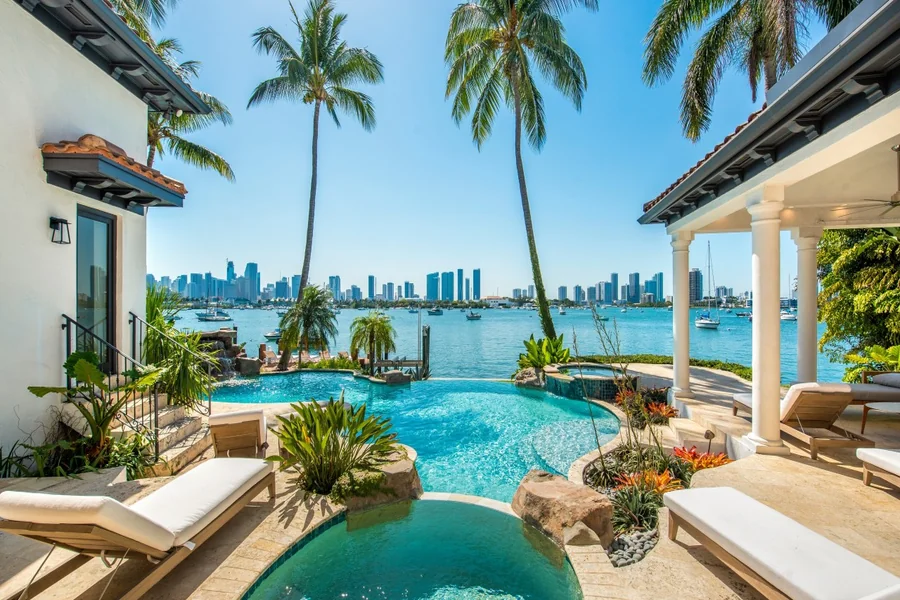
In 2025, lifestyle is no longer a passive reflection of circumstance—it’s an active expression of identity, values, and aspirations. This year, global citizens are pushing back against outdated norms and reshaping their everyday experiences in bold, imaginative ways. From nature-integrated living to neurodivergent-friendly design, people are choosing paths that prioritize mental clarity, authentic connection, and ethical living. Let’s explore the key lifestyle trends redefining how we live, thrive, and relate to the world around us in 2025.
Neuroinclusion Becomes a Design Priority
For years, the wellness conversation focused primarily on physical health and general mental well-being. In 2025, a new wave of awareness is shifting design and social norms toward neuroinclusion. That means living spaces, schools, and work environments are now being built with neurodiverse individuals in mind.
Think low-stimulation zones in cafes, noise-canceling architecture, and wearable tech that provides real-time feedback to help people self-regulate anxiety or sensory overload. Companies are updating workflows to allow for asynchronous collaboration, while public spaces are integrating sensory-friendly features. It’s a cultural movement toward honoring how differently wired brains function—and flourish.
Digital Nomadism Evolves into Global Homesteading
Remote work is no longer novel—it’s foundational. But in 2025, digital nomadism has transformed into global homesteading, where people are setting up semi-permanent bases across continents. Rather than hopping from country to country every month, workers are choosing two or three places to rotate between seasonally—creating deeper connections with local communities and cultures.
Visa programs are adapting to meet demand, offering long-term digital resident options with tax benefits and access to public services. Eco-villages, community-run co-ops, and “remote work retreats” are multiplying, offering a sense of groundedness in an otherwise mobile lifestyle.
Natural Tech: Biophilic Meets AI
The home of 2025 is a hybrid of organic and digital intelligence. Biophilic design—bringing nature into architecture—is being upgraded with AI integration. Homes are filled with living walls, self-watering plant systems, and daylight-imitating skylights, but now with added layers of automation.
Smart mirrors offer skin analysis and health check-ins, while AI monitors air quality and activates purifiers or aromatherapy when needed. Kitchens have zero-waste systems and apps that build meal plans based on nutritional gaps. In some homes, even pets have smart wearables that track their activity and moods. It’s not just a smart home—it’s an attuned one.
Psychedelic Integration Enters the Mainstream
Mental health treatments have experienced a paradigm shift. In 2025, microdosing psilocybin or guided ketamine therapy isn’t fringe—it’s FDA-approved, clinic-based, and increasingly normalized. With strict regulations and certified practitioners, psychedelic-assisted therapy is being used to treat trauma, depression, and anxiety in ways traditional medicine never could.
This has also influenced broader culture. Meditation apps now include psychedelic education modules, and retreats with integrated therapies are popping up in legal regions. The conversation around mental wellness is more open and less stigmatized than ever before.
Food as Ritual, Not Convenience
The era of rushed meals and frozen dinners is over. In 2025, food is not just about nutrition—it’s about ritual, creativity, and connection. People are embracing slower food preparation, even in busy cities. “Cook and gather” nights are trending, where neighbors meet to share homemade meals prepared with local, seasonal ingredients.
Fermentation is booming again, not just for health but as a communal craft. Kombucha bars, sourdough clubs, and pickling circles are replacing more passive forms of entertainment. Even fast-food chains are adapting, offering customizable, whole-food options with traceable ingredients and cultural backstories.
Vapes, Adaptogens, and the New Relaxation Ritual
Relaxation in 2025 is highly personalized and often bioactive. Vapes have expanded beyond nicotine, offering blends with adaptogens like ashwagandha, reishi, or CBD to promote calm without cognitive fog. These “wellness vapes” are increasingly used in social and wellness settings, much like herbal teas or mocktails. A growing number of wellness brands are even curating limited-time disposable vape deals, making it easier for consumers to try targeted blends without commitment.
At-home “chill stations” include tea infusers, ambient lighting, and scent diffusers, supporting mindful decompression after work. Brands are leaning into neuroaesthetics—colors, textures, and sounds designed to soothe and regulate the nervous system naturally.
Time Affluence: The New Currency
In 2025, success is no longer measured by income, but by time affluence—the freedom to use time meaningfully. People are reorganizing their priorities to create more space for self-care, creativity, and connection. That includes shorter workweeks, “sabbath days” from screens, and solo adventures meant to recharge rather than impress.
There’s a noticeable decline in burnout culture. More people are turning down promotions that come with life-consuming responsibilities and instead choosing jobs that offer lifestyle freedom—even if it means lower pay. In this world, “busy” is no longer a badge of honor. Spaciousness is.
Spiritual Minimalism and Modern Mysticism
As society moves away from material excess, spirituality is taking on a more minimal, direct form. In 2025, people are finding meaning through stripped-down rituals: daily journaling, lighting a candle with intention, or morning walks in silence. Astrology, tarot, and breathwork are mainstream tools for self-discovery.
There’s also a growing trend of “quiet altars”—small, intentionally curated spaces in the home meant for reflection and grounding. These altars often include objects like stones, incense, photos, or written affirmations. The point isn’t performance—it’s presence.
Real-Life Socialing Over Virtual Scrolls
After years of digital saturation, 2025 is seeing a widespread return to in-person connection. Instead of scrolling through feeds, people are joining niche in-person clubs, attending live storytelling events, or meeting friends for hobby-based gatherings. Shared experiences—whether it’s pottery classes, dance groups, or forest hikes—are now seen as essential mental health practices.
Social media hasn’t disappeared, but it’s been redefined. Platforms are offering “slow scroll” modes, minimizing addictive features and encouraging off-app engagement. The digital and physical are no longer competing—they’re collaborating for a more human-centered experience.
Conscientious Parenthood
Raising children in 2025 means breaking cycles, not just routines. Parents are more intentional than ever, choosing parenting styles that prioritize emotional intelligence, open communication, and minimal environmental impact. Toy libraries, nature-based schooling, and screen-free zones are all part of this new parental consciousness.
Parents are also practicing “gentle tech”—allowing limited screen use but with boundaries, education, and co-engagement. From toddler meditation guides to child-friendly food gardens, family life is becoming a space for learning, healing, and experimenting with better ways to be human together.