
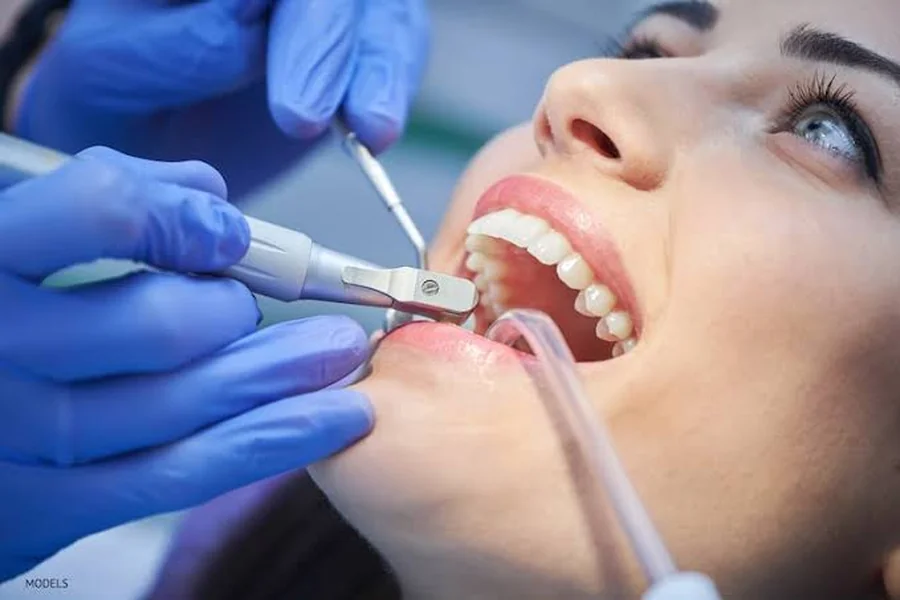
You do the hard part first. You commit to a dental implant, heal from the procedure, adjust to the feel of it, and start trusting your smile again. Then life gets busy, your implant feels fine, and routine cleanings can start to seem optional. That is usually where small problems begin. An implant does not get cavities, but the gums and bone around it can still become inflamed, infected, and damaged. Regular cleanings help protect the work you already paid for, the comfort you expect every day, and the long term stability of your implant. Sequim restorative dentistry.
If you have ever thought, “It feels solid, so I’m probably okay,” you are not alone. Early implant problems often do not hurt much. You may notice a little bleeding when brushing, a bad taste, or mild tenderness that comes and goes. Those signs are easy to brush off. They matter because plaque and hardened buildup can collect around an implant just like they do around natural teeth, and once inflammation settles into the gum tissue, the bone supporting the implant can start to shrink.
Dental implant maintenance protects the gums and bone that hold your implant in place
The implant itself is titanium or another biocompatible material. It is designed to fuse with bone, but that bond depends on healthy surrounding tissue. When plaque sits along the gumline, bacteria trigger inflammation. Around natural teeth, that can lead to gum disease. Around implants, it can lead to peri implant mucositis and peri implantitis. Mucositis is the early stage, where the gums become red, swollen, or bleed. Peri implantitis is more serious because it involves bone loss.
This is why regular dental cleanings for implants matter so much. Home care removes a lot, but it does not always reach below the gumline or around the contours of an implant crown. If tartar forms, brushing will not remove it. A professional cleaning can. Your dentist or hygienist also checks for subtle changes, including pocket depth, bleeding, bite pressure, loose components, and early signs of tissue breakdown.
The FDA’s guidance on dental implants points out that implants need careful oral hygiene and regular follow up care. That is not a formality. It is part of what keeps an implant functioning well over time.
Skipping professional cleanings can turn a quiet issue into an expensive one
Most people do not ignore dental visits because they do not care. They put them off because work runs late, insurance is confusing, or nothing feels wrong enough to justify the appointment. That makes sense in the moment. The trouble is that implant complications usually get more costly as they get more obvious.
A little bleeding around an implant may be manageable with a cleaning, better home care, and closer monitoring. Bone loss around an implant can mean deeper treatment, replacement of parts, surgical care, or in some cases loss of the implant itself. You are not just protecting a single tooth replacement. You are protecting time, money, comfort, chewing function, and confidence.
Research keeps backing this up. A published review on implant maintenance and outcomes supports the link between consistent supportive care and better implant health over time. The pattern is simple. Patients who keep up with maintenance visits tend to have fewer serious complications than patients who disappear after placement and return only when something feels off.
Routine cleanings and home care work together for long term implant success
Good brushing and flossing still matter every day. They just are not the whole plan. Think of home care as daily control and professional care as precision maintenance. You can clean the visible surfaces at home, but you cannot measure gum pockets, polish away mineralized buildup, or check whether your bite is putting excess force on the implant.
This is where people often get frustrated. They are brushing, using floss or interdental brushes, maybe even rinsing, and they still hear they need more maintenance. That does not mean you failed. It means implants need ongoing support, just like natural teeth need ongoing care. Professional implant cleaning is not extra. It is part of owning an implant.
Home cleaning and professional implant care do different jobs
| Care Type | What It Helps With | What It Cannot Fully Do | Likely Result Over Time |
|---|---|---|---|
| Daily brushing and flossing | Removes fresh plaque, reduces odor, keeps gums cleaner | Remove tartar, assess bone or gum changes, adjust bite issues | Strong day to day control when done consistently |
| Professional dental cleaning | Removes hardened buildup, checks tissue health, monitors implant stability | Replace daily home care | Early detection of problems and better long term implant support |
| Skipping maintenance visits | Saves time in the short term | Catch silent inflammation before it worsens | Higher risk of infection, bone loss, and costly treatment |
Small steps now can support your general and implant dentist’s work for years
Book cleanings on a fixed schedule. If you wait until something feels wrong, you are already behind. Ask your dentist how often your implant should be checked and cleaned. Many patients do well with visits every three to six months, depending on gum health, smoking history, diabetes, past gum disease, and how easy the area is to keep clean.
Use the right tools at home. A soft toothbrush, floss designed for implants or tight spaces, and interdental brushes can make a real difference. If a spot around the implant always traps food, say so. There may be a better tool or technique for that exact area.
Pay attention to early warning signs. Bleeding, swelling, tenderness, a loose feeling, pressure when you bite, or persistent bad taste around an implant should not be ignored. These signs do not always mean something severe, but they do mean it is time to be seen.
Dental cleanings support long term implant success because they protect the tissue that keeps the implant stable, help catch trouble early, and reduce the chance that a small issue turns into a major repair. If you have an implant, routine care is not a minor detail. It is how you help that investment last. Reach out to your general and implant dentist to schedule your next maintenance visit and keep your smile on solid ground.