

Traditional billboards have long dominated outdoor advertising, standing tall along highways and cityscapes. But with the rise of digital technology, advertising on LED screens is transforming how businesses engage with their audiences. With these two choices within reach, marketers today face a crucial decision: should they stick with static billboards or embrace the dynamic capabilities of LED screens?
Continue reading to explore the strengths and weaknesses of both formats and determine which works best for your advertising goals.
The Impact of Traditional Billboards
Billboards have been a staple of outdoor advertising for decades. Their ability to display large, visually striking ads makes them effective for brand awareness. These static structures capture attention through sheer size and strategic placement.
One of the key advantages of billboard advertising is its consistent visibility. Unlike digital screens that rotate multiple ads, a traditional billboard displays a single message 24/7. This exclusivity ensures that every passerby sees the same advertisement, reinforcing brand recall.
However, static billboards come with limitations. The inability to change content quickly means advertisers must commit to a design for weeks or months. Additionally, production and installation costs can add up, making it less flexible for brands that need real-time updates.
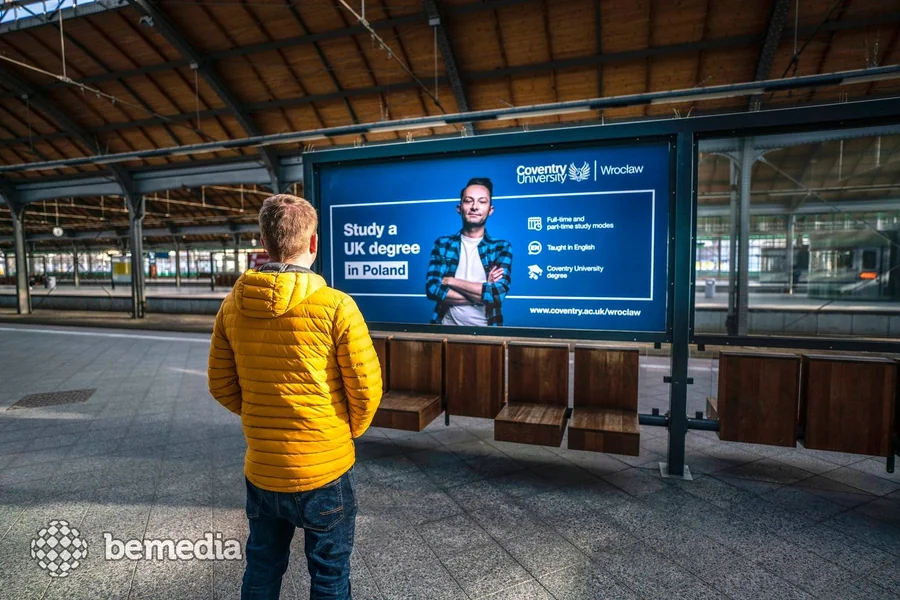
The Power of LED Screen Advertising
Digital LED screens bring motion, color, and dynamic content to outdoor advertising. Unlike traditional billboards, LED screens allow advertisers to rotate multiple ads, display animations, and even update content in real-time.
One of the biggest advantages of LED advertising is its ability to capture attention. Motion and brightness naturally draw the eye, making it easier to engage audiences. This is especially beneficial in busy urban environments where static ads often blend into the background.
Another major benefit is flexibility. Advertisers can modify campaigns quickly to reflect new promotions, time-sensitive messages, or local events. This adaptability is invaluable in industries where marketing messages need to remain fresh and relevant.
However, LED screen advertising also has its challenges. The cost of running digital ads, especially in high-traffic locations, can be higher than static billboards. Additionally, rotating ads means that each brand gets a limited window of exposure, which could reduce visibility compared to a traditional billboard’s constant display.

Which One Wins in Terms of Engagement and Effectiveness?
When it comes to engagement, LED screens hold a clear advantage. It’s been shown that digital content captures more attention than static images, increasing the likelihood of audience interaction. The ability to incorporate video, animation, and real-time updates makes LED screens more engaging and memorable.
Still, traditional billboards hold their ground in specific scenarios. For brands that rely on repetition and long-term brand awareness, a static display can be more effective. A single, unchanging image allows for continuous exposure, reinforcing the message every time someone passes by.
From a return-on-investment (ROI) perspective, the choice depends on campaign objectives. LED screens offer higher engagement and the ability to run multiple ads, making them ideal for short-term promotions and real-time updates.
On the other hand, billboards provide consistent visibility, which can be beneficial for long-term brand positioning.
Which Is Best for Your Business?
Choosing between LED screen advertising and traditional billboards depends on several factors, including budget, campaign goals, and target audience behavior.
- If your goal is brand consistency with a fixed message, static billboards may be the better choice.
- If you need dynamic, high-engagement advertising with real-time updates, LED screens offer greater flexibility and impact.
Ultimately, both forms of outdoor advertising have their strengths. Businesses that leverage a combination of both—using LED screens for timely promotions and billboards for continuous branding—can maximize their reach and effectiveness in today’s competitive market.
Conclusion
Both LED screen advertising and billboard advertising serve valuable roles in outdoor marketing. While LED screens provide flexibility and higher engagement, traditional billboards offer steady brand exposure.
Understanding the advantages of each can help businesses make informed decisions that align with their marketing strategies. The key is to balance visibility, engagement, and cost-effectiveness to achieve the best results for your advertising campaigns.