
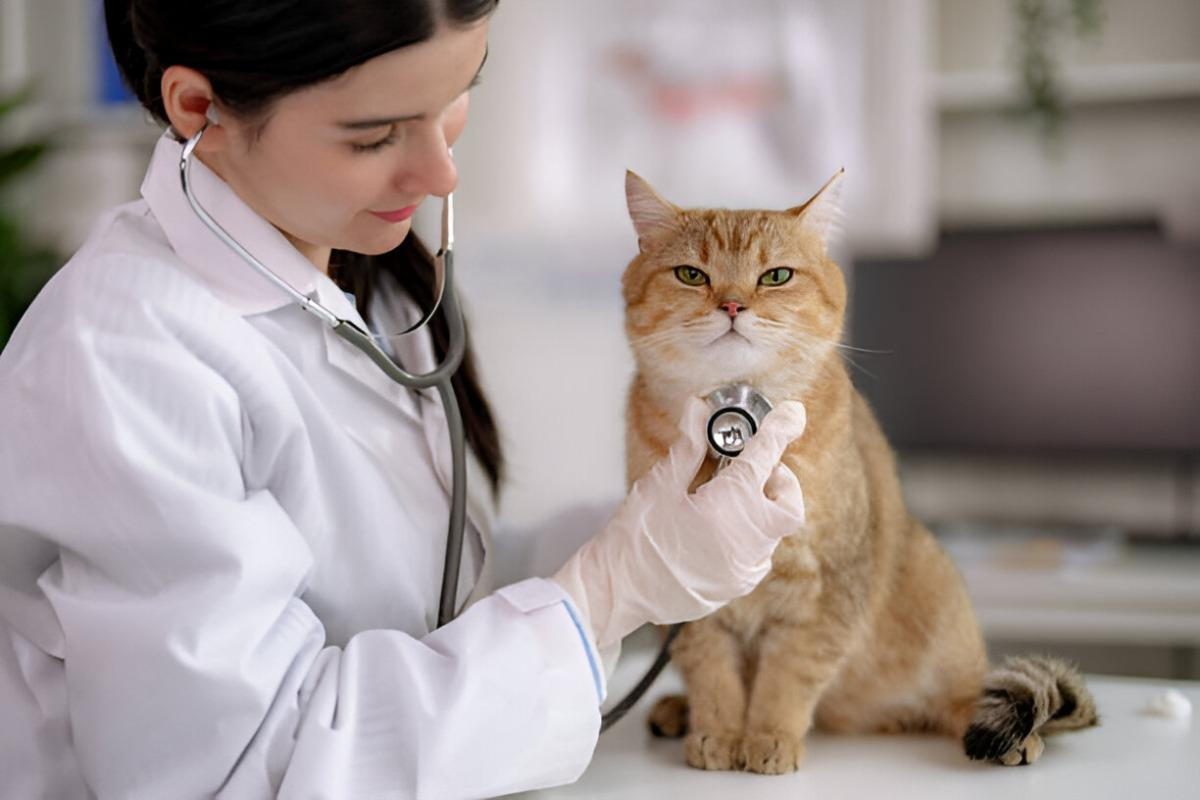
You notice the small changes before anyone else does. Your dog slows down on walks, your cat skips a meal, your older pet starts drinking more water than usual, and suddenly you are watching every movement and second guessing whether it is serious. That stress is real. When your pet cannot explain what hurts, even a minor symptom can feel heavy. For families seeking dental care for dogs and cats in Niagara Falls, ON, those subtle signs can be especially important to catch early.
Modern animal hospitals are built for more than vaccines and yearly checkups. They handle preventive care, urgent problems, long term illness, diagnostics, and even travel paperwork that can turn into a headache fast. Knowing what an animal hospital actually offers helps you act sooner, ask better questions, and avoid waiting until a problem becomes harder and more expensive to treat.
Preventive care at an animal hospital catches problems before they grow
Many people still think of vet visits as something you schedule only when a pet is clearly sick. That is often when the problem has already had time to build. Preventive care is one of the most useful services in a modern animal hospital because it creates a record of what is normal for your pet, and that makes changes easier to spot.
Routine exams, vaccines, parasite prevention, weight checks, dental screenings, and wellness bloodwork all fall into this category. A healthy looking pet can still have early kidney disease, dental infection, arthritis, or thyroid trouble. Those conditions usually start quietly. By the time your pet stops eating or starts hiding, treatment may be more involved.
Primary care also gives you a place to ask the everyday questions that keep pet owners up at night. Is this lump worth testing. Is this diet working. Is that cough from excitement, age, or something more. The companion animal primary care services at Ohio State show how broad regular veterinary care has become, especially for pets who need ongoing monitoring instead of one time treatment.
Diagnostic testing gives fast answers when symptoms are vague
One of the hardest parts of pet care is how nonspecific symptoms can be. Vomiting can mean a mild stomach upset, a blockage, pancreatitis, toxins, or stress. Limping can come from a nail injury, a torn ligament, or bone disease. Waiting and watching feels tempting when you hope it will pass, but that delay can cost time you do not really have.
Modern animal hospitals often offer in house blood testing, urinalysis, fecal testing, X rays, ultrasound, and blood pressure checks. Some also provide advanced imaging or specialist referrals. These tools matter because treatment based on guesswork can miss the real issue. If your cat is losing weight, for example, diagnostics can separate dental pain from diabetes, hyperthyroidism, or intestinal disease. Those are very different problems, and they need very different care.
This is one reason many pet owners search for essential veterinary hospital services instead of a clinic that only handles basics. Access to diagnostics under one roof can shorten the path from symptom to treatment.
Emergency and critical care protect pets when every hour counts
Some situations are clearly emergencies. Trouble breathing, collapse, seizures, major trauma, poisoning, severe bloating, nonstop vomiting, or straining to urinate all need urgent attention. Other cases are less obvious, which is where people often freeze. A dog that will not stand up after seeming fine that morning, or a cat hiding and crying in the litter box, can be in serious trouble even without dramatic signs.
Emergency and critical care services are a core part of many modern animal hospitals. These teams handle stabilization, oxygen support, pain control, fluid therapy, emergency surgery, and close monitoring. The pet emergency and critical care program at Ohio State is a good example of the level of support available when a pet needs immediate medical help.
In those moments, speed matters, but so does preparation. Knowing ahead of time which hospital offers emergency care can spare you from searching while your pet is getting worse in the back seat.
Dental care and surgery treat pain that pets often hide
Pets are good at masking pain. Dental disease is one of the clearest examples. Bad breath gets brushed off as normal, but infected gums, loose teeth, and oral inflammation can affect appetite, mood, and overall health. A pet may still eat while living with daily pain.
Modern animal hospitals usually offer dental cleanings, extractions, oral exams under anesthesia, and monitoring to make these procedures safer. Many also perform soft tissue surgeries such as mass removal, wound repair, spay and neuter procedures, and some orthopedic work. When surgery is recommended, the value is not only the procedure itself. It is the pre op testing, anesthesia monitoring, pain management, and aftercare that surround it.
Travel certificates and care planning help with life beyond the exam room
Veterinary care is not limited to illness. Moving to another state or country with a pet can bring strict deadlines, vaccines, microchip rules, and health certificate requirements. Missing one item can delay travel or lead to denied entry. The USDA pet travel process overview outlines how detailed this process can be.
This is where modern pet hospital services stand out. Many hospitals help with travel exams, required documentation, chronic disease management plans, senior pet care, nutrition support, and end of life guidance. Those services matter because real pet care happens in your daily life, not only in an exam room.
Comparing core animal hospital services helps you plan ahead
The best time to learn what a hospital offers is before you are dealing with a crisis. A quick comparison can save money, reduce delays, and lower the chance of bouncing between multiple providers.
|
Service |
What It Covers |
Why It Matters |
|
Preventive care |
Exams, vaccines, parasite control, wellness labs |
Finds disease early and builds a health baseline |
|
Diagnostics |
Bloodwork, X rays, ultrasound, urine and fecal testing |
Reduces guesswork and speeds up correct treatment |
|
Emergency care |
Stabilization, oxygen, IV fluids, urgent procedures |
Helps in life threatening situations when timing is tight |
|
Dental and surgery |
Cleanings, extractions, mass removal, anesthesia care |
Treats hidden pain and resolves problems that medicine alone cannot |
|
Travel and care planning |
Health certificates, chronic care plans, senior support |
Keeps pets safe during major life changes and long term care |
Three steps you can take right now
Call before you need urgent care. Ask which services the hospital provides on site, whether they handle after hours emergencies, and how they manage referrals. That one call can save time when your pet is sick.
Gather your pet’s records in one place. Keep vaccine history, medications, lab results, microchip number, and past diagnoses together. If you need emergency treatment or travel paperwork, you will not be digging through old emails while stressed.
Schedule a wellness visit even if your pet seems fine. This is one of the most useful animal hospital services because it creates a baseline and catches silent problems early, when treatment is usually simpler and less costly.
Your pet depends on you to notice when something is off, and you do not need to have every answer before reaching out. The right animal hospital can support routine care, urgent needs, and the parts of pet ownership that get complicated fast. If your pet is due for a checkup or you have been putting off a concern, contact a local animal hospital and get a clear plan in place.