
You know your pet better than anyone. You notice the slower jump onto the couch, the change in appetite, the extra scratching, the way a once playful cat starts hiding more. Those shifts can be easy to brush off because life is busy and pets are good at masking discomfort. That is where wellness care matters, especially when working with an animal hospital in Pleasant Prairie. It is not just about shots or a quick once-over. It is about catching small problems before they turn into painful, costly ones, and giving your dog or cat the best chance at a long, steady life.
How animal hospitals provide comprehensive wellness care comes down to routine exams, prevention, early detection, and a care plan that fits your pet’s age, breed, lifestyle, and health history. A good animal hospital is not only treating illness. It is tracking patterns, spotting risk, and helping you make decisions before there is a crisis.
Animal hospitals build wellness care around prevention and early detection
Most pet owners wait for something obvious. Vomiting. Limping. A lump. Trouble breathing. By then, the issue has usually been there for a while. Pets age faster than people, and a lot can change in a year. A routine veterinary visit gives the care team a baseline, which makes it easier to catch weight gain, dental disease, arthritis, skin trouble, heart changes, and early signs of kidney or thyroid problems.
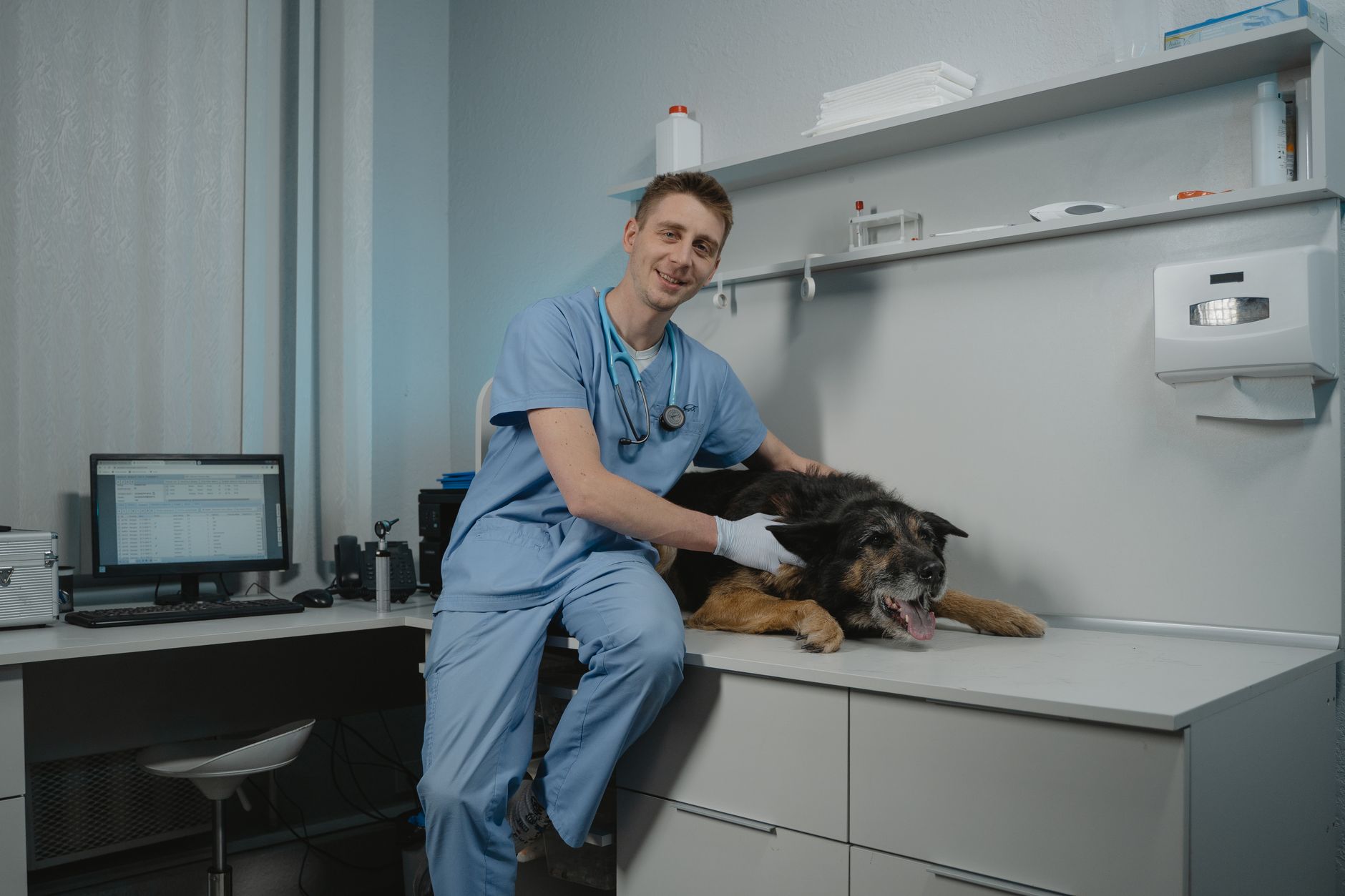
A proper wellness exam is more detailed than many people expect. During a veterinary exam for dogs and cats, the veterinarian checks body condition, heart and lung sounds, skin and coat, eyes, ears, teeth, joints, abdomen, and more. That physical exam is one piece of the picture. The other piece is your input. Changes at home often reveal more than a few minutes in an exam room ever could.
This is where stress and money often collide. You may wonder if the visit is really needed when your pet seems mostly fine. Then you weigh the exam fee, possible lab work, and the fear of hearing bad news. That hesitation is common. It also gives silent conditions room to grow. Dental infections worsen. Obesity strains joints and organs. Parasites go unnoticed. Mild changes become emergencies.
Pet wellness services are designed to lower that risk. Vaccinations protect against preventable disease. Fecal testing can uncover parasites before they spread in your home. Bloodwork may show changes long before your pet acts sick. Nutrition guidance can help with weight control, allergies, and chronic disease management. Senior pets often need closer monitoring because aging is not a disease, but it does increase the chance of hidden problems.
Routine veterinary care supports every stage of your pet’s life
Puppies and kittens need a strong start. That usually means a vaccine series, parasite prevention, spay or neuter planning, and guidance on behavior, diet, and growth. Adult pets often need consistency more than anything else. Their visits focus on maintaining a healthy weight, checking dental health, staying current on vaccines, and updating parasite prevention based on risk.
Senior pets need a different level of attention. You may hear, “He is just getting old,” when what you are really seeing is pain, hormone imbalance, hearing loss, or organ disease. Cornell’s guidance on regular vet checkups for pets reflects what many owners learn the hard way. Scheduled exams help catch disease sooner, when treatment is often simpler and less expensive.
An animal hospital also connects the dots between systems. Ear infections may trace back to allergies. Weight gain may point to low activity, overfeeding, or an endocrine issue. Bad breath may mean more than dirty teeth. This broader view is what makes preventive pet care so effective. It is not one service. It is a pattern of care.
Wellness visits often cost less than delayed treatment
Many owners think they are saving money by waiting. Sometimes they are only postponing a larger bill. A skin issue caught early may need a simple treatment plan. Left alone, it can turn into a chronic infection with repeat visits, testing, medication, and discomfort for your pet. The same goes for dental disease, obesity, and parasite control.
| Approach | What It Usually Includes | Likely Outcome |
| Routine wellness care | Physical exam, vaccines, parasite screening, dental check, weight review, age-based lab work | Problems found earlier, steadier health, fewer urgent surprises |
| Care only when symptoms appear | Visit after vomiting, limping, appetite change, skin flare, or visible pain | More advanced disease, higher treatment costs, more stress for you and your pet |
| Senior pet monitoring | More frequent exams, blood and urine testing, arthritis and mobility review, medication checks | Better comfort, earlier diagnosis, improved quality of life |
That does not mean every test is needed at every visit. Good care is tailored. Indoor cats do not have the same risks as dogs who hike, board, or visit dog parks. A young healthy pet does not need the same plan as a diabetic senior. The point is not to do everything. The point is to do what fits.
Clear steps help you get more from an animal hospital visit
Track changes before the appointment. Write down shifts in appetite, thirst, energy, bathroom habits, scratching, coughing, mobility, or behavior. If your pet has episodes that come and go, record the time, trigger, and duration. A short video can help more than a long explanation.
Ask for a stage of life plan. Your pet’s needs should change with age. Ask what wellness care is recommended now, what can wait, and what signs should trigger a sooner visit. That keeps care focused and makes costs easier to plan for.
Stay consistent with prevention. Vaccines, parasite control, dental care, nutrition, and routine exams work best when they are not skipped. One missed year can hide a lot, especially in cats and older pets who often suffer quietly.
Comprehensive wellness care protects health before a crisis starts
If you have ever felt guilty for not noticing a problem sooner, you are not alone. Pets rarely make things obvious until they feel truly unwell. Regular wellness care gives you backup. It gives your veterinarian a record, a baseline, and the chance to intervene earlier. That is the real value of an animal hospital. It is not only treatment when something goes wrong. It is steady care that helps keep more things from going wrong in the first place.
Schedule your pet’s next wellness visit and use that time to ask what prevention, screening, and follow-up care make sense right now. A simple appointment today can spare your pet a lot of discomfort later.