
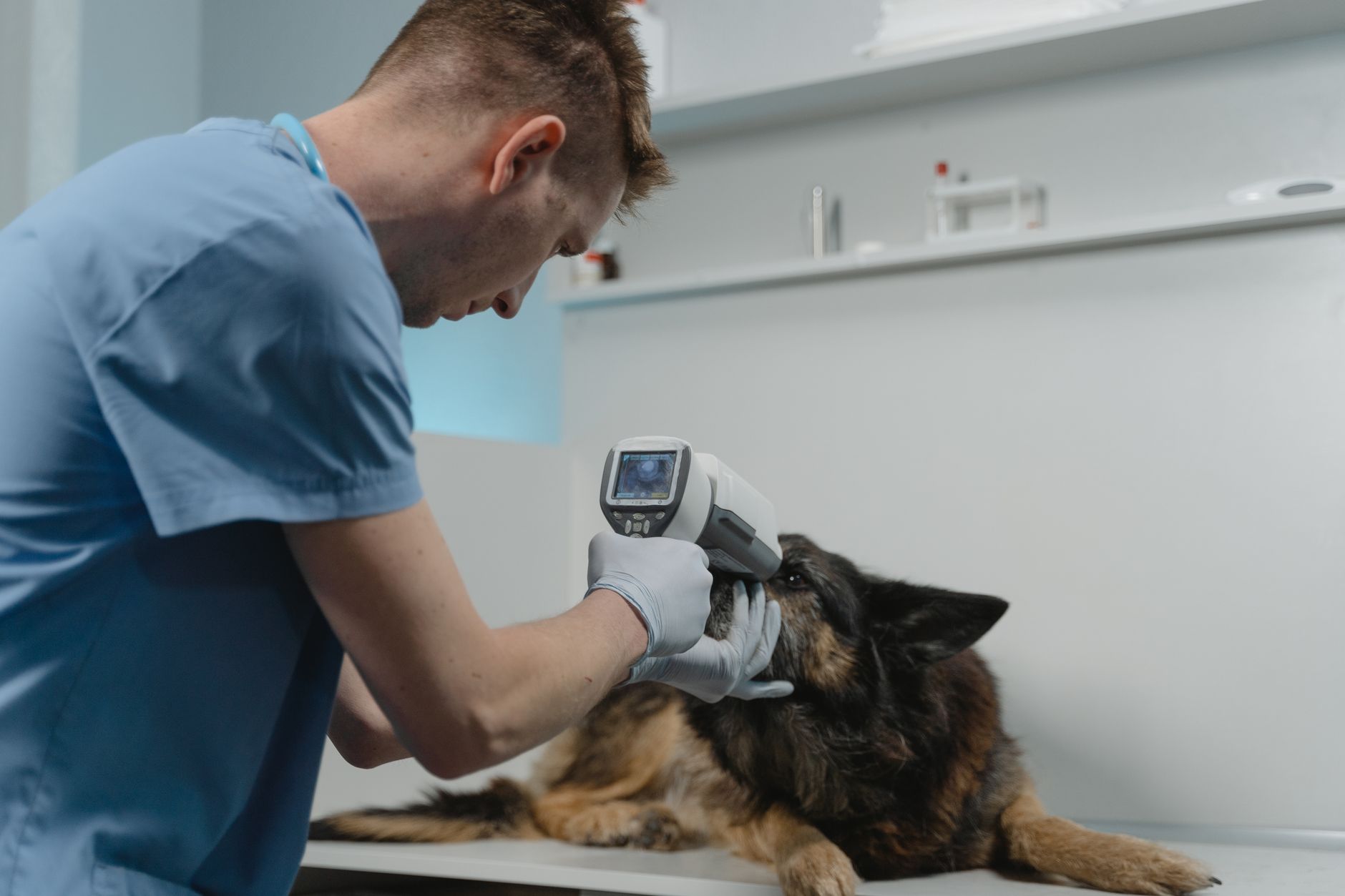
Your pet is sick, stressed, aging, or just not acting right, and the last thing you want is a hard car ride, a crowded lobby, and a frightened animal who shuts down the moment you arrive. That tension is real. You are trying to get answers without making things worse, and that is exactly where mobile veterinary care can help. A Toronto mobile end of life veterinarian can also provide compassionate support at home when comfort and peace matter most.
Mobile Vet Diagnostics: How Bloodwork And Samples Work Without A Hospital comes down to one simple idea. A veterinarian can examine your pet at home, collect many of the same samples taken in a clinic, and send them to a diagnostic lab for testing. You still get useful medical information, your pet stays in a familiar space, and the process often feels calmer for everyone involved.
Mobile veterinary diagnostics bring the lab process to your doorstep
People sometimes assume a mobile veterinarian can only handle vaccines or routine checkups. That is not how modern house call care works. In many cases, a mobile vet can collect blood, urine, fecal samples, skin samples, ear swabs, and other specimens during the visit. Those samples are then prepared, labeled, stored correctly, and sent to an outside laboratory for analysis.
The lab does the same kind of work it would do for a brick and mortar hospital. Blood counts, chemistry panels, thyroid testing, parasite screening, cytology, and other diagnostics often depend more on proper collection and handling than on the building where the sample was taken. If the sample is good, the lab result can be good.
This matters when your dog gets carsick, your cat hides for hours after every trip, or your senior pet struggles to walk across a parking lot. Home based vet testing removes some of the stress before the test even starts, which can also help produce cleaner samples and more accurate exam findings.
Bloodwork at home still depends on timing, handling, and transport
There is a practical side to this that pet owners do not always see. A mobile vet is not pulling a full hospital lab out of a bag. Some tests can be run with portable equipment, but many samples are sent to a reference lab. That means the visit itself is only one part of the chain.
Blood has to be drawn into the right tubes, in the right order, with the right amount. Some samples need to stay cool. Some need to be spun down quickly. Some need to reach the lab within a certain time window. Hematology samples can degrade if they sit too long or are exposed to poor temperatures, which is why labs like Cornell provide detailed hematology sample submission guidance. The same is true for many other specimen types. The University of Georgia also outlines sample collection and submission recommendations because handling errors can change the result.
If your pet needs testing for travel, regulatory review, or a reportable condition, the paperwork can matter just as much as the sample. Federal guidance for laboratory submissions shows how specific some submissions must be.
This is where a good mobile service earns its value. The visit may look calm and simple from your side, but behind that is a process. Labeling, packaging, courier timing, lab selection, and follow up all affect whether your pet gets a clear answer or a frustrating repeat test.
Mobile pet bloodwork works best when the test matches the setting
Not every diagnostic need fits a house call. If a pet is crashing, bleeding heavily, struggling to breathe, or needs emergency imaging and immediate surgery, a full hospital is the right place. Mobile care is strongest when your pet is stable enough for home evaluation but still needs real medical work.
That includes common situations many families face. A cat with weight loss may need bloodwork for kidney disease or hyperthyroidism. A dog with chronic itching may need skin and ear samples. A senior pet with appetite changes may need a chemistry panel, complete blood count, and urinalysis. A nervous dog with diarrhea may need fecal testing without the stress of a clinic visit triggering even more stomach upset.
At home veterinary testing also helps when monitoring an ongoing condition. Pets with diabetes, kidney disease, thyroid disease, liver issues, or long term medication use often need repeat lab work. Doing those rechecks at home can make ongoing care more realistic, which means problems are more likely to get caught early instead of after a crisis.
Comparing mobile vet diagnostics with hospital based sample collection
|
Factor |
Mobile Vet Diagnostics |
Hospital Based Collection |
|
Pet stress level |
Often lower in familiar surroundings |
Often higher with travel, smells, noise, and waiting rooms |
|
Sample types |
Many common samples can be collected at home |
Broadest range, including advanced immediate testing |
|
Emergency support |
Limited for unstable or critical cases |
Better for urgent intervention and rapid escalation |
|
Turnaround time |
Depends on courier schedule and outside lab timing |
May be faster if in house lab equipment is available |
|
Monitoring chronic illness |
Very convenient for repeat checks |
Effective but harder for pets that fear clinic visits |
|
Owner convenience |
High, especially for multi pet homes or limited mobility |
Lower due to transport and time in clinic |
Clear steps make mobile animal diagnostics more useful
1. Gather your pet’s history before the visit. Write down symptoms, when they started, changes in eating, drinking, bathroom habits, energy, and medications. If your pet has had prior lab work, keep those records close. Trends matter. A small shift over six months can say more than one test on one day.
2. Ask how the samples will be handled. You do not need a lecture on lab science. You do need clear answers about what can be collected at home, which tests go to an outside lab, how quickly samples are shipped, and when results usually come back. That tells you whether mobile pet bloodwork fits your pet’s condition or whether a hospital visit would be smarter.
3. Prepare a calm, workable space. Pick a quiet room with good light and a stable surface. Have treats, a leash, or your pet’s bed nearby. For cats, leave carriers open ahead of time instead of turning the room into a chase. Small details can make sample collection smoother and reduce the need for restraint.
Good diagnostics do not always need a hospital building
You are not overreacting by wanting answers without putting your pet through more fear than necessary. In many cases, a mobile veterinarian can collect the right samples, send them through the right channels, and give you the same kind of medical direction you would expect from a clinic based workup. The setting changes. The medical standards should not.
If your pet needs testing and home care would make the process easier, reach out and ask whether a mobile visit fits the problem. The right plan is the one that gets useful results and keeps your pet as comfortable as possible.