
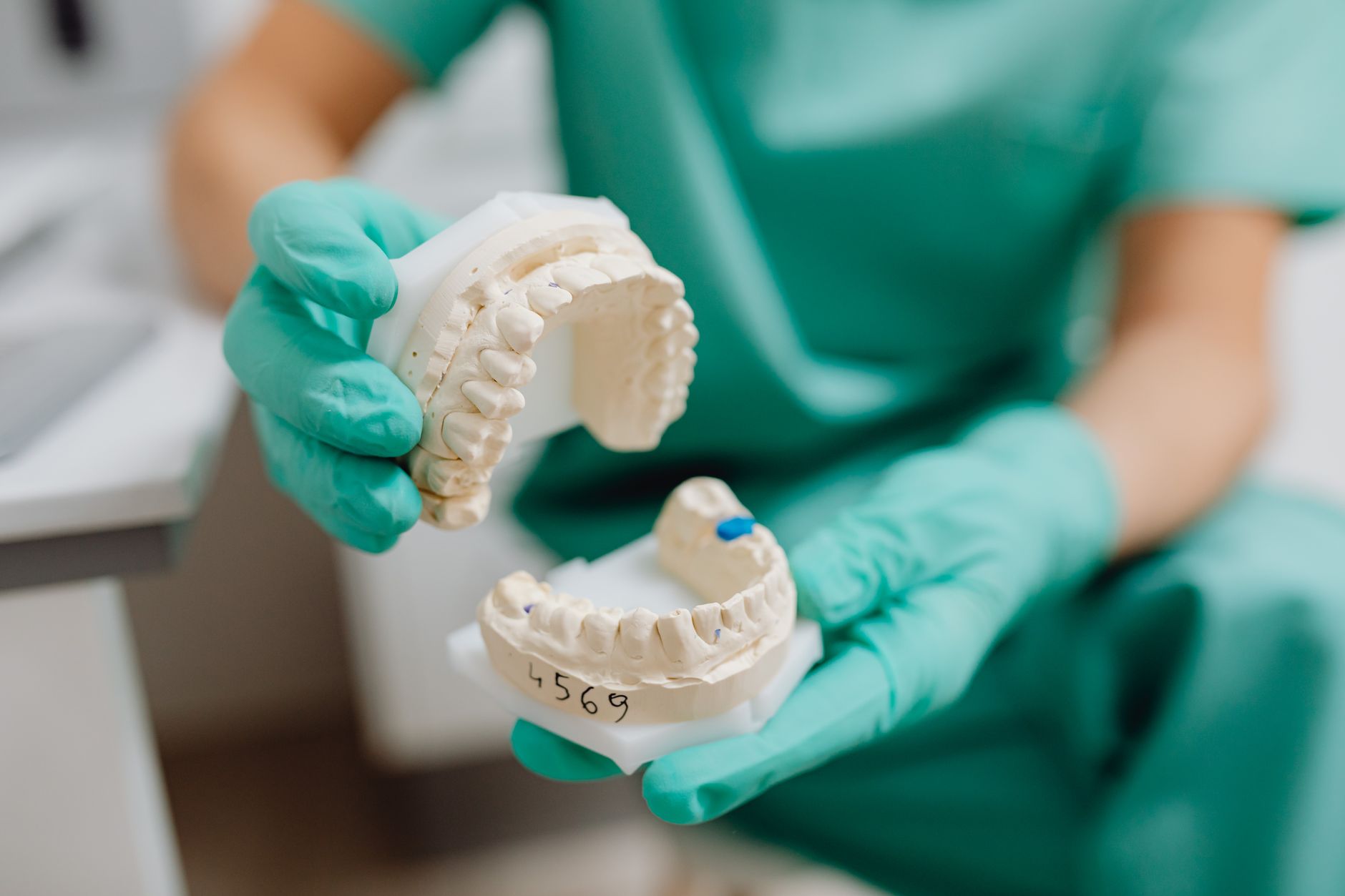
You may be looking into dental implants because a tooth is already gone, or because you know one is failing and you are trying to get ahead of the problem. That usually comes with a mix of hope and worry. If you are considering dental implants in Merced, CA, you want something that feels solid, looks normal, and does not leave you dealing with one more dental setback a few months from now.
The core issue is stability. An implant is not successful just because it is placed well on surgery day. It succeeds when your bone accepts it and bonds to it over time. That process is called oral osseointegration. In plain terms, it is the biological connection between the implant surface and your living bone, and it is the reason an implant can stay firm enough to support chewing, speech, and daily life.
Oral osseointegration is not luck. It depends on bone quality, surgical precision, implant design, healing, and what happens in your mouth after placement. If any part of that chain breaks down, stability can suffer. If the chain holds, the implant can function like a dependable tooth root.
Osseointegration in Dental Implants Starts With Bone Healing
After an implant is placed, your body treats the site like any other healing wound, but with one major job added. Bone cells need to grow right up against the implant surface and attach without a layer of soft tissue getting in the way. Early on, blood fills the small space around the implant, then clotting factors and immune cells begin cleanup. After that, new bone starts forming, remodeling, and strengthening around the titanium surface.
This is why the first weeks matter so much. Too much pressure, uncontrolled inflammation, smoking, untreated gum disease, or poor blood supply can interrupt healing before the bond becomes strong. You might hear the phrase implant stability used in two stages. Primary stability is the mechanical grip the implant has when it is first placed. Secondary stability develops later as bone heals and matures around it. Long term success depends on both.
Research on implant surfaces and healing keeps showing the same pattern. Surface texture, chemistry, and the local immune response all affect how bone forms at the interface. A review in the National Library of Medicine database explains current evidence on the biological events and surface factors involved in osseointegration. Another published review on implant biomaterials and tissue response shows how design and material features influence bone contact and stability.
Implant Stability Can Be Lost When Risk Factors Are Ignored
This is where many people get frustrated. The implant may look simple from the outside, but your body is doing demanding work underneath the gums. If you have low bone density, uncontrolled diabetes, active periodontal disease, or a bite that places too much force on the implant, healing may be slower or less predictable. None of that means failure is certain. It means planning matters more than ever.
You may also be wondering why one person can get an implant and heal quickly while another needs grafting, staged treatment, or longer follow up. Bone volume and bone quality are rarely the same from one patient to the next. The condition of the jaw after tooth loss changes over time. The longer a tooth has been missing, the more likely the bone has shrunk. A broad oral health report from NIDCR also connects oral disease, tooth loss, and access to care with wider health outcomes, which helps explain why replacement decisions often carry more weight than people expect.
Dental implant integration also depends on what happens after surgery. Clenching, poor home care, missed follow ups, and smoking can create the kind of stress that weakens the bond before it matures. A more recent clinical review of implant healing and stability assessment discusses how clinicians measure stability and monitor the healing process over time.
Key Factors That Affect Dental Implant Osseointegration
|
Factor |
Supports Stability |
Raises Risk |
|
Bone quality and volume |
Dense bone and enough width and height for placement |
Bone loss, thin ridge, low density |
|
Gum and periodontal health |
Healthy tissue with low inflammation |
Active gum disease or untreated infection |
|
Medical conditions |
Well managed health and stable healing response |
Uncontrolled diabetes, poor circulation, immune issues |
|
Habits |
No smoking, good home care, soft diet during healing |
Smoking, heavy clenching, poor hygiene |
|
Surgical and restorative planning |
Precise placement and balanced bite forces |
Poor angulation, overload, rushed restoration |
A simple example makes this easier to picture. If two people receive the same implant, but one has healthy bone and follows healing instructions while the other smokes and grinds at night, the biology is not the same. The second implant may still succeed, but it is working against more resistance from day one.
What You Can Do to Improve Implant Success
Get a full risk review before treatment. Ask about bone levels, gum health, bite force, medical conditions, and whether grafting is recommended. A skilled implant dentist should explain not just whether an implant can be placed, but how your case affects the odds of stable healing.
Protect the healing phase seriously. Follow the food, cleaning, and activity instructions exactly. Healing bone is not fully mature just because the soreness fades. If you smoke or vape, cutting back helps, stopping helps more.
Keep the implant healthy after it integrates. Osseointegration is the beginning, not the finish line. Regular cleanings, bite checks, and home care matter because bone can still be lost later if plaque, inflammation, or overload builds up around the implant.
The Biology Behind Implant Stability Is Predictable With Good Planning
When you understand what oral osseointegration is, the process feels less mysterious. Your implant is not just sitting in bone. Your body is actively rebuilding around it, and that bond is what gives the restoration its staying power. Good candidates, careful planning, and steady follow through all support that result.
If you are considering treatment, speak with an implant dentist who can evaluate your bone, your health history, and the healing risks that apply to you. Clear answers at the start can save you from setbacks later.