
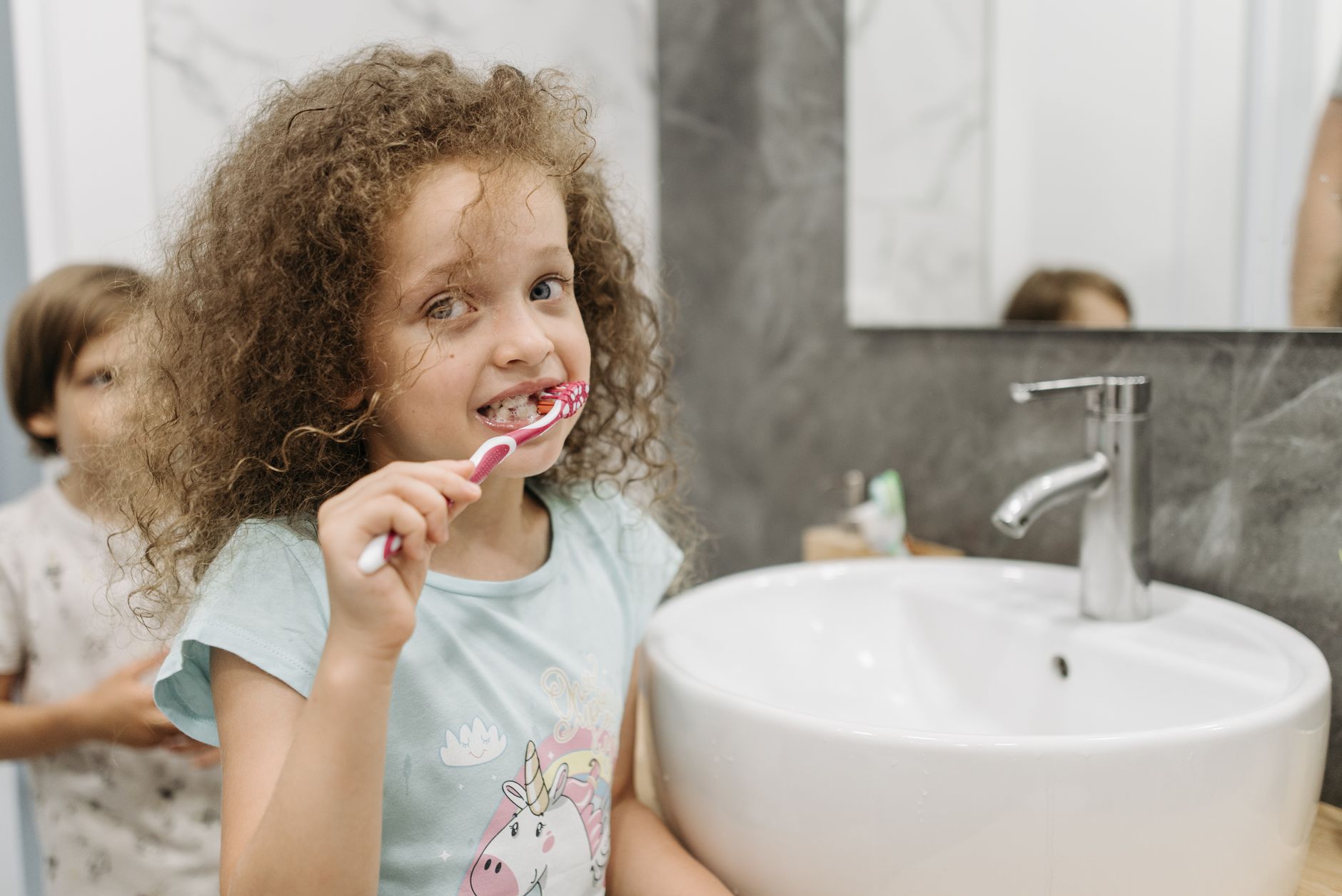
You remind your child to brush, they stall, the toothpaste ends up in the sink, and somehow two minutes feels like an hour. A lot of parents live in that loop. You are not failing if oral care feels harder than it should. Kids push back, routines slip, and dental habits at home often compete with school mornings, bedtime battles, snacks, and plain old exhaustion. Some families even find themselves searching for cosmetic dentistry services in Monterey Park while trying to stay on top of everyday dental care.
The good news is that strong habits usually grow from small, repeatable things you control every day. The goal is not a perfect routine. It is a home rhythm that makes brushing, flossing, and food choices feel normal instead of negotiable. These six parent led practices can help you build that rhythm, lower the stress around teeth, and support the work your family dentist does at checkups.
Children build positive dental habits at home when parents make oral care predictable
Kids do better with routines they can see coming. If brushing happens at random, or only after reminders pile up, it starts to feel optional. When it is tied to the same moments every day, after breakfast and before bed, it becomes part of the structure of life. That matters because young children do not manage dental care well on their own, even when they want to.
The CDC’s oral health tips for children support what many parents already suspect. Children need help brushing well, and cavity prevention starts early. A routine is not just about compliance. It protects teeth before pain, fillings, and costly treatment enter the picture.
Modeling oral care habits gives children a script to follow
Children watch more than they listen. If you ask them to brush while you rush past the sink, they notice. If they see you brush and floss without drama, they absorb the message that this is simply what people do. That quiet modeling works better than long lectures.
This is one of the most effective parent guided dental routines because it lowers resistance. A child who sees a parent brushing is less likely to feel singled out. For younger kids, brushing side by side can also help with technique. You can guide the angle of the brush, remind them to reach the back teeth, and keep them from rushing through the front only.
Snack and drink choices shape oral health long after brushing ends
Many parents focus on brushing and miss what happens between meals. Frequent juice, sticky snacks, crackers that cling to teeth, and constant sipping give cavity causing bacteria more chances to feed. You do not need a perfect kitchen. You do need a pattern that limits long stretches of sugar exposure.
The NIH overview of oral and dental health explains the link between diet and tooth decay clearly. Water between meals helps. Keeping sweets with meals instead of offering them all day helps. Choosing cheese, yogurt, fruit, or crunchy vegetables more often helps. These are not dramatic changes, but they reduce the daily wear on a child’s teeth.
Bedtime routines protect teeth when saliva drops overnight
Night brushing carries extra weight because saliva decreases during sleep. That means food residue and sugars can linger longer. If your child brushes and then has milk, juice, or a snack in bed, the benefit of brushing drops fast. This is where many families get stuck because bedtime is already fragile, and one more rule can feel like too much.
Even so, a clear sequence works. Brush, book, bed. The American Academy of Pediatrics’ Brush, Book, Bed approach is simple for a reason. It gives kids a pattern they can remember and parents a script they do not have to reinvent every night.
Simple systems work better than repeated reminders
If your day sounds like “Did you brush?” repeated six times, the system is doing too much work. Visual cues often work better. A stool at the sink, a toothbrush timer, a chart with morning and night boxes, or floss picks stored where your child can reach them can reduce friction. Children are more likely to follow through when the next step is obvious.
That is the heart of at home dental care for kids. Build the environment so the habit is easier than skipping it. The less energy it takes to begin, the less conflict it tends to create.
Parental oversight matters longer than many families expect
Children often want independence before they have the hand skills to brush well. They may look capable, but they miss the gumline, the back molars, and the inner surfaces. A quick parental check or a second pass can make the difference between a clean mouth and a routine that only looks complete.
That oversight is not micromanaging. It is preventive care. A few extra minutes now can help you avoid pain, missed school, and treatment costs later. Any general dentist will tell you that habits at home usually show up clearly during exams.
Daily parent led habits compared with inconsistent routines
| Home practice | What it looks like | Likely result over time |
| Consistent brushing schedule | Brush after breakfast and before bed every day | Fewer skipped sessions and better plaque control |
| Parent supervision | Adult checks technique or finishes brushing | Cleaner back teeth and gumline, fewer missed spots |
| Snack structure | Sweets with meals, water between meals | Less frequent sugar exposure and lower cavity risk |
| Screen free bedtime sequence | Brush, book, bed with no food after brushing | Stronger nighttime protection for teeth |
| Visual supports | Timer, chart, easy access to supplies | Less conflict and more follow through |
| Inconsistent routine | Brushing depends on reminders, mood, or schedule | More resistance, more plaque, more preventable problems |
Three steps you can start today to improve dental habits at home
Set two anchor times. Pick morning and bedtime and protect those brushing windows. Do not leave them floating. Children adjust faster when the routine stops changing.
Change one food or drink pattern. Start with the easiest win. Replace constant juice sipping with water between meals, or move sweets to mealtime. One steady change often works better than a full food overhaul that lasts three days.
Supervise without turning it into a fight. Brush together, use a timer, then do a quick check. Calm repetition beats pressure. Your child does not need a speech. They need the same expectation every day.
If your home routine has felt messy, that does not mean it is too late. Kids respond to structure, and habits can improve faster than you think when the plan is simple and steady. If you want extra support, schedule a visit with a family dentist and use these six parent led practices to keep the progress going at home.