
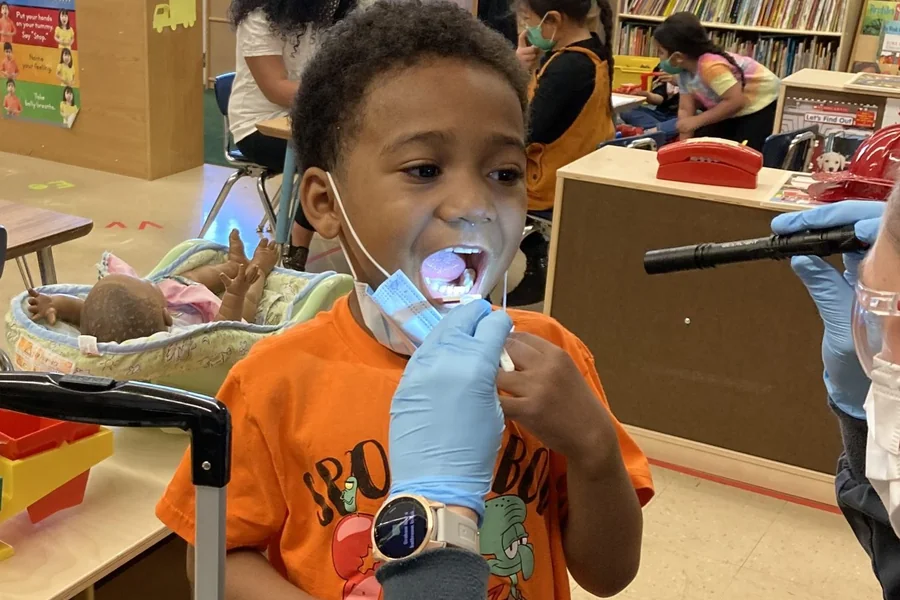
You want your child to stay focused in class, not distracted by tooth pain or infection. Yet many children miss school days because of untreated cavities. Others live with quiet mouth pain that they never mention. School-based dental screenings offer a simple fix. A trained team visits the school. They check each child’s mouth in a few minutes. They spot problems early and help families connect with a regular provider, such as a dentist in Hesperia. This quick check can prevent deep decay, abscesses, and emergency room visits. It also protects learning time. Parents do not need time off work. Children do not miss long blocks of class. Screenings are growing in popularity because they are simple, low-cost, and easy to access. They protect children’s health, support attendance, and give families clear next steps for care.
Why schools care about teeth
Tooth decay is common in children. The Centers for Disease Control and Prevention explains that cavities are one of the most common chronic conditions in childhood. You can see this in every classroom. At least one child is missing school because of mouth pain.
When a child hurts, learning drops. Your child may
- Struggle to eat breakfast or lunch
- Lose sleep at night and feel tired in class
- Act restless or withdrawn to hide pain
Teachers notice behavior. They may not know the cause is a sore tooth. School leaders now see that mouth care is not separate from learning. They treat it as part of student support, just like vision checks and hearing checks.
How school based dental screenings work
School-based screenings follow a clear pattern. This helps parents trust the process.
- You sign a consent form
- The dental team sets up in a classroom or nurse’s office
- Your child opens their mouth for a short visual check
- The team records what they see on a simple form
- You get a note that explains findings and next steps
Screenings do not replace a full dental visit. They do not include shots, drills, or deep cleaning. They only spot signs of trouble. Then they guide you to follow-up care.
Many programs work with local health departments, community clinics, or dental schools. The Health Resources and Services Administration supports school-based health centers in this way.
Why these screenings are growing fast
School-based dental screenings are spreading for three clear reasons. They reduce pain. They protect learning. They save time and money for families and schools.
Parents face real barriers. You may
- Work shifts that do not match office hours
- Lack a ride to a clinic
- Have more than one job and little free time
When the dental team comes to school, these barriers shrink. Your child is already there. You do not lose wages or risk your job to keep an appointment. Your child does not sit in a waiting room for hours.
Schools also gain. They lower the absence rates. They cut short calls home for tooth pain. They show parents that they care about the whole child.
What screenings can catch early
During a school-based screening, the dental team looks for clear warning signs.
- White or brown spots that signal early decay
- Swollen or bleeding gums
- Broken or chipped teeth
- Signs of grinding or injury
- Possible infection, such as swelling or pus
When caught early, many problems need less treatment. A small cavity is easier to fix than a deep one. A sore gum can improve with cleaning help and a change in brushing. Early care means less pain for your child. It also means fewer emergency visits that drain family savings.
How school screenings compare with regular dental visits
Both school screenings and regular dental visits matter. They work best together. The table shows key differences.
| Feature | School Based Dental Screening | Regular Dental Visit
|
|---|---|---|
| Location | At your child’s school | At a dental office or clinic |
| Time per child | About 5 to 10 minutes | About 30 to 60 minutes |
| Type of care | Quick visual check and referral | Full exam, X-rays, cleaning, treatment |
| Cost to family | Often free or low cost | Uses insurance or out-of-pocket payment |
| Time away from class | Very short | Longer absence from class |
| Parent time off work | Usually none | Often needed |
| Stress for nervous children | Lower. Familiar school setting | Higher for some children |
| Follow up care | Referral to a dental office | Treatment can start right away |
Why this matters for your child’s future
Childhood mouth pain can shape how a child sees school. A child who hurts during reading time may start to fear reading. A child who misses days for tooth problems may fall behind and feel ashamed. These memories stay.
School-based dental screenings send a different message. They tell your child that adults watch for silent pain. They show that health and learning belong together. They help your child feel seen and safe.
Over time, strong mouth care builds confidence. Your child speaks up in class. Your child smiles in photos. Your child eats without fear of pain. These are small daily wins that shape hope.
What you can do as a parent or caregiver
You play the central role in your child’s mouth care. School screenings support you. They do not replace you.
You can
- Sign and return consent forms on time
- Read all notes that come home after a screening
- Call the listed dental office if a problem is found
- Keep regular checkups every six months
- Help your child brush twice a day with fluoride toothpaste
- Limit sugary snacks and drinks
If cost or insurance blocks care, tell the school nurse or counselor. Many schools work with community partners who help families find low-cost or no-cost options. Asking for help is an act of strength. It protects your child from avoidable pain.
Why support for these programs matters
When you support school-based dental screenings, you protect more than teeth. You protect learning time. You guard family budgets from sudden medical bills. You ease the quiet suffering that children often hide.
You can speak up at parent meetings. You can respond to school surveys. You can thank the school staff who bring these services to your child’s campus. Your voice helps keep these programs strong. Your action today can spare many children from years of preventable pain.