
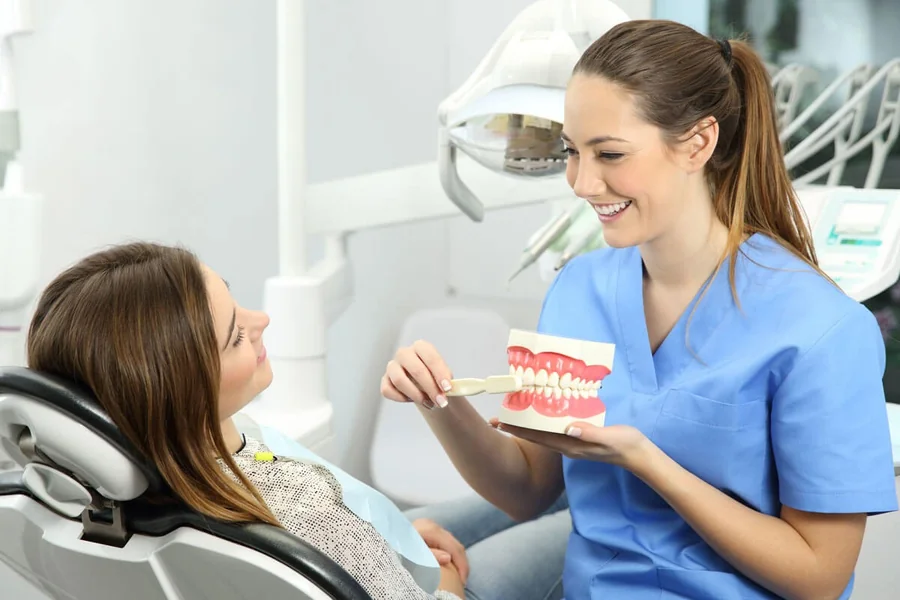
You deserve a mouth that does not hurt, bleed, or keep you awake at night. Preventive visits give you that chance. You might brush and floss every day. However, you still cannot see what hides between teeth, under gums, or beneath old fillings. During a checkup, a dentist in Anchorage, AK uses simple tools and X-rays to spot tiny cracks, weak spots, and early gum disease. These problems often cause no pain at first. Then they grow fast. Regular visits catch trouble while it is small and easy to treat. They also reduce emergency visits, tooth loss, and high bills. You gain clear answers, a plan you understand, and a better sense of control over your health. This blog explains how routine exams, cleanings, and screenings protect you before dental issues escalate.
Why home care is not enough
You can brush twice a day and floss every night. That care matters. It lowers plaque and keeps breath fresh. Yet home care cannot do three things.
- It cannot see under your gums.
- It cannot remove hardened tartar.
- It cannot read early changes on tooth surfaces or bone.
Only a trained eye and proper tools can spot those changes. Cavities, gum disease, and oral cancer often start in quiet ways. You feel nothing. You see nothing in the mirror. By the time you notice pain, the damage is often deep.
What happens during a preventive visit
A preventive visit is simple. It usually includes three parts. Each part works with the others.
- Review and questions. You share changes in your health, medicines, and habits. You also share any tooth sensitivity or bleeding.
- Cleaning. A hygienist removes plaque and tartar. You get polishing and flossing. Gums are checked for swelling and bleeding.
- Exam and X-rays. The dentist checks each tooth, your bite, and soft tissues. X-rays show what eyes cannot see.
The Centers for Disease Control and Prevention explains that regular dental visits support early detection of decay and gum disease and protect overall health.
Problems preventive visits catch early
Preventive visits uncover three common threats before they turn severe.
- Cavities. Early decay looks like faint white spots or shadows. A small filling can fix it. Late decay can reach the nerve. Then you may need root canal treatment or extraction.
- Gum disease. Mild gum disease starts with redness and bleeding. Regular cleanings and better home care can reverse it. Ignored disease can destroy bone and cause tooth loss.
- Oral cancer. A quick screening checks your tongue, cheeks, and throat. Many growths cause no pain at first. Early treatment saves lives.
The National Institute of Dental and Craniofacial Research lists gum disease and tooth decay as common chronic problems.
How early care saves teeth and money
Small problems are cheaper and easier to fix. Large problems are costly and painful. The pattern is simple.
- Tiny cavity. Short visit. Simple filling.
- Deep cavity. Longer visit. Possible crown.
- Infected tooth. Many visits. Root canal or removal.
Gum care follows the same pattern. Early cleaning and guidance cost less than surgery or dentures. You also avoid missed work, missed school, and late night trips for emergencies.
Comparison of early visits and delayed care
The table below shows common outcomes for regular preventive visits compared with delayed or emergency only care. These are general patterns, not personal treatment plans.
| Topic | Regular preventive visits | Delayed or emergency only care
|
|---|---|---|
| Cavities | Found early and fixed with small fillings | Often found late after pain starts and may need large fillings or crowns |
| Gum health | Mild disease treated with cleanings and home care | Higher risk of bone loss and loose teeth |
| Pain episodes | Fewer sudden toothaches | More urgent pain and after hours visits |
| Costs over time | More small bills that are easier to plan | Fewer visits but higher one time costs for major work |
| Tooth loss | Lower risk of losing teeth early | Greater chance of extractions and need for dentures or implants |
| Stress level | More control and clear next steps | More fear and worry about surprises |
How often you should go
Many people do well with a visit every six months. Some need cleanings more often. That group includes people who smoke, have diabetes, or take medicines that dry the mouth. Children may need more frequent fluoride treatments or sealants. You and your dentist can set a schedule that fits your mouth and your life.
Helping children build strong habits
Children learn by watching. When you keep your visits, you show that care matters. You can support your child in three ways.
- Start early. Plan the first visit by age one or when the first tooth appears.
- Use simple words. Say the dentist counts teeth and keeps them strong.
- Stay calm. Your calm voice lowers your child’s fear.
Early visits help a child feel safe in the chair. That comfort can last for life.
What to ask during your visit
You have the right to clear answers. During your next preventive visit, you can ask three key questions.
- What problems do you see starting.
- What can I change at home to slow or stop them.
- What is the plan if we do nothing right now.
Honest answers help you choose. They also turn fear into action.
Taking the next step
Pain often pushes people to act. You do not need to wait for pain. You can call your dentist and schedule a checkup and cleaning now. You can bring a written list of questions and your medicine list. You can ask for plain language. You can also ask for small breaks during treatment if you feel tense.
Preventive visits do more than clean teeth. They protect your mouth, your wallet, and your peace of mind. Regular care catches dental issues before they escalate. That choice gives you more healthy years with your own teeth and fewer nights lost to worry and pain.