
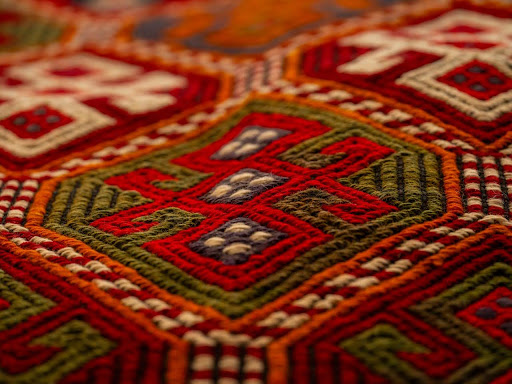
Turkish home décor is a symphony of rich history, vibrant textures, and cozy, inviting tones that have long enchanted design enthusiasts around the globe. With roots in centuries-old traditions and Ottoman artistry, Turkish aesthetics are enjoying a revival in contemporary homes, offering a blend of comfort, culture, and character. As the design world increasingly embraces global influences, Turkish-style interiors stand out for their ability to make any space feel soulful, grounded, and luxurious.
A Fusion of Cultures and History
Turkish interior design is inherently eclectic. Positioned at the crossroads of Europe and Asia, Turkey’s culture—and by extension, its décor—draws from a rich tapestry of influences: Persian opulence, Mediterranean warmth, Central Asian geometry, and Islamic artistry. This fusion gives Turkish interiors a depth that transcends time and trends.
Ottoman palaces, Anatolian villages, and coastal homes along the Aegean and Mediterranean all contribute to the nation’s diverse aesthetic. Whether it’s the ornate tiles of Istanbul or the rustic charm of Cappadocia, Turkish home décor captures the essence of its geography and cultural legacy.
The Warmth of Earthy Color Palettes
One of the most defining elements of Turkish interiors is the color scheme. Warm, earthy tones dominate—think terracotta, ochre, burnt sienna, soft beige, and rich browns. These hues reflect the natural landscape of Turkey: sunbaked hills, clay rooftops, and golden sands.
To balance this grounded palette, Turkish designs often incorporate pops of deep turquoise, indigo, and crimson—colors reminiscent of Iznik ceramics and traditional Turkish carpets. These accents not only provide visual interest but also pay homage to ancient craftsmanship.
Whether used on walls, upholstery, or decorative accessories, warm tones create a sense of intimacy and serenity—perfect for cultivating a relaxing, homey atmosphere.
The Power of Woven Textures
If color is the soul of Turkish décor, texture is its heartbeat. Woven elements are central to the aesthetic, from intricate kilim rugs to hand-loomed throw pillows and textured poufs. These tactile layers introduce dimension and cultural richness, transforming even the most minimalist spaces into warm, inviting environments.
Kilim Rugs are particularly iconic. Flat-woven using traditional methods, these rugs feature bold geometric patterns and often carry symbolic meanings, representing themes like fertility, protection, and prosperity. They are not just floor coverings but heirloom-quality pieces of art.
Beyond rugs, Turkish homes frequently feature woven baskets, wall hangings, and textiles in natural materials like wool, cotton, and linen. These handcrafted items showcase regional artisanship while offering sustainable, timeless beauty.
Architectural Details that Tell a Story
Architecture plays a significant role in Turkish home aesthetics. Traditional homes often include elements like arched doorways, ornate wooden screens, and domed ceilings. While not always feasible in modern builds, these features inspire contemporary adaptations.
For example, curved furniture edges, rounded mirrors, and arch-mimicking wall alcoves can echo this architectural softness. Wooden beams, carved moldings, and decorative cornices also nod to traditional craftsmanship and provide a layered, storied atmosphere.
Even in modern urban apartments, Turkish design can be integrated through the clever use of patterns and symmetry that mimic these historic structures.
Intricate Patterns and Traditional Motifs
Pattern is everywhere in Turkish décor—tiles, textiles, pottery, and even ceilings. Motifs often include floral vines, arabesques, and stars, rooted in Islamic art and Anatolian symbolism.
Iznik tiles—famous for their vibrant blue-and-white floral designs—are perhaps the most recognized. Originally used to decorate mosques and palaces, these tiles now grace kitchens, bathrooms, and entryways in homes worldwide.
Additionally, beautiful Turkish mosaic lamps, with their colorful stained-glass shards, add a glowing burst of color and craftsmanship. Suspended over dining tables or tucked into reading corners, they offer both function and ornate beauty.
The mix of repeated patterns and detailed motifs adds a dynamic energy that contrasts beautifully with the more subdued, warm color palette, achieving a balanced and visually captivating effect.
The Emphasis on Comfort and Hospitality
In Turkish culture, the home is a place of welcome and warmth—values that shine through in the design choices. Floor seating with layered cushions, low tables for tea, and communal gathering spaces all reflect the importance of togetherness.
A Turkish-inspired home is rarely rigid or overly formal. Instead, it invites relaxation. Soft lighting, scented candles, and the ever-present tray of tea or Turkish coffee signal hospitality and comfort.
Textiles play a central role in this coziness. Soft throws, embroidered linens, and plush cushions make any room feel inviting. The overall mood is relaxed yet refined—exactly what many homeowners seek in their personal sanctuaries.
Blending Traditional with Contemporary
While traditional Turkish homes are brimming with antique elements, today’s designers are finding ways to blend old and new seamlessly. Modern Turkish décor might feature clean-lined furniture paired with a vintage kilim or minimalist walls adorned with ornate wall art.
This marriage of past and present allows homeowners to honor cultural heritage without sacrificing modern aesthetics. For example, a sleek Scandinavian-style sofa can be elevated with handwoven Turkish textiles, or an industrial loft can soften its edges with mosaic lighting and ceramic accents.
The versatility of Turkish design makes it particularly attractive in today’s globalized décor market. It adapts well to various styles—from bohemian and rustic to contemporary and even minimalist—offering a worldly depth that few other aesthetics can match.
Sourcing Authentic Turkish Elements
For those looking to incorporate Turkish elements into their home, sourcing from ethical, artisan-based producers is key. Turkish bazaars, local craftsmen, and online marketplaces that support traditional artisanship offer authentic and often handmade goods.
Look for items like:
- Kilim or suzani textiles
- Hand-painted ceramics or bowls
- Turkish towels (peshtemals)
- Copper or brass trays
- Carved wooden furniture or boxes
- Turkish mosaic lamps
- Leather poufs
Each item tells a story and adds a layer of history and meaning to your space.
Turkish home aesthetics go far beyond surface beauty. They are rooted in culture, hospitality, and a deep appreciation for craftsmanship. By integrating warm tones, woven textures, and symbolic patterns, this style invites us to slow down, connect, and live with intention.
Whether you’re completely redesigning your home or simply adding a few decorative touches, the Turkish approach to décor offers endless inspiration. It’s more than just a look—it’s a feeling of welcome, warmth, and wonder.