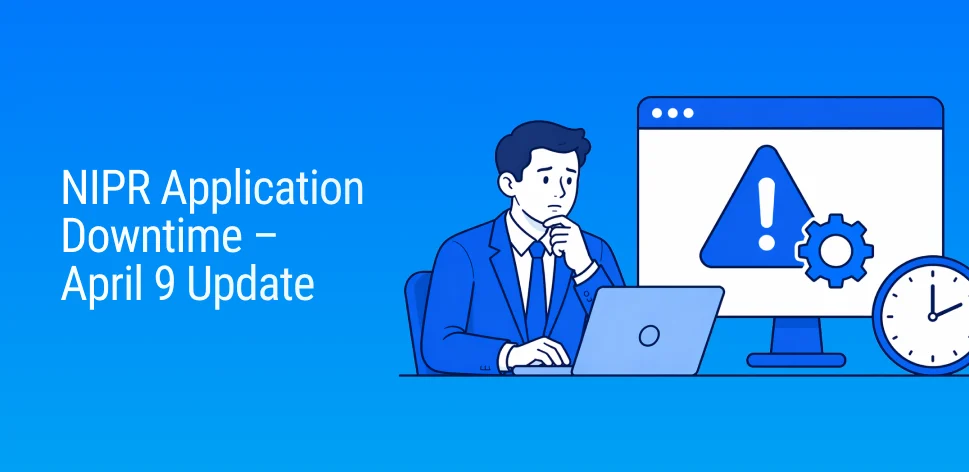
In modern insurance operations, system availability plays a direct role in maintaining compliance. The temporary outage of the National Insurance Producer Registry (NIPR), as outlined in this NIPR downtime overview, highlights how dependent the industry is on centralized licensing infrastructure. Insurance agencies, carriers, and MGAs must prepare for such interruptions to avoid workflow disruption and compliance gaps.
Understanding the Role of NIPR in Insurance Compliance
NIPR is a centralized platform used across the United States insurance industry to manage producer licensing transactions. It supports license applications, renewals, and regulatory updates across multiple states.Insurance compliance refers to adhering to state-specific regulatory requirements. Since licensing is a legal requirement, any disruption in NIPR services directly affects compliance processes.Many insurance organizations rely on platforms like Agenzee to integrate NIPR data into their compliance workflows.
What Happens During an NIPR Downtime Event?
When NIPR becomes unavailable, several operational challenges arise:
- License applications cannot be processed
- Renewal submissions are delayed
- Producer data synchronization is interrupted
- Carrier appointment workflows are paused
These disruptions create bottlenecks in producer onboarding and compliance tracking.For example, a producer code cannot be assigned until licensing verification is complete. This dependency increases operational risk.

Compliance Risks Associated with System Downtime
Compliance teams often face challenges during system outages. Even a short downtime can create cascading effects:
- Delayed license approvals
- Incomplete appointment tracking
- Increased manual workload
- Risk of non-compliance with state regulations
Inactive or unverified producer records can lead to regulatory violations.
Industry guidelines require carriers to ensure that producers are properly licensed before conducting business.
How Insurance Organizations Can Prepare
Preparation is essential for minimizing the impact of downtime. Many insurance organizations use compliance software like Agenzee to maintain operational continuity.
Best practices include:
- Pre-verification of licenses before downtime
- Maintaining internal records for producer tracking
- Automating workflows using compliance platforms
- Monitoring renewal timelines proactively
A centralized license tracking system helps maintain visibility even when external systems are unavailable.
Role of Automation in Reducing Downtime Impact
Insurance automation platforms play a critical role in mitigating risk. Agenzee, as an insurance compliance software, supports:
- Producer licensing management
- Carrier appointment tracking
- Producer code management
- Compliance reporting
Automation ensures that internal workflows continue even when NIPR is temporarily unavailable.
Many carriers today rely on compliance automation to reduce dependency on manual processes.
Maintaining Workflow Continuity in Regulated Environments
In regulated environments, maintaining accurate records is essential. A structured workflow typically includes:
- Verify license status
- Check appointment eligibility
- Assign producer code
- Sync compliance data
- Track renewals
- Generate compliance reports
When NIPR is down, internal systems must compensate for this gap.
Conclusion
The April 9 NIPR downtime serves as a reminder of the importance of operational readiness in the insurance industry. Compliance teams must adopt proactive strategies and leverage automation tools like Agenzee to maintain continuity.Downtime is unavoidable, but its impact can be minimized through preparation, automation, and structured compliance management