
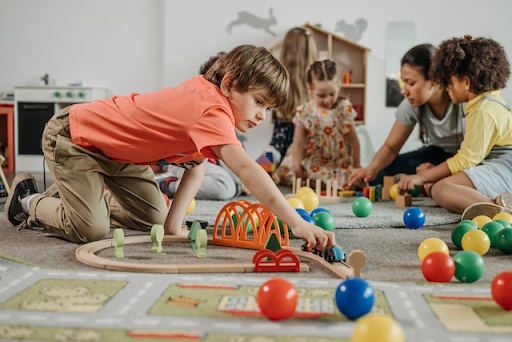
Play is one of the most effective ways to support a child’s development, combining fun with meaningful learning experiences. Educational toys play a key role in shaping cognitive, emotional, and physical growth by encouraging curiosity and creativity. From infancy to pre-teen years, selecting the right educational toys can enhance problem-solving skills, improve coordination, and build confidence. A thoughtful approach to playtime ensures that each stage of childhood is supported with tools designed to match learning abilities and interests. This guide explores the best educational toys for every age and offers practical insights into making the right choices.
Why Educational Toys Matter in Child Development
Educational toys are designed to stimulate learning while keeping children engaged. These toys help in:
- Developing critical thinking and problem-solving skills
- Enhancing fine and gross motor abilities
- Encouraging creativity and imagination
- Improving social and communication skills
By integrating play with education, children gain knowledge in a natural and enjoyable way.
Educational Toys for Infants (0–12 Months)
At this stage, sensory development is the main focus. Infants respond well to toys that stimulate sight, sound, and touch.
Best Options
- Soft toys with different textures
- Rattles and musical toys
- High-contrast visual cards
- Activity gyms
Key Benefits
- Improves sensory awareness
- Encourages early motor skills
- Builds curiosity through exploration
Safe and colorful toys are essential during this phase to keep infants engaged without overwhelming senses.
Educational Toys for Toddlers (1–3 Years)
Toddlers are naturally curious and active. Educational toys at this stage should focus on exploration and basic skill-building.
Recommended Toys
- Shape sorters
- Stacking blocks
- Simple puzzles
- Push-and-pull toys
Learning Outcomes
- Enhances hand-eye coordination
- Introduces basic problem-solving
- Encourages independent play
Interactive toys that involve movement and touch are ideal for toddlers, helping to develop both physical and cognitive skills.
Educational Toys for Preschoolers (3–5 Years)
Preschoolers begin to develop stronger communication and imagination skills. Educational toys should support creativity and early learning concepts.
Ideal Choices
- Alphabet and number toys
- Building blocks and construction sets
- Art and craft kits
- Pretend play sets
Development Focus
- Strengthens language and communication
- Encourages creativity and storytelling
- Introduces early math and literacy skills
Toys that allow role-playing or creative expression are highly effective in this stage.
Educational Toys for School-Age Children (6–10 Years)
Children in this age group benefit from toys that challenge thinking and encourage learning through experimentation.
Top Picks
- Science kits
- Strategy board games
- STEM-based construction toys
- Educational puzzles
Key Advantages
- Improves logical thinking
- Builds problem-solving abilities
- Encourages teamwork and social interaction
Toys that involve challenges and creativity help maintain interest while enhancing learning.
How to Choose the Right Educational Toys
Selecting the right educational toys requires careful consideration. A structured approach ensures better results.
Consider Age Appropriateness
Toys should match the child’s developmental stage. Overly complex toys may cause frustration, while overly simple ones may lead to boredom.
Focus on Learning Value
Choose toys that offer clear developmental benefits such as skill-building, creativity, or problem-solving.
Prioritize Safety
Ensure toys are made from safe materials, with no sharp edges or small parts that could pose risks.
Encourage Engagement
Interactive toys that require participation are more effective in promoting learning.
Balance Fun and Education
A toy should be enjoyable while also offering learning opportunities. A balanced approach ensures sustained interest.
Tips for Maximizing Learning Through Play
Making the most of educational toys involves more than just selection. The way toys are used also matters.
Rotate Toys Regularly
Keeping a variety of toys in rotation maintains interest and prevents boredom.
Encourage Open-Ended Play
Toys that allow multiple uses promote creativity and imagination.
Create a Learning Environment
A dedicated play area with organized toys can enhance focus and engagement.
Support Independent Play
Allowing children to explore toys independently builds confidence and problem-solving skills.
Common Mistakes to Avoid
Avoiding certain mistakes can improve the effectiveness of educational toys.
- Choosing toys based only on trends rather than learning value
- Overloading with too many toys at once
- Ignoring age recommendations
- Focusing only on digital toys and neglecting physical play
A balanced and thoughtful approach ensures better developmental outcomes.
Why Bachaa Party is a Trusted Choice for Educational Toys
Bachaa Party has established a strong reputation for offering a wide range of high-quality educational toys suitable for every age group. The focus remains on combining fun with meaningful learning, ensuring that children benefit from both entertainment and skill development. A diverse collection allows easy access to toys that support cognitive growth, creativity, and physical activity. Each product is carefully selected to meet safety standards and developmental needs, making it easier for parents to choose the right options. Bachaa Party continues to provide reliable solutions that make learning through play both effective and enjoyable for growing children.