
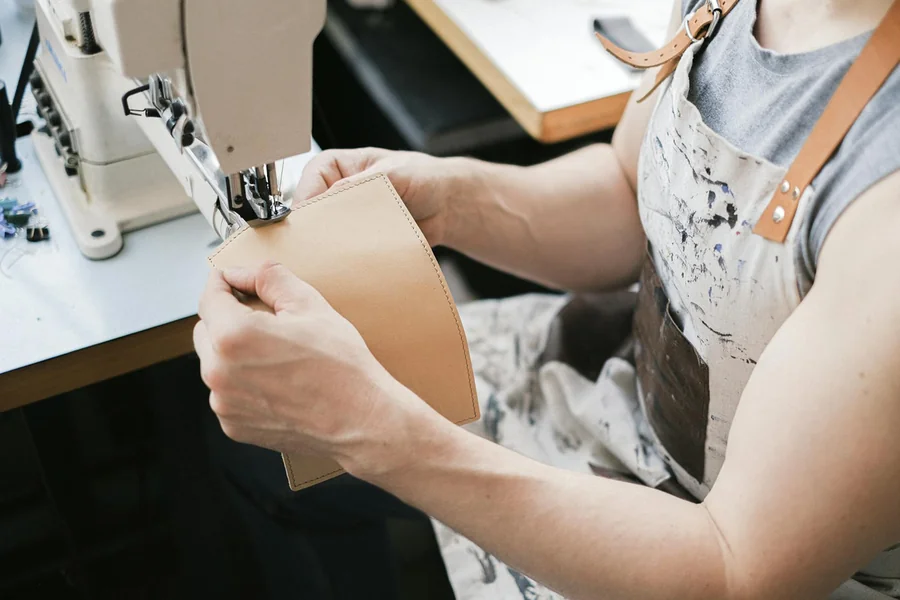
When most people think about sewing, they picture clothing, fashion, or maybe even home projects. But in reality, sewing—particularly industrial sewing—is at the heart of countless industries. From cars to furniture to safety equipment, industrial sewing machines quietly play a crucial role in creating the products we use every day. Unlike household sewing machines, which are designed for lighter tasks, industrial machines are built to handle thicker materials, higher speeds, and heavy-duty production demands.
With the help of Atlantic Automation Co., a global supplier of industrial sewing machines, let’s explore the surprising range of products that rely on industrial sewing in their manufacture, and how sewing processes are involved.
-
Automotive and Transportation Upholstery
Industrial sewing machines are indispensable in the automotive industry. Seats, headrests, steering wheel covers, door panels, and even airbags all require precise stitching.
- Automotive upholstery uses durable fabrics, vinyl, and leather, stitched together with heavy-duty threads. The seams not only hold the materials together but also contribute to comfort and appearance.
- Airbags, for example, require specialized sewing techniques to ensure the seams are strong enough to stay intact but designed to split open safely during deployment.
- Industrial double-needle and programmable machines make these complex stitching tasks possible at scale.
-
Furniture and Home Goods
Your living room sofa or office chair likely owes its strength and design to industrial sewing.
- Upholstered furniture requires durable stitching to join fabric, padding, and support materials.
- Decorative stitching enhances style while reinforcing seams.
- Beyond furniture, home goods like mattresses, cushions, and curtains depend on robust industrial sewing for both function and finish.
In these cases, sewing combines aesthetic craftsmanship with long-lasting durability.
-
Outdoor Gear and Sporting Goods
From the trail to the ocean, many products designed for outdoor use require rugged seams to withstand stress, weather, and wear.
- Tents, backpacks, and sleeping bags are sewn from nylon, polyester, or canvas, with reinforced stitching to endure tough conditions.
- Sporting goods, such as baseballs, footballs, and boxing gloves, are stitched together using specialized machines that handle curved seams and dense materials.
- Water-resistant stitching techniques are used for gear like sails, kayaks, and marine covers.
Without industrial sewing, much of our outdoor adventure equipment wouldn’t survive the first test of real-world use.
-
Safety and Protective Equipment
Industrial sewing machines are also central to products designed to keep us safe.
- Protective clothing such as firefighter suits, bulletproof vests, and industrial workwear rely on advanced stitching to hold together layers of flame-retardant or ballistic materials.
- Harnesses, seatbelts, and parachutes must withstand extreme tension and stress. Precision sewing ensures strength and reliability where failure is not an option.
Here, sewing isn’t just about durability—it’s about saving lives.
-
Footwear and Fashion Accessories
Shoes, belts, and handbags may be stylish, but they’re also engineered with functionality in mind.
- Shoes involve multiple layers of fabric, leather, and reinforcement stitched with industrial machines capable of handling curves and thick soles.
- Bags and belts use decorative and structural stitching to combine aesthetics with long-term wear resistance.
These products showcase the artistry of sewing alongside its practical value.
-
Industrial and Commercial Textiles
Some of the largest and toughest sewing projects involve products few of us think about:
- Tarpaulins, conveyor belts, industrial covers, and awnings all require specialized stitching to join heavy-duty fabrics.
- Even medical textiles—such as hospital beds, stretchers, and certain types of wound-care products—rely on precision sewing to ensure functionality and hygiene.
These items often require custom-built industrial machines capable of handling oversized or ultra-thick materials.
Why Sewing Matters in Manufacturing
Sewing in an industrial context isn’t just about joining fabric; it’s about strength, safety, and efficiency. The choice of machine, thread, and stitch type all influence the performance of the final product. In many cases, the stitching is designed to withstand years of use, high tension, or even life-or-death situations.
Industrial sewing machines enable manufacturers to:
- Work with heavy fabrics like leather, canvas, and technical textiles.
- Automate complex patterns for speed and consistency.
- Ensure every seam meets strict safety and quality standards.
Final Thoughts
From the car you drive to the chair you sit in, and from the clothes you wear to the gear you rely on outdoors, industrial sewing machines are quietly shaping modern life. Their strength, precision, and versatility allow manufacturers across multiple industries to create products that are not only functional but also safe, stylish, and durable.
The next time you fasten your seatbelt, lace up your shoes, or relax on a sofa, take a moment to appreciate the unseen stitching that makes it all possible.