

A confident, straight smile is often the result of months, or even years of orthodontic treatment. Braces, aligners, and other corrective methods work meticulously to move teeth into their ideal positions. However, the journey doesn’t end once the appliances are removed. Teeth naturally tend to shift over time, and without proper retention, the results of all your effort can gradually reverse. This is where retainers play a vital role. Used correctly, they safeguard alignment, preserve bite function, and maintain a healthy, aesthetic smile. Among orthodontic professionals, dual retention using both fixed and removable retainers is increasingly regarded as the gold standard.
Why Retention Matters
After braces or aligners are removed, teeth remain unstable as surrounding ligaments, bone, and gums adapt to their new positions. Without a retention plan, teeth can gradually shift back, a process called orthodontic relapse, which can impact bite function, jaw stability, and oral health. A professional orthodontist Wolverhampton creates a personalised plan considering initial misalignment, bite type, oral hygiene, and lifestyle. This tailored approach ensures long-term stability, preserves orthodontic results, and minimises the risk of future dental complications.
Key points:
- Retention preserves bite alignment and jaw stability.
- Teeth have a “memory” and can shift without consistent support.
- Regular use of retainers safeguards your orthodontic investment.
Proper retention forms the foundation for a lifelong, healthy, and confident smile.
Understanding Fixed Retainers
Fixed retainers are thin, custom-made wires bonded to the back of the teeth, most commonly on the lower front teeth. They remain in place long-term, offering continuous support without requiring daily attention from the patient.
Advantages:
- Constant retention: Works 24/7 without removal.
- Invisible design: Hidden behind teeth, maintaining natural aesthetics.
- Effortless consistency: No risk of forgetting to wear it.
Limitations:
- Cleaning challenges: Plaque and tartar can accumulate around the wire.
- Potential damage: Wires can loosen or break and require professional repair.
If a fixed retainer breaks or causes discomfort, an emergency dentist in Wolverhampton can provide prompt assistance. Regular dental reviews are also essential to ensure that the wire remains secure and gums stay healthy. Fixed retainers are particularly beneficial for teeth prone to shifting, as they provide continuous support that works silently in the background.
Understanding Removable Retainers
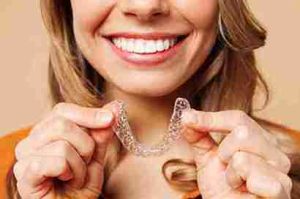
Removable retainers come in two main styles: Hawley retainers and Essix retainers. Both are custom-fitted and designed to maintain teeth alignment after active orthodontic treatment.
| Type | Description | Benefits |
| Hawley Retainer | Made of acrylic and a metal wire | Durable, adjustable, allows natural bite contact |
| Essix Retainer | Clear plastic tray | Virtually invisible, comfortable, easy to wear at night |
Advantages:
- Easy to clean and maintain.
- Can be removed for eating or special occasions.
- Provides flexibility for patient comfort.
Limitations:
- Requires consistent wear; discipline is essential.
- Can be misplaced, damaged, or warped if not stored correctly.
A skilled orthodontist Wolverhampton typically recommends wearing removable retainers full-time for the first few months, gradually transitioning to night-time wear. This phased approach ensures that teeth and surrounding tissues stabilise gradually while allowing for comfort and convenience.
Dual Retention: Combining Fixed and Removable
While fixed and removable retainers are effective individually, using them together, known as dual retention, offers the most reliable long-term results.
Benefits of Dual Retention:
- Fixed retainers stabilise lower teeth continuously.
- Removable retainers support upper teeth and maintain bite alignment.
- Reduces relapse risk due to missed wear or neglect.
Patients who discontinue removable retainers prematurely may experience unwanted tooth movement, often requiring corrective treatment. In such cases, an emergency dentist in Wolverhampton may need to address shifting teeth or fit replacements. Dual retention mitigates these risks, offering stability, convenience, and peace of mind.
Tips for Long-Term Retainer Success
Orthodontists recommend the following strategies to maintain effective retention:
- Follow the prescribed wear schedule precisely.
- Maintain rigorous cleaning routines for both fixed and removable retainers.
- Attend regular dental check-ups to monitor fit and condition.
- Avoid biting into hard, sticky, or crunchy foods that could damage retainers.
- Store removable retainers in their protective case when not in use.
- Replace retainers immediately if cracked, warped, or ill-fitting.
- Seek professional guidance promptly for any discomfort or issues.
Following these simple steps ensures your retainers function as intended and protects the investment you’ve made in achieving a straight, healthy smile.
Common Mistakes and How to Avoid Them
Even minor lapses in retainer care can compromise results. Some common mistakes include:
- Skipping retainer wear after braces or aligners.
- Ignoring oral hygiene around fixed retainers.
- Delaying repair or replacement of broken or lost retainers.
- Assuming teeth won’t shift as you age.
Orthodontists emphasise that consistent use and diligent care are far more important than occasional lapses. Neglecting these responsibilities can result in relapse, requiring further corrective measures.
Lifestyle Habits That Impact Retention
Daily habits play a significant role in how well retainers function. Simple lifestyle adjustments can help maximise retainer effectiveness and maintain long-term alignment.
Tips:
- Avoid chewing pens, ice, or other hard objects that can damage retainers.
- Limit sugary and sticky foods that may compromise oral hygiene.
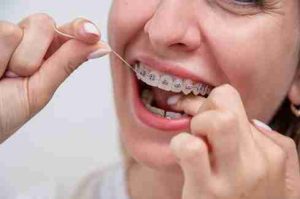
- Brush and floss carefully to prevent plaque buildup around fixed wires.
- Always store removable retainers safely to avoid accidental damage or loss.
Integrating these habits into your daily routine ensures that both types of retainers continue to work effectively.
Long-Term Benefits of Dual Retention
Maintaining consistent retainer use offers numerous advantages:
- Stable alignment: Teeth remain in corrected positions for decades.
- Relapse prevention: Reduces the likelihood of needing future treatment.
- Improved oral hygiene: Straight teeth are easier to clean, reducing the risk of decay and gum issues.
- Confidence: Maintains a flawless, confident smile for life.
Proper retention not only protects the results of orthodontic treatment but also supports long-term oral health and self-esteem.
Conclusion
Dual retention is essential for preserving the hard work of orthodontic treatment. Fixed and removable retainers each provide unique benefits, and when used correctly, individually or together, they ensure teeth remain perfectly aligned. Success depends on consistent wear, good hygiene, and regular check-ups. With professional guidance and support from Wolverhampton, patients can enjoy a stable, confident, and beautifully maintained smile for life. Following orthodontist advice and caring for retainers transforms months of treatment into a lifelong investment in oral health and aesthetics.