
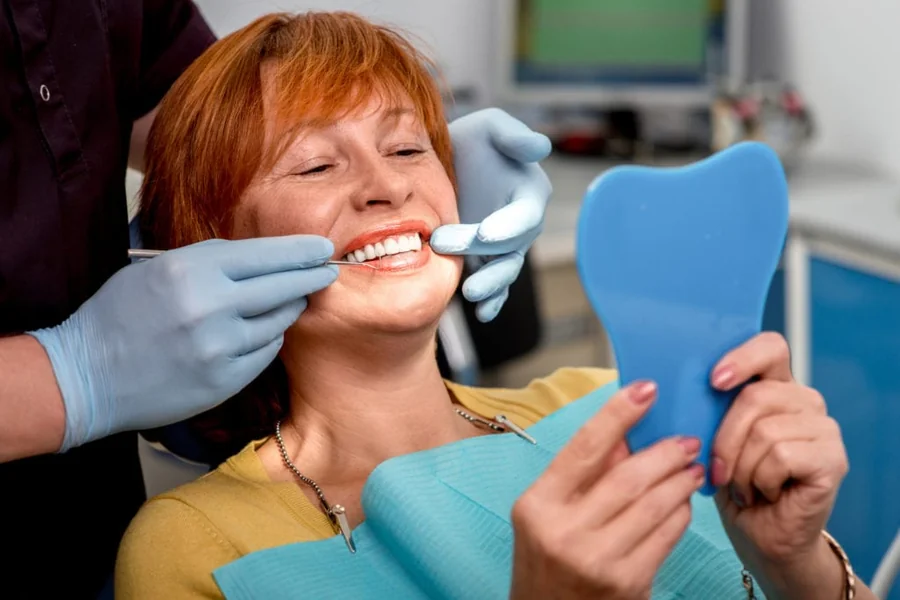
Modern care gives you options when you lose teeth. You do not have to settle for loose dentures or avoid certain foods. Today, denture and implant specialists help you eat, speak, and smile with more control and comfort. They study how your jaw, gums, and bite work together. Then they match you with the treatment that fits your mouth and your life. Some people need full dentures. Others need partial dentures. Many choose implants that feel closer to natural teeth. A Fresno implant dentist can place implants and also work with denture experts to build strong, stable teeth on top. Together, they plan your care, watch healing, and adjust your new teeth so they last longer. This team approach protects your mouth, supports your health, and gives you clear choices at every step.
Why Missing Teeth Affect More Than Your Smile
Tooth loss is common for adults. It can come from decay, gum disease, injury, or long delays in care. You might notice gaps in your smile first. Soon you may also notice other changes.
- You chew on one side to avoid pain.
- You pick soft food and skip meat, nuts, or raw fruit.
- You cover your mouth when you laugh or talk.
Then your jawbone can shrink where teeth are missing. Your face can look sunken. Your speech can change. Your risk of other health problems can rise if you cannot eat a steady diet. This is why replacing missing teeth is not only about looks. It is about daily function and long term health.
What Denture And Implant Specialists Do For You
Denture and implant specialists focus on three goals. You should be able to chew. You should be able to speak clearly. You should feel at ease in social settings.
First, they listen. You explain what you can and cannot eat. You share if you feel pain or shame. You talk about your budget and schedule.
Second, they measure. They take X rays, scans, and molds of your mouth. They check bone height and gum health. They look at how your teeth fit when you bite.
Third, they plan. They walk through choices like full dentures, partial dentures, or implants. They help you weigh healing time, cleaning needs, and cost. Then they build a step by step plan that feels realistic.
You are part of each decision. Nothing moves forward without your clear consent and understanding.
Dentures And Implants: A Simple Comparison
Dentures and implants both replace missing teeth. They do it in very different ways. Dentures sit on top of your gums. Implants sit inside the bone where the tooth root used to be.
| Feature | Modern Dentures | Dental Implants
|
|---|---|---|
| How they stay in place | Rest on gums, sometimes with adhesive | Titanium posts fuse with jawbone |
| Bone support | No direct bone support | Help keep bone from shrinking |
| Chewing strength | Lower than natural teeth | Closer to natural teeth |
| Cleaning routine | Remove and clean outside your mouth | Brush and floss like natural teeth |
| Typical use | Full or partial replacement | Single tooth, bridge, or full arch |
| Surgery needed | No | Yes |
This table is a guide. It does not replace a personal exam. Your health, bone level, and goals decide which option makes the most sense.
When Dentures Make Sense
Dentures can be a strong choice when you want a non surgical option. They can also help when bone is thin or many teeth are gone.
You might choose dentures if you:
- Need most or all teeth replaced
- Have health issues that make surgery unsafe
- Need a lower cost option in the near term
Modern dentures fit better than older versions. Specialists adjust pressure points and smooth rough spots. They can line the inside for more comfort. They can also remake dentures when your mouth shape changes.
The Centers for Disease Control and Prevention shares data on tooth loss and denture use in adults. You can see patterns by age and state at CDC Oral Health Data. This can help you see that you are not alone in facing these choices.
When Implants Make Sense
Dental implants act like new roots. A small metal post is placed in the bone. Over time the bone grows around it. Then a crown, bridge, or denture locks on to that post.
You might choose implants if you:
- Have enough healthy bone
- Do not smoke or are willing to quit
- Want teeth that feel more fixed
Implants can support one tooth or a full set. Some people use four to six implants to support a full denture. This can stop slipping and rubbing. It can also help protect the bone that shapes your face.
The National Institute of Dental and Craniofacial Research shares clear facts about tooth loss and options for treatment at NIDCR Tooth Loss Information. You can use this source to prepare questions for your visit.
The Team Behind Your New Smile
Modern care often uses a team. You may see a general dentist, a denture specialist, an implant surgeon, and a lab team that makes your teeth. Each person focuses on one part of your care.
You can expect three main stages.
- Planning. You get exams, images, and a clear written plan.
- Treatment. Teeth are removed if needed. Impressions or scans are taken. Surgery is done if you choose implants.
- Follow up. Adjustments are made. Sore spots are treated. Cleaning steps are reinforced.
You should leave each visit with simple written steps. You should know how to clean your teeth, what to eat, and when to call.
How To Prepare For Your Appointment
You can take three steps before you meet a denture or implant specialist.
- Write your main goals. For example, chew steak, eat apples, or speak without a lisp.
- List your medicines and health conditions. This includes blood thinners, heart issues, and diabetes.
- Bring past X rays if you have them. This can save time and reduce repeat images.
During the visit, ask direct questions.
- What are my choices today
- What are the risks and limits for each choice
- What will this cost over five to ten years
You deserve clear answers in plain language. You also deserve time to think before you decide.
Taking The Next Step With Confidence
Missing teeth do not have to control what you eat or how you speak. Denture and implant specialists offer real tools to restore function and calm. You bring your history and your goals. They bring skill and planning.
With the right team, you can move from hiding your smile to using your teeth with trust each day. You can protect your health, ease strain on your jaw, and feel more at peace when you look in the mirror.