
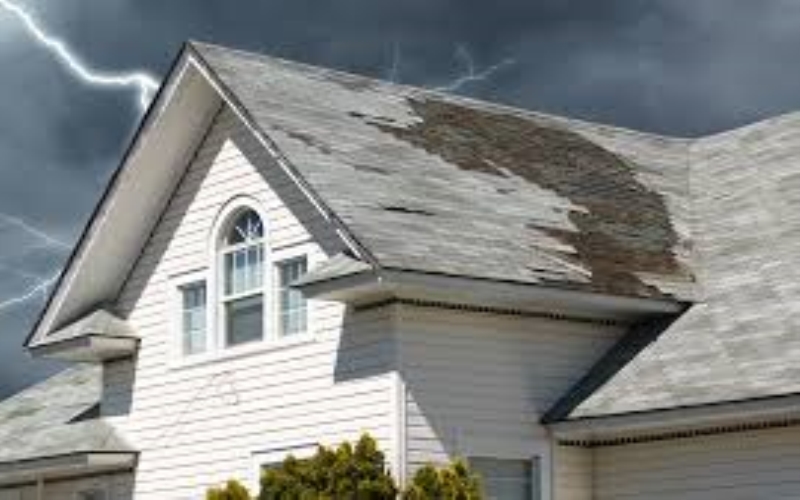
After a storm, ensuring your roof is in good condition is critical in protecting your home. Storms often bring heavy winds, rain, hail, or even debris that can compromise a roof’s integrity. Knowing how to assess potential damage effectively can save you from more significant problems down the road. Here’s a guide to help you inspect your roof after a storm and determine the next steps.
Start With a Ground-Level Inspection
The first step in assessing post-storm roof damage is to check for visible issues from the ground. Look for shingles that appear to be missing, curled, or cracked. Keep an eye out for pieces of roofing material that may have blown off and landed in your yard. If you notice any sagging sections or large dents on the roof, these are clear signs of damage that may need immediate attention. Inspecting the area for fallen branches or debris is crucial, as impacts can cause hidden roof damage. Check roof edges for less obvious signs of structural issues.
Inspect the Gutters and Downspouts
Gutters often provide clues about roof damage after a storm. Examine your gutters and downspouts for granules or other roofing materials. A high volume of granules can indicate that your shingles have experienced significant wear and tear. Additionally, check for clogs caused by leaves, twigs, or other storm debris. Blocked gutters can exacerbate water damage by allowing rain to pool near your home’s foundation.
Check for Interior Signs of Damage
Sometimes, roof damage is more apparent inside the home than outside. Walk through your attic or upper floors and look for signs of leaks or water stains on the ceiling or walls. These could be the result of damaged shingles, underlayment, or flashing.
Musty odors or mold growth may indicate water intrusion from roof damage. Professional inspections ensure thorough assessments, as interior signs can reveal more severe issues than clogged gutters alone.
Professional Roof Inspections for Peace of Mind
For a comprehensive assessment, it’s wise to call a professional roofing contractor. Experts are trained to identify issues that may not be visible to the untrained eye. They can evaluate the roof’s structural integrity, check for hidden damage, and recommend appropriate repairs or replacements.
Scheduling a professional inspection after major storms can help homeowners address small issues before they become costly problems. It’s especially beneficial if you plan to file an insurance claim, as detailed reports from professionals can support your case. Once you’ve identified possible roof damage, documenting it correctly can streamline insurance claims.
Document the Damage for Insurance Purposes
If you spot roof damage, take photos of the affected areas from multiple angles. Include images of the exterior and any interior water damage. This documentation can be crucial when filing an insurance claim. Accurate and detailed evidence ensures that the claims process goes more smoothly and increases the likelihood of receiving adequate compensation.
Keep receipts for temporary repairs like tarping or sealing leaks, as these costs may be reimbursed. Act quickly, as delaying repairs can cause further damage that insurance might not cover. Regular maintenance is essential.
Assessing post-storm roof damage is not just about addressing current issues; it’s also about prevention. Regularly maintaining your roof and addressing minor wear can help it withstand severe weather in the future. Cleaning gutters, trimming overhanging branches, and scheduling routine inspections are practical ways to extend the lifespan of your roof and avoid costly repairs. Storms can be unpredictable, but taking the time to evaluate your roof after each event ensures your home remains a safe and secure place for you and your family. By staying vigilant and proactive, you can protect your investment and enjoy greater peace of mind.