
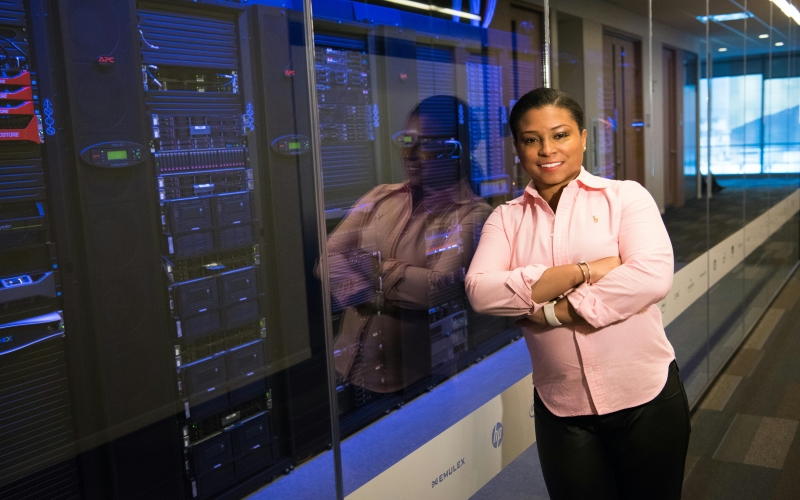
The digital revolution has reshaped every industry, presenting new opportunities and challenges to those seeking to advance their careers. Technology is a driving factor influencing skill requirements, job responsibilities, and career routes; it’s not just a tool. Managing your professional development in this fast-paced environment requires adaptability, a willingness to learn, and a strategic mindset. Embracing the changes and always improving your abilities will help you to present yourself as a valuable asset ready to meet demanding tasks and attain long-term professional success.
Embrace Lifelong Learning to Stay Relevant
Maintaining competitiveness in the technologically advanced era requires a lifetime of learning and dedication. Industries are always changing, hence, depending just on your current skill set can quickly leave you behind. Embracing new learning possibilities helps you stay informed about the latest trends and tools. Investing in your education keeps you flexible and ready for new employment requirements, whether it involves enrolling in online courses, going to seminars, or obtaining certifications. Emphasizing in-demand competencies such as cybersecurity, cloud computing, or data analytics will help you greatly advance your career. In a fast-changing employment environment, lifelong learning guarantees that you stay a relevant and competent professional.
Diversify Your Skill Set for Greater Flexibility
The modern job market values adaptability and diversifying your skill set can increase your appeal to potential employers. Having a wide spectrum of competencies helps you to move between roles and sectors in the technologically driven world of today. Consider expanding your skill set to include programming, as coding has become a valuable asset in a variety of fields. Learning C++ programming, for instance, can create opportunities in systems programming, game design, and software development. This flexible language is often used for developing sophisticated apps; hence, it is a great addition to your technical toolset. Diverse skill sets help you to be a more flexible candidate able to manage a range of jobs and projects.
Leverage Technology to Build Your Professional Network
While developing your career has always mostly depended on building a strong professional network, Technology has made it simpler than ever to interact with people in your field of work. Online sites such as LinkedIn, trade-specific forums, and virtual conferences provide opportunities to interact with peers, mentors, and potential employers worldwide. Engaging in online forums lets you share your expertise and learn from others while staying updated on the latest business trends. Digital networking also provides access to remote employment prospects and cooperative projects that might not have been accessible otherwise. Engaging your professional network actively helps you establish significant relationships that can promote the development of your career.
Adapt to Remote and Hybrid Work Environments
The traditional workplace has changed with the rise of remote and hybrid work, and career advancement depends on adjusting to this new normal. For many jobs, today’s baseline is being competent in digital communication tools and project management software. Strong self-management abilities and the ability to work remotely successfully from a distance are requirements of remote employment. Learning these skills demonstrates your versatility and preparedness for flexible work schedules, making you a valuable asset to employers who are embracing hybrid models. Remote work also lets you access employment prospects beyond your local area, therefore giving you a wider range of career options to explore. Embracing this change and improving your capacity for remote work will greatly increase your career prospects.
Stay Informed About Emerging Technologies and Trends
Professional development depends on staying informed about new tools and trends in a fast-changing technology scene. Monitoring developments, including artificial intelligence, blockchain, and machine learning, will help you predict changes in your sector and modify your professional development strategy. Many businesses are looking for employees who understand and can apply these innovations to increase business success. Continuous learning, attending industry conferences, and subscribing to relevant publications are all effective ways to stay current. Being proactive in learning new technologies and grasping their possible uses in your field of work will help you to project forward-looking professionalism, eager to lead and innovate in your sector.
Conclusion
Navigating job advancement in the age of Technology calls for a proactive approach, an eagerness to learn, and a flexible attitude. You position yourself for success in a tech-driven world by embracing lifelong learning, diversifying your abilities, developing a strong professional network, adjusting to new work situations, and staying informed about emerging trends. To flourish in this terrain, one must be adaptable and receptive to change, seeing every new obstacle as an opportunity for personal development. With the right strategy and a commitment to continuous improvement, you can build a career that is both resilient and exciting.