
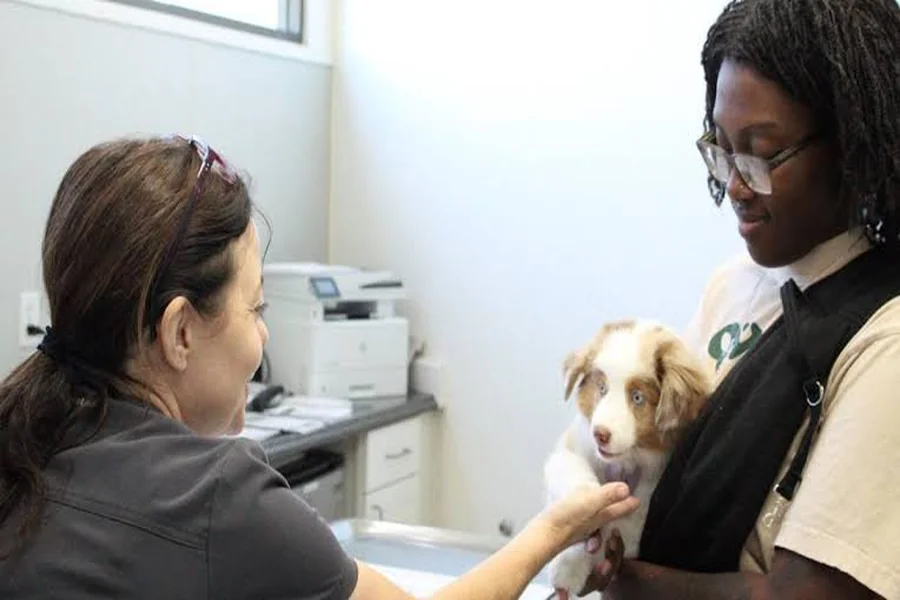
You want more pets to make it out of shelters and into stable homes, but adoption does not end when someone signs a form and carries a leash to the car. That is usually where the hard part starts. New adopters worry about cost, behavior, vaccines, parasites, and whether they are already missing something serious. Shelters feel that pressure too. They are trying to move animals into homes safely, quickly, and with enough medical support to keep returns low. This is where animal clinics matter most, especially a clinic offering both routine and advanced pet treatments. They give adoption programs medical structure, practical trust, and a better chance that a placement becomes a lasting match.
The role of animal clinics in supporting pet adoption programs is not limited to checkups. A veterinary clinic helps shelters and rescue groups screen animals, treat illness, prevent outbreaks, guide adopters, and create follow up care that keeps pets in homes. When that support is missing, small problems turn into expensive ones, and excited adopters can feel overwhelmed fast.
Animal clinics give pet adoption programs a safer medical foundation
A shelter or rescue can do many things well and still struggle without consistent veterinary support. Animals often arrive with unknown histories. Some were never vaccinated. Some have untreated skin disease, dental pain, heartworm, intestinal parasites, or injuries that were ignored for too long. A pet may look calm in a kennel and then shut down from pain once the stress drops. If an adoption group cannot identify and manage those issues early, the burden lands on the adopter.
That is where a veterinary clinic changes the outcome. Pre adoption exams, vaccination protocols, spay and neuter coordination, diagnostic testing, and treatment plans reduce the odds that a family brings home a pet with hidden medical needs they were not prepared to handle. That protects the animal, and it protects trust. If someone adopts a dog on Saturday and faces an emergency bill on Monday, the emotional damage is real. They may feel guilty for hesitating, angry at the rescue, and scared they made the wrong choice.
Clinic partnerships also help shelters manage population health. Infectious disease spreads fast in group housing. Upper respiratory illness in cats, kennel cough in dogs, and parasites can move through a facility before symptoms are obvious. Programs built with veterinary input can isolate sick animals sooner, set treatment standards, and reduce suffering across the whole shelter. The University of Wisconsin Shelter Medicine Program shows how medical systems in shelter settings support both individual animals and broader adoption success.
Veterinary support reduces returns and helps adopters stay committed
Most adopters are not looking for perfection. They are looking for a fair start. If they know a pet has been examined, vaccinated, treated, and clearly documented, they can prepare. That preparation matters more than people think.
A new cat owner may be fine managing a mild ear infection if they know about it before adoption and have a treatment plan. The same owner may panic if the cat starts shaking its head on day three and no one mentioned a thing. A family adopting a senior dog may gladly take on arthritis care if the clinic has already explained medication costs, mobility needs, and what decline might look like. The problem is rarely the existence of a medical issue. The problem is surprise.
Animal clinic support for adoption programs also creates a bridge after placement. Some clinics offer post adoption exams, discounted first visits, vaccine boosters, or direct communication with rescue partners. That follow through gives adopters a place to ask the questions they are embarrassed to ask the shelter. Is this cough normal. Why is the dog not eating. Do these worms mean we made a mistake. Early guidance keeps normal adjustment issues from turning into surrender.
Community models show how strong these partnerships can be. Tufts’ partnership with community groups to ready pets for adoption reflects a simple truth. When clinics and adoption organizations work together, more animals become adoptable and more families feel able to say yes.
Veterinary clinic partnerships improve adoption outcomes in practical ways
Good intentions alone do not keep pets healthy or housed. Clear systems do. A rescue group with no regular clinic partner may spend days calling around for appointments, paying higher urgent care prices, and making case by case decisions without enough medical guidance. A group with a reliable veterinary clinic can move faster, document better, and offer adopters more confidence.
| Adoption Program Need | Without Clinic Partnership | With Veterinary Clinic Support |
|---|---|---|
| Pre adoption exam | Inconsistent screening, missed issues | Standardized exams and records |
| Vaccines and parasite control | Delayed care, higher disease risk | Routine protocols and better prevention |
| Spay and neuter scheduling | Long waits, delayed placement | Faster processing and clearer timelines |
| Adopter education | Mixed advice, avoidable confusion | Accurate guidance on care and cost |
| Post adoption support | More returns when problems show up | Early intervention and stronger retention |
This is also where a veterinary clinic serves the wider community. Better adoption support reduces overcrowding, lowers disease spread, and helps rescues use limited funds more wisely. Every prevented return opens one more space for the next animal waiting.
Clear steps strengthen clinic and shelter collaboration
Build a shared medical protocol. Shelters, rescues, and clinics need written standards for exams, vaccines, testing, parasite treatment, and disclosure. That reduces confusion and keeps each animal from being handled like a separate exception.
Create a post adoption care pathway. Offer adopters a first exam window, a contact point for urgent questions, and a summary of expected costs. People cope better when they know what comes next.
Track returns tied to medical issues. If pets are coming back because of untreated conditions, unclear records, or surprise expenses, the pattern will show up. That data helps adoption groups and clinics fix the right problem instead of guessing.
Stronger adoption programs start with stronger clinical support
If you care about successful adoptions, medical support cannot be an afterthought. It shapes trust, readiness, and whether a new home holds when the first problem appears. Animal clinics help pets become adoptable, help families feel prepared, and help shelters avoid preventable setbacks. When that support is steady, more animals leave with a real chance to stay gone for the right reason. Reach out to a trusted veterinary clinic to build or strengthen your adoption partnership.