
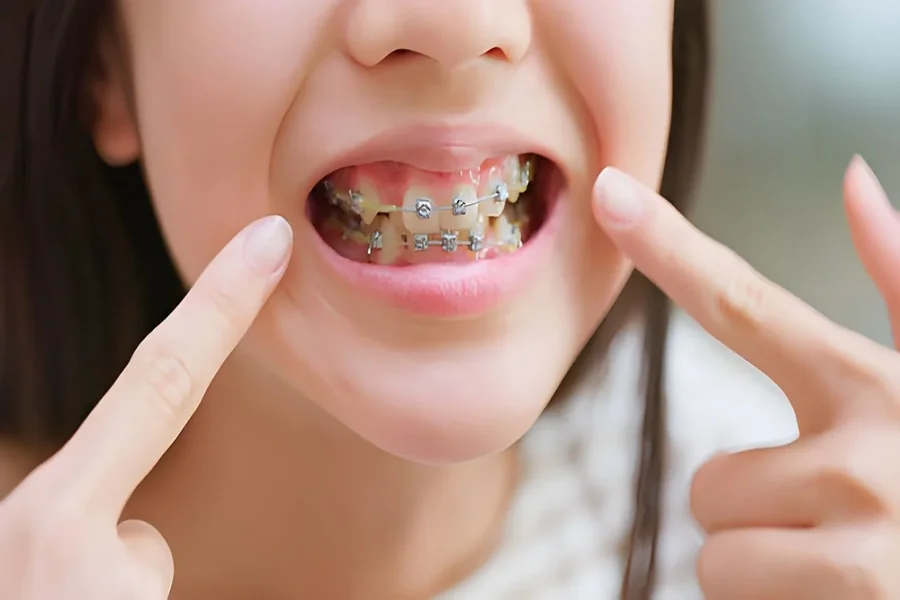
You might be looking at your child’s smile and thinking, “Everything looks fine, so do we really need another dental visit already?” Or maybe you have been told to see a pediatric dentist and orthodontist for a “mixed dentition checkup,” and you are wondering what that even means, and whether it is worth the time, money, and worry. That’s where early orthodontic evaluations in Mt. Kisco can provide clarity and peace of mind.
This in-between stage, when your child has a mix of baby teeth and permanent teeth, can feel confusing. Things change fast. One tooth is loose, another comes in behind it, the bite looks crooked, and you are not sure what is normal and what is a red flag. It can be stressful because you do not want to overreact, but you really do not want to miss something important either.
The short version is this. These mixed dentition visits are not about “selling braces early.” They are about quietly steering growth, keeping options open, and catching problems while they are still easy to guide. A good pediatric dentist or orthodontist uses these visits to protect your child’s future smile and bite, not rush into treatment. That is why these “in between teeth” checkups matter so much more than they may appear on the calendar.
What exactly is mixed dentition, and why does it feel so chaotic?
Mixed dentition is the transition period when baby teeth and adult teeth share space in your child’s mouth. It usually starts around age 6, when the first permanent molars and front teeth appear, and continues until around age 12 or 13.
During this time, you might notice gaps one month and crowding the next. A tooth may come in behind a baby tooth that has not fallen out yet. The lower front teeth may lean inward or outward. The bite may look different every few months. It can be hard to know if things are “on track” or going sideways.
Because of this constant change, you might wonder whether it is better to just wait until all the permanent teeth are in before seeing an orthodontist. That thought is very common. The problem is that some issues are much easier to guide while your child is growing than after everything has settled in place.
What can go wrong if mixed dentition checkups are skipped?
The worry is not that missing one visit will ruin your child’s teeth. The deeper concern is that small problems can quietly turn into bigger, more expensive ones when no one is watching the pattern over time.
For example, imagine your 7-year-old has a crossbite, where an upper tooth bites inside a lower tooth. It might not hurt, so it is easy to ignore. Over the years, that crossbite can shift the jaw position, create uneven wear, and even affect facial growth. If it is caught early, a simple appliance can guide the jaw into a healthier position. If it is missed, it may require more complex treatment later.
Or consider crowding. At age 8, your child’s teeth might look only a little tight. By 11, the permanent canines may have no easy path to come in. In some cases, they can become impacted in the bone. Early guidance, including removing certain baby teeth at the right time or using limited orthodontic treatment, can create space and prevent that impaction.
Financially, early checkups with a pediatric dentist and orthodontist are often short, relatively low-cost visits that focus on monitoring growth, preventive care, and simple interventions. Without that early guidance, you may face longer, more involved, and more expensive treatment later, sometimes including extractions or even jaw surgery in severe cases.
Emotionally, children who are seen regularly during mixed dentition tend to feel more comfortable and trusting in the dental chair. They get used to the environment, the people, and the process. That calm familiarity makes any future treatment easier for them and for you.
How do professionals decide what is “normal” and what needs attention?
It can help to know that pediatric dentists and orthodontists do not just rely on a quick glance. They follow structured guidelines and research-based recommendations for timing and frequency of visits.
The American Academy of Pediatric Dentistry publishes detailed guidance on management of the developing dentition and occlusion in pediatric dentistry. These recommendations help clinicians decide when to watch and when to act. They cover things like crowding, spacing, missing teeth, extra teeth, bite problems, and habits such as thumb sucking.
There are also clear guidelines around how often children should be examined. The AAPD’s policy on periodic dental examinations and preventive services for children emphasizes regular checkups, often every 6 months, but tailored to a child’s specific risk and needs. During mixed dentition, those regular visits become an early warning system.
So, where does that leave you as a parent or caregiver who is trying to make smart choices without overdoing it?
Are mixed dentition checkups really worth it compared to “wait and see”?
To make this easier to picture, it helps to compare two common approaches. One is staying consistent with mixed dentition checkups during the in-between years. The other is postponing orthodontic evaluation until all the adult teeth have come in.
| APPROACH | WHAT IT LOOKS LIKE IN REAL LIFE | POTENTIAL BENEFITS | POSSIBLE DRAWBACKS |
| Regular mixed dentition visits | Dental checkups every 6 to 12 months, early orthodontic evaluation around age 7, occasional X-rays to track growing teeth, simple early steps if needed. | Earlier detection of bite and growth issues. More chances to guide jaw development. May shorten or simplify braces later. Often prevents certain problems from becoming severe. | More frequent appointments on your calendar. Some small costs earlier in childhood. Occasional short-term appliances or minor procedures. |
| “Wait until all adult teeth are in” | Routine cleanings only, no focused orthodontic checks until age 12 to 13 or later, treatment decisions made after all permanent teeth erupt. | Fewer appointments in the early years. All treatment decisions are made at once when the full picture is visible. | Less chance to guide growth. Some problems may become more complex. Higher risk of needing extractions or longer, more intensive orthodontic treatment. Fewer options if jaw growth is already finished. |
Many families find a middle path. They keep steady pediatric dental visits and add an early orthodontic evaluation around age 7. From there, the specialist may simply watch growth every 6 to 12 months without starting any treatment right away. The goal is to know what is coming, not to jump into braces too soon.
What can you do now to protect your child’s “in between” smile?
Once you understand how important these years are, the next question is simple. What should you actually do next, starting today?
Schedule a growth-focused checkup, not just a cleaning
If it has been more than 6 to 12 months since your child’s last visit, book a checkup with a pediatric dentist or a family dentist who is comfortable with children. When you schedule, say that you want them to look not only at cavities, but also at how the teeth and jaws are growing.
Ask directly whether an early orthodontic evaluation is recommended. In many cases, a pediatric dentist and orthodontist will work together. That shared view helps you avoid both over-treatment and under-treatment.
Pay attention to early warning signs at home
You do not need to diagnose anything yourself, but you can notice patterns and bring them up at appointments. Watch for things like front teeth that do not meet, teeth that hit in a clearly off-center way, upper teeth that bite inside the lower teeth, mouth breathing most of the time, long-term thumb or finger sucking, or permanent teeth that seem stuck or not appearing on one side when they have on the other.
If something makes you uneasy, write it down and mention it. You are not being dramatic. You are giving your child’s dental team useful information.
Focus on daily habits that support healthy growth
Even the best mixed dentition orthodontic checkups cannot replace steady daily care. Help your child brush twice a day with fluoride toothpaste and floss once a day. Limit constant snacking and sugary drinks. Encourage nose breathing and a lips-together rest posture if possible. Support your child in dropping habits like thumb sucking or prolonged pacifier use, ideally by age 3 to 4, or with guidance if it continues longer.
These small habits reduce the risk of cavities, gum problems, and certain bite issues. They make any future orthodontic treatment more effective and more comfortable.
Moving forward with more confidence about your child’s mixed dentition years
You do not need to be an expert in dental growth to protect your child’s smile. You only need to stay engaged, keep regular visits, and ask questions when something does not feel right. Mixed dentition checkups are simply structured chances to do exactly that.
Those “in between teeth” visits are where small course corrections happen. They are where your child’s comfort, confidence, and long-term oral health are quietly shaped. By choosing steady care with a trusted pediatric dentist and orthodontist, you are giving your child more than straight teeth. You are giving them an easier path through a stage that can otherwise feel confusing and uncertain.
You do not have to figure everything out at once. Start with the next appointment. Bring your questions. Ask about growth, not just cavities. From there, you and your child’s dental team can plan each step together, one visit at a time.