
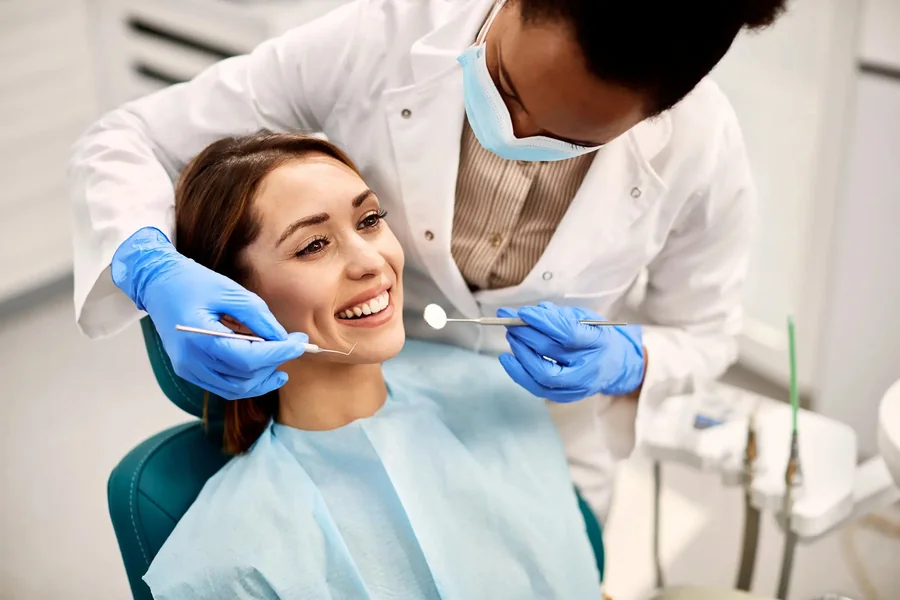
You brush your teeth every day, you buy a “good” toothpaste, and you try to floss when you remember. Yet something still feels off. Maybe your gums bleed, your breath worries you, or your dentist keeps finding “just one more” cavity. You might even feel a bit embarrassed, because you thought you were doing everything right. That’s why it’s worth considering comprehensive oral care in Asheville, NC to address the underlying issues and restore your confidence.
If that sounds familiar, you are not alone. Many people have a basic routine that worked fine in their twenties, then suddenly, in a different season of life, it is not enough. Hormones shift, stress increases, medications change, and your mouth quietly keeps the score. Because of this, you might wonder whether your habits are actually protecting your teeth and gums, or simply slowing down the damage.
The short answer is reassuring. When you know the warning signs and upgrade your routine in a thoughtful way, you can usually turn things around. You can reduce gum inflammation, cut down on cavities, and keep your smile stronger for years. This is what dentists look for when they say it is time to improve your daily care.
What are the warning signs your oral care routine is not working anymore?
Think of your current routine as an old lock. It worked for a long time, then one day it starts sticking. You can still jiggle the key and get the door open, but it is slower, harder, and eventually it will fail. Your mouth gives you similar early warnings when your routine cannot keep up with plaque, bacteria, and lifestyle changes.
Here are five signs dentists watch for when they suggest you should upgrade your oral hygiene routine, or at least rethink the basics.
- Your gums bleed, look puffy, or feel tender
A little pink in the sink is common, but it is not “normal.” Bleeding or swollen gums are early signs of gingivitis, which is the first stage of gum disease. According to the CDC, untreated gum disease can progress to periodontitis, which can lead to bone loss and even tooth loss over time. You can read more about this in the CDC’s overview of gum and periodontal disease.
What if you tell yourself, “My gums just bleed because I floss hard,” and ignore it for a few years. That same light bleeding can slowly turn into receding gums, bad breath, and teeth that feel slightly loose. By the time it starts to hurt, the damage is harder and more expensive to repair. Dentists see this pattern every day, which is why they take even minor bleeding seriously.
- You are dealing with constant bad breath
Morning breath after sleep is expected. Persistent bad breath during the day is not. It often points to plaque buildup under the gums, bacteria on the tongue, or dry mouth from medications or mouth breathing. You may notice people taking a small step back when you talk, or you find yourself chewing gum constantly to try to mask it.
Bad breath is not just a social problem. It is a signal that bacteria are thriving in places your current routine is not reaching. This is usually a sign to upgrade how long and how carefully you brush, to add tongue cleaning, and sometimes to see a general dentist for a deeper cleaning.
- You keep getting new cavities, even though you brush
Many people are blindsided when their dentist says, “You have three new cavities,” especially if they brush twice a day. This often means the routine is missing key pieces. Maybe you are not using fluoride, maybe you skip flossing more often than you admit, or maybe you snack on sugary drinks or foods throughout the day.
If you simply accept “I just have bad teeth,” you might end up in a cycle of fillings, crowns, and root canals, which carries a real financial and emotional cost. Instead, this is a clear sign that your routine needs an upgrade, not just more drilling.
- Your teeth feel sensitive to hot, cold, or sweets
Sensitivity can come from worn enamel, gum recession, whitening products, or clenching and grinding. If you feel a sharp twinge when sipping iced water or a warm drink, your teeth are telling you they are under stress. An outdated toothbrush, aggressive brushing style, or abrasive toothpaste can slowly wear away enamel or irritate the gum line.
Ignoring this discomfort does not make it go away. It usually worsens. Upgrading your routine might mean using a softer brush, a toothpaste designed for sensitivity, and a gentler brushing technique. Sometimes it also means getting a professional opinion to rule out cracks or hidden decay.
- Your dentist keeps “watching” areas or recommending deeper cleanings
When a general dentist says they are “watching” a spot between teeth, or they recommend a deep cleaning instead of a standard one, they are quietly telling you that your daily care is not fully keeping up. They see plaque and tartar in places that your brush and floss are missing.
You may feel discouraged at this point. You work hard, yet you hear the same warnings every visit. That frustration is valid. It is also the moment where a few specific upgrades can change the story for the next 5 or 10 years.
How do simple habits and tools change your oral health future?
Once you recognize these signs, the next question is obvious. What can you actually change without turning your life upside down or spending a fortune on gadgets?
First, it helps to know what “good” oral hygiene looks like from a dentist’s point of view. The National Institute of Dental and Craniofacial Research explains the basics of everyday oral hygiene in clear terms. In plain language, it comes down to three things. Remove soft plaque every day. Strengthen enamel with fluoride. Avoid habits that constantly feed bacteria, like sipping sugary drinks all afternoon.
Where most people struggle is not knowledge. It is consistency and technique. For example, you might own a decent toothbrush but replace it once a year instead of every 3 or 4 months. You might “brush for two minutes” but actually stop after 40 seconds. You might floss once a week and assume it is enough. These small gaps add up.
This is why dentists often recommend upgrading your routine rather than just “trying harder.” Better tools and clearer habits can make good care feel easier, not harder.
What do dentists recommend when comparing common oral care choices?
You do not need every fancy device on the market to improve your oral hygiene routine. A few thoughtful changes often make the biggest difference. The table below compares some common choices patients ask about, along with what dentists usually see in real life.
| Choice | What It Looks Like Day To Day | Pros | Cons / Watchouts
|
|---|---|---|---|
| Manual toothbrush vs electric toothbrush | Manual relies on your hand motion. Electric provides powered brushing with a built in timer in many models. | Electric often removes more plaque with less effort and helps with consistency. | Manual can work well if you use good technique and brush long enough. Electric costs more upfront. |
| Floss vs water flosser | Floss physically scrapes between teeth. Water flosser uses a jet of water to flush out debris. | Water flossers can be easier for people with braces or arthritis. Floss is cheap and very effective when used correctly. | Water flossers do not replace floss for everyone. They add cost and take counter space. |
| Basic brushing vs upgraded 2x/day + floss + tongue cleaning | Quick brush once a day versus a consistent morning and night routine with floss and tongue cleaner. | Upgraded routine greatly reduces plaque, bleeding gums, and bad breath over time. | Takes a few extra minutes and some initial effort to build the habit. |
| Skipping checkups vs regular professional cleanings | Waiting until pain appears versus twice yearly cleanings and exams. | Regular visits catch problems early and remove hardened tartar you cannot remove at home. | Skipping visits often leads to bigger, more expensive treatments later. |
If you are unsure about toothbrush options, the American Dental Association has clear guidance on choosing and using toothbrushes. Even a small change like using a soft bristle brush and replacing it on time can protect your gums and enamel.
What immediate steps can you take to upgrade your oral hygiene routine?
Knowing the signs is helpful. Acting on them is what protects your teeth and gums. Here are three concrete steps you can start today if you recognize any of the warning signals above. These will strengthen any oral hygiene routine, whether you have dental issues already or want to prevent them.
- Reset your daily basics with a simple 4 step routine
For the next two weeks, treat your mouth like a short appointment you keep with yourself, morning and night.
Use this pattern.
- Brush twice a day for a full 2 minutes with a fluoride toothpaste. Set a timer or use a brush with a built in timer.
- Use a soft bristle brush. Brush gently at the gum line in small circles. Avoid scrubbing back and forth.
- Floss once a day. Focus on sliding the floss under the gum line, hugging each tooth in a C shape.
- Clean your tongue with a scraper or the back of your brush to reduce odor causing bacteria.
Two weeks of this focused effort will often reduce bleeding and improve breath. It also gives you a clear sense of whether you need professional help for deeper problems.
- Pay attention to patterns, not just single moments
One day of bleeding, one sensitive sip, or one missed floss is not the story. The pattern is. Over the next month, notice what keeps repeating.
- Do your gums bleed in the same area every time you brush.
- Does your breath feel worse on days you snack often or skip water.
- Does sensitivity flare with certain drinks or after grinding your teeth at night.
Write down what you notice. This kind of simple tracking helps your dentist pinpoint whether you need a change in products, a night guard, a different cleaning schedule, or other targeted support. It also keeps you from feeling helpless, because you can see cause and effect more clearly.
- Schedule a checkup and be honest about your routine
If you recognize several of the five signs, it is time to involve a professional. A general dentist can check for gum disease, early cavities, enamel wear, and bite issues that your bathroom mirror cannot reveal.
When you go, be open about what you actually do at home. Not what you wish you did. Dentists are not there to judge you. They are there to help you match your routine to your real life and your current mouth, not a textbook. This honesty lets them suggest specific upgrades that fit your budget, your schedule, and your comfort level.
Where does this leave you if you are worried about your teeth right now?
If you see yourself in any of these signs, it does not mean you have failed. It means your mouth is changing and your habits need to catch up. That is all. You have already taken an important step by asking what 5 signs you should upgrade your oral hygiene routine dentists actually look for, instead of guessing or ignoring your concerns.
You do not need a perfect routine. You need one that works for the mouth you have today. Start with the small daily shifts you can control. Notice how your gums, breath, and sensitivity respond. Then work with a trusted general dentist to fine tune the rest.
Your smile is not a lost cause. With a few focused changes and the right support, you can protect it for many years to come.