
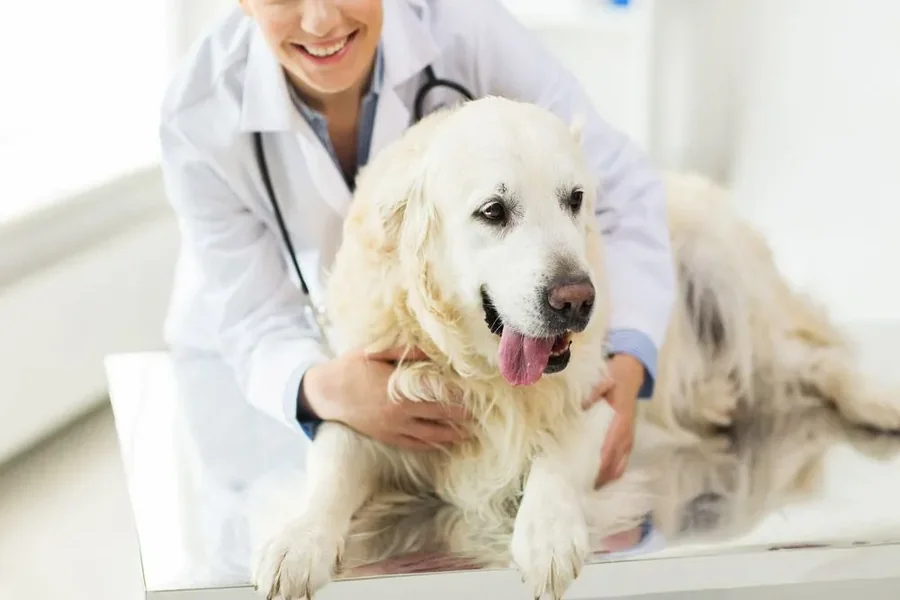
You hand over the leash, hear the kennel door close, and then the hard part starts. Your pet is spending the night at an animal hospital in Big Rapids, and your mind fills in every gap. Will they be scared? Will anyone notice if they are restless, painful, or confused at 2 a.m.? That worry is normal. Overnight care feels different because you are not there to read your pet’s body language, and pets cannot explain what they need in words.
The good news is that a veterinary hospital is built for this exact stretch of time. Overnight comfort is not just a soft blanket or a quiet room. It is pain control, close monitoring, stress reduction, clean housing, smart handling, and fast medical response if something changes. Overnight veterinary care works best when comfort and treatment happen together, because a pet who feels safer and hurts less often rests better and recovers better.
Veterinary hospitals reduce stress with familiar routines and calmer handling
Many pets struggle most with the break in routine. Strange smells, unfamiliar sounds, and separation from home can push even calm animals into a state of alert. That stress can show up as pacing, whining, hiding, trembling, or refusing food. Cats often shut down quietly, which makes their discomfort easy to miss unless staff know what to watch for.
Hospitals lower that stress by keeping handling gentle and predictable. Staff often use low stress approaches, move slowly, speak softly, and limit unnecessary disturbance. Housing choices matter too. Dogs and cats are usually kept separately when possible, which cuts down on noise and visual stress. Some pets settle better with a towel from home or a familiar toy if the medical team says it is safe. Texas A&M offers helpful guidance on reducing stress when pets stay away from home, and many of the same ideas apply during a hospital stay.
Pain management is one of the biggest parts of overnight comfort
A pet recovering from surgery, injury, or illness cannot rest well if pain is not controlled. You may see the obvious signs at home, like limping or crying, but pain can also look like panting, tense muscles, wide eyes, lack of appetite, or a pet that cannot settle. Overnight teams watch for those small shifts because pain changes fast after procedures and during illness.
Comfort care often includes scheduled pain medication, not just treatment after a pet seems miserable. Some patients need injectable medicine, some need oral medication, and some benefit from several methods used together. Chronic pain can be subtle, especially in older pets, which is why resources on recognizing and treating chronic pain in pets matter even outside emergency care. In a hospital, good pain control protects sleep, hydration, appetite, and healing.
Monitoring overnight helps staff catch changes before they become crises
Comfort is tied to safety. A pet who is nauseated, too warm, too cold, struggling to breathe, or having trouble after anesthesia may first show it in small ways. A trained overnight team checks vital signs, incision sites, urine output, mobility, and behavior. If your pet has diabetes, heart disease, seizures, or a serious infection, that monitoring becomes even more important because the night hours can bring swings that need quick action.
This is one reason a veterinary hospital overnight care setting is different from a standard boarding environment. The goal is not simply supervision. It is medical observation with the ability to respond right away.
Clean bedding, temperature control, and hydration support real rest
Physical comfort sounds simple until a pet is sick. A dog with arthritis may need thicker bedding. A cat recovering from dental work may need a warmed resting area and easy access to water. A post op patient may need frequent bedding changes to stay dry and clean. These details matter because discomfort stacks up fast. One cold room, one missed water refill, or one soiled blanket can keep a pet tense all night.
Hospitals support rest by adjusting bedding, cleaning enclosures, managing room temperature, and helping pets who cannot easily stand, turn, or drink. Some need intravenous fluids. Some need hand feeding or encouragement to eat once it is medically appropriate. Good overnight comfort is rarely one big thing. It is a series of small things done on time.
Comparison points show why overnight hospital care and home observation are different
| Comfort Need | Overnight Veterinary Hospital | Home Observation |
| Pain control | Scheduled medications, injectable options, reassessment through the night | Limited to what was prescribed and what you can safely give |
| Monitoring | Vital signs, behavior checks, incision checks, response to treatment | Observation depends on you being awake and knowing what changes mean |
| Rapid response | Immediate medical intervention if breathing, bleeding, or recovery changes | Requires travel back to emergency care if something goes wrong |
| Stress management | Trained handling, species separation, controlled environment | Familiar setting, but less medical support if stress is tied to illness or pain |
| Hydration and mobility support | IV fluids, assisted walking, bedding changes, hands on nursing care | Limited if your pet is weak, painful, or unwilling to move |
For stable pets, home can be the calmer option. For pets recovering from anesthesia, dealing with pain, or facing a condition that can change quickly, pet overnight care at a veterinary hospital often gives both comfort and protection that home cannot match.
Three steps help you prepare for an overnight stay
Share your pet’s normal habits clearly. Tell the team how your pet usually sleeps, eats, drinks, and signals stress. A cat that hides when painful or a dog that refuses food unless the bowl is placed a certain way gives staff useful information.
Ask what comfort measures are appropriate. Some pets can have a blanket or T shirt from home. Others should not, especially if they might chew, soil, or disturb a surgical site. Ask how pain will be managed overnight and how often your pet will be checked.
Get updates and discharge instructions in writing. Ask what happened overnight, what medications were given, whether your pet ate or urinated, and what warning signs matter once you get home. For broader veterinary updates and standards, the AVMA news hub is a solid source.
Comfort overnight comes from attention, not guesswork
If your pet needs to stay at a veterinary hospital, you are not overreacting by worrying about the night. Nights feel long when your animal is sick or recovering, and you want to know someone is watching the details that matter. The best hospitals do exactly that. They treat pain, reduce stress, keep pets clean and warm, monitor closely, and step in fast when something changes. That is what helps patients rest, and that rest is part of healing.
If your pet may need overnight care, call your veterinary hospital and ask how they keep patients comfortable through the night, what monitoring they provide, and what you can send along to help your pet settle.