
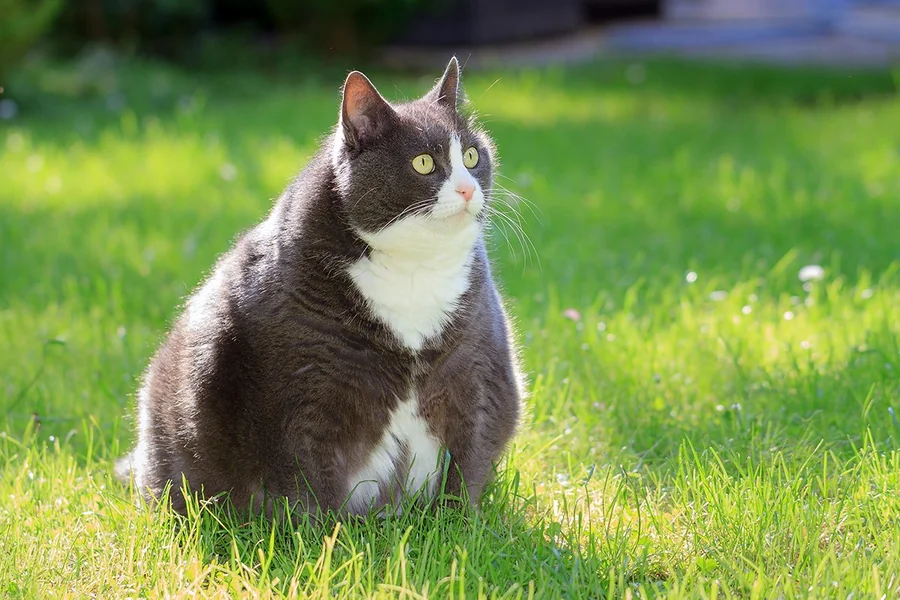
You look at your pet every day, so small changes can sneak up on you. A little extra padding can seem harmless, especially when your dog still runs to the door, or your cat still jumps onto the couch as nothing has changed. Then a vet mentions body condition score, and suddenly you are wondering if you missed something obvious. For expert veterinary care for dogs and cats in Lincoln, it helps to catch these subtle changes early.
That feeling is common. Weight changes in pets do not always look dramatic at first, and body condition score is not just about appearance. It is a practical way to judge whether your pet is carrying too little fat, too much fat, or a healthy amount. The short version is simple. If you ask the right questions during a routine visit, you can catch problems earlier, avoid guesswork at home, and make feeding decisions with more confidence.
Your pet’s body condition score reflects more than a number on the scale
A body condition score, often called BCS, measures body fat using a visual and hands-on exam. Your veterinarian looks at your pet from the side and above, then feels the ribs, waist, and abdomen. Two pets can weigh the same and have very different body composition, which is why the scale alone does not tell the whole story.
That matters because extra weight can raise the risk of arthritis, diabetes, heart strain, breathing trouble, and lower energy. Being underweight can signal poor nutrition, dental pain, digestive disease, or other illness. The FDA’s pet healthy weight guidance makes the point clearly. Weight is a health issue, not a cosmetic one.
If your pet begs constantly, steals food, or seems less active than before, it is easy to assume age is the whole story. Sometimes age plays a part. Sometimes the bigger issue is that food intake and activity no longer match your pet’s needs. That is where a pet body condition score becomes useful. It gives you a shared language with your veterinary team.
These six questions give you a clearer picture of your pet’s weight and health
1. What body condition score is my pet right now?
Start with the current score. Ask whether your pet falls on a 5-point or 9-point scale, and ask what that number means in plain language. You want more than “a little heavy” or “looks fine.” You want a clear baseline.
2. What does a healthy body condition look and feel like for my pet?
Ask your veterinarian to show you. You should know how easily you should be able to feel the ribs, how defined the waist should be, and what an abdominal tuck looks like. This is especially helpful if your pet has thick fur, a broad chest, or a body shape that hides weight gain.
3. Is my pet’s current weight putting them at risk for medical problems?
This question connects the score to real consequences. A dog who is mildly overweight may already be putting more pressure on painful joints. A cat carrying extra fat may face a higher risk of diabetes. The University of Illinois pet obesity FAQs explains how common excess weight is and why early action matters.
4. How many calories should my pet actually eat each day?
Many owners are surprised by this answer. Treats, table scraps, puzzle feeders, and “just a little extra” at dinner add up fast. Ask for a daily calorie target and how that target should be split between meals and treats.
5. Should we change the food, the portion, or both?
Sometimes the issue is overfeeding. Sometimes the food is too calorie-dense for your pet’s age, breed, activity level, or medical needs. Cats can be especially tricky because free feeding often hides gradual weight gain. Cornell’s advice on feeding your cat can help you understand why measured meals matter.
6. When should we recheck the body condition score?
Without a follow-up plan, good intentions fade. Ask when your pet should be weighed again, how quickly weight should change, and what signs mean the plan needs adjusting. Safe progress is the goal. Fast weight loss, especially in cats, can be dangerous.
Home observation and veterinary assessment work better together
You can learn to notice patterns at home, but guessing has limits. Maybe your dog looks slimmer because of a haircut. Maybe your senior cat feels bonier because muscle mass has dropped, not because she is at a healthy weight. That is where a general veterinarian helps separate appearance from actual condition.
This is one reason questions about your pet’s weight matter so much. They turn a vague concern into a plan. Instead of wondering whether your pet is “chunky” or “just fluffy,” you get a target, a feeding strategy, and a timeline.
At-home checks and veterinary guidance each have a role
| Approach | What It Helps With | Limitations |
| At home body check | Noticing changes in ribs, waist, belly shape, appetite, and activity | Fur, breed shape, and muscle loss can make visual checks misleading |
| Bathroom or household scale | Tracking broad weight trends over time | Does not show body fat distribution or muscle condition |
| Veterinary body condition scoring | Clear score, hands-on exam, health risk assessment, calorie guidance | Needs regular follow-up to stay useful |
| Personal feeding estimates | Quick day to day routine | Portions often drift upward and treat calories get missed |
The best results usually come from combining both. You keep an eye on habits at home, and your vet confirms whether those habits are leading your pet toward a healthier condition. That is the practical value of a body condition score for pets. It keeps everyone working from the same facts.
Small changes are easier to manage when you act early
Ask for a hands-on demo. During your next visit, have your veterinarian show you exactly where to feel for ribs, waist, and abdominal tuck. A two-minute demonstration can save months of guessing.
Measure every meal for two weeks. Use a real measuring cup or a gram scale. Include treats, chews, and shared bites from your plate. Most people are not overfeeding on purpose. They are just estimating.
Set a recheck date before you leave. Put it on your calendar. Weight management works better when it is monitored, not left open-ended.
Clear questions lead to better care for your pet
You do not need to spot every change on your own, and you do not need to feel guilty if your pet’s weight has drifted. You just need a clear starting point and a plan that fits real life. Asking these six questions during a visit with a general veterinarian can turn uncertainty into something manageable, which is often the hardest part.
Your pet depends on you, and asking better questions is a strong place to start.