
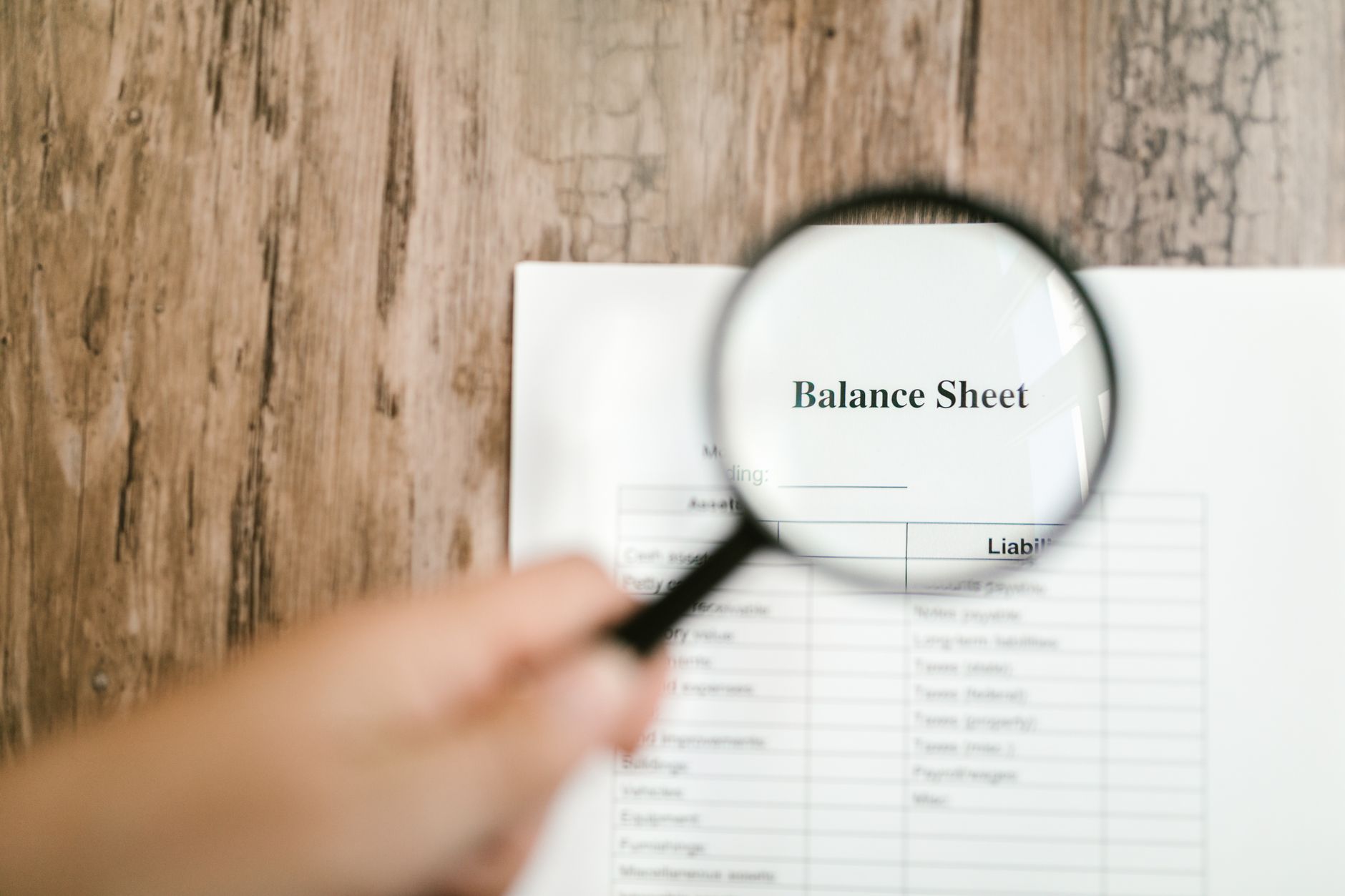
You close the books, scan the balance sheet, and something feels off. The numbers may tie out, but that does not mean they are clean. A balance sheet can hide old errors, rushed estimates, and entries that made sense in the moment but no longer hold up. That pressure gets worse when tax filing, financing, or an outside review is near, because one questionable account can spill into several others, which is why working with an Osterville CPA firm can help uncover and correct issues before they spread.
If you have been staring at the same balances month after month, hoping they will sort themselves out later, you are not alone. This is where a Certified Public Accountant often finds issues that routine bookkeeping misses. The short version is simple. Some balance sheet accounts deserve extra attention because they rely on judgment, timing, and support that can go stale fast.
Balance sheet accounts often look settled when they are not
Income statement problems usually get attention first because profit swings are easy to spot. Balance sheet accounts are quieter. They can sit there for months, even years, carrying amounts that no longer reflect reality. That is why 4 balance sheet accounts that may require additional CPA investigation is not just a technical list. It is a practical warning.
The first account is accounts receivable. If customers are slow to pay, the receivable balance may look healthy on paper while cash flow tells a different story. Old invoices, credit memos not applied, duplicate billings, and disputed charges all distort the real picture. The bigger issue is allowance for doubtful accounts. If the reserve is too low, assets are overstated and income may have been overstated too. Cornell’s guidance on bad debt allowances shows why this estimate matters so much.
The second account is inventory. Inventory errors can build quietly through count issues, obsolete stock, shrinkage, or costing mistakes. A product that was easy to sell last year may now be sitting in the back room with little value. If inventory is not adjusted down when needed, both assets and profit can be inflated. You may also have capitalization issues, especially if labor, freight, or overhead has been handled inconsistently.
The third account is prepaid expenses and other deferred costs. These balances often start as reasonable timing entries, then stay on the books too long. A prepaid insurance policy should run off. A software implementation cost may need a closer look. A deferred asset recorded during a busy month can become a parking lot for expenses that should have hit the income statement already. This is one of the most common areas where a CPA spots stale balances with no current support.
The fourth account is accrued liabilities. This one cuts the other way. Businesses often understate what they owe at period end, especially payroll items, bonuses, sales tax, interest, and vendor invoices that arrived late. When accruals are weak, expenses are pushed into the wrong period and liabilities look lower than they are. For small businesses, the IRS publication on recordkeeping and business reporting at Publication 334 is a useful reminder that support matters just as much as the final number.
A CPA review of financial statement accounts reduces hidden risk
These accounts create trouble because they are driven by estimates, cutoffs, and documentation. That means a number can look tidy while the support underneath it is thin. If you are preparing for a loan renewal, investor review, partner dispute, or tax filing, that weakness tends to surface at the worst time.
Revenue related balances deserve special caution too. Receivables, contract assets, deferred revenue, and refund liabilities connect to recognition rules that can affect the entire balance sheet. The SEC’s guidance on revenue recognition considerations reflects how closely these balances are tied to reporting accuracy. Even if your business is private, the logic still applies. If the timing of revenue is wrong, the balance sheet is usually wrong with it.
This is why many owners ask for a CPA balance sheet review before year end instead of after a problem appears. It is easier to fix an aging schedule, count inventory properly, or rebuild accrual support before those balances flow into tax returns, lender packages, or management decisions.
Common risks in key accounts compared to professional review benefits
| Account | Common Issue | Risk if Ignored | What a CPA Often Investigates |
| Accounts Receivable | Old invoices, weak bad debt reserve | Overstated assets and income, cash flow surprises | Aging trends, collections history, allowance method, cutoff testing |
| Inventory | Obsolescence, count errors, costing problems | Inflated assets, distorted gross profit | Physical count support, turnover, valuation, capitalization practices |
| Prepaids and Deferred Costs | Expired items still carried as assets | Understated expenses, misleading margins | Amortization schedules, invoices, useful period, classification |
| Accrued Liabilities | Missing period end obligations | Understated expenses and liabilities | Subsequent disbursements, payroll reports, tax filings, vendor statements |
Practical steps help you clean up balance sheet risk fast
1. Pull support for every unusual or aging balance. Start with anything old, round, negative, or unchanged for several periods. If you cannot explain where a number came from in two minutes, flag it. Gather invoices, reconciliations, aging reports, contracts, and journal entry backup.
2. Compare the balance sheet to real world activity. Receivables should line up with actual collections. Inventory should reflect what can be counted and sold. Prepaids should expire on a schedule. Accrued liabilities should tie to bills, payroll, and taxes that were truly owed at period end. This step sounds obvious, but it catches a surprising number of errors.
3. Bring in a CPA before filing or borrowing. A general ledger can be technically complete and still be misleading. A fresh review from a tax and accounting professional can uncover stale assumptions, unsupported entries, and classification problems before they create tax exposure or damage credibility with lenders and investors.
Clean balance sheet accounts support better decisions
You do not need every account to be perfect before asking for help. You need clarity on the balances most likely to cause trouble. Accounts receivable, inventory, prepaid expenses, and accrued liabilities are four of the most common problem areas because they depend on judgment and discipline, not just data entry.
If any of these balances have been bothering you, trust that instinct. A careful review now can prevent a much harder conversation later. Reach out to a Certified Public Accountant for a focused balance sheet review and get the numbers back to something you can rely on.