
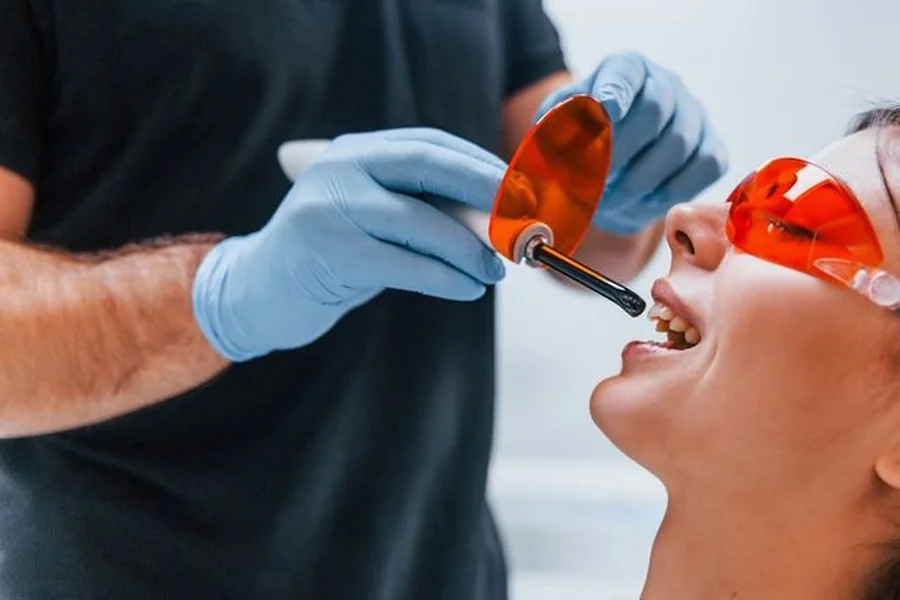
Cosmetic dentistry can change how you feel when you look in the mirror. Yet without steady preventive care, that new smile can break down fast. Every filling, veneer, crown, or whitening treatment faces daily stress from chewing, grinding, and plaque. Small problems can grow into cracked teeth, stains, or painful infections. Then the money and time you spent on your smile start to feel wasted. Preventive care stops that slide. Regular cleanings, exams, and simple home care keep repairs strong and your smile steady. A dentist in Lake View, Chicago can spot tiny warning signs before you feel pain. Early care costs less, hurts less, and protects your confidence. This blog explains how simple habits and routine visits can protect your cosmetic work for years.
Why cosmetic work needs extra protection
You might think strong crowns or veneers can handle anything. They cannot. They depend on the health of the tooth and gums under and around them. When plaque sits on your teeth, bacteria release acids. These acids eat away natural tooth and creep under cosmetic work. Gums also react. They swell, bleed, and pull away. Once that happens, even perfect cosmetic work starts to fail.
Here is what threatens your cosmetic dentistry most.
- Plaque and tartar that cause decay around fillings and crowns
- Gum disease that loosens teeth and exposes edges of veneers
- Teeth grinding that chips porcelain and wears edges
Each problem starts small. You might not feel it. You might not see it. Yet it grows under the surface. Preventive care cuts these threats early.
What preventive care really means
Preventive care is not fancy. It is steady and simple. It includes three main parts. You control two at home. Your dentist controls one in the office.
- Daily brushing and flossing
- Smart food and drink choices
- Regular cleanings and checkups
The American Dental Association explains that brushing with fluoride toothpaste twice a day and cleaning between teeth each day lowers decay and gum disease for all ages.
You protect your cosmetic work the same way you protect natural teeth. You just raise the stakes. A cavity near a veneer or crown does not only need a small filling. It can mean a full remake of that cosmetic work.
How preventive care saves money and pain
Cosmetic dentistry is an investment. You pay with money, time, and emotional energy. You may take time off work. You may sit through long visits. Preventive care guards that investment. It shifts your focus from repair to protection.
Typical impact of preventive care on cosmetic dentistry
| Issue | With regular preventive care | Without regular preventive care
|
|---|---|---|
| Veneers | Last 10 to 15 years. Minor touch-ups. | Need replacement in a few years due to decay or chips. |
| Crowns | Edges stay sealed. Gums stay stable. | Decay under edges. Crown loosens or falls off. |
| Teeth whitening | Stays bright with quick cleanings and fewer stains. | Fades fast. You repeat full whitening often. |
| Gum health | Firm, pink, and snug around cosmetic work. | Red, swollen, and receded. Exposed edges and sensitivity. |
Each checkup lets your dentist catch problems before they need big repairs. The Centers for Disease Control and Prevention share that untreated decay and gum disease are common but preventable.
Daily habits that protect cosmetic work
You control what happens to your teeth most hours of the day. Strong habits give your cosmetic work the best chance to last.
- Brush twice a day with a soft brush and fluoride toothpaste
- Floss or use another tool to clean between teeth once a day
- Limit sugary drinks and snacks to meal times
- Rinse with water after coffee, tea, or red wine
- Skip using teeth to open packages or bite hard objects
Next, pay attention to warning signs.
- Bleeding when you brush or floss
- New stains along the edges of veneers or crowns
- New rough spots or chips
- Sensitivity to hot, cold, or sweets
Do not wait. Call your dentist when you notice these changes. Early care often means a small polish or repair instead of a full replacement.
Why regular cleanings matter more after cosmetic treatment
Professional cleanings reach spots you miss at home. This is true for everyone. It is even more true when you have veneers, crowns, or bonding. Edges and joins collect plaque. Stains cling to tiny grooves.
During preventive visits, your dentist and hygienist can
- Remove plaque and tartar near cosmetic work
- Check fit and edges for tiny gaps
- Watch your bite to see if grinding is wearing surfaces
- Review brushing and flossing steps with you
If you grind your teeth, your dentist may suggest a night guard. That clear shield spreads pressure and protects porcelain and enamel. It often turns deep cracks into tiny marks that never grow.
Helping your child or teen with cosmetic work
Some children and teens receive cosmetic or restorative work after injury or decay. They also face sports, snacks, and busy routines. You can support them with three steps.
- Use protective gear. Mouthguards for sports prevent chipped teeth and broken jaw.
- Set a routine. Morning and night brushing stays easier when it happens at the same time.
- Watch sugar. Juice, soda, and sticky snacks cling to teeth and feed bacteria net worth.
Children learn from what you do. When they see you keep your own dental visits, they accept that care as normal. That shared habit protects every smile in the home.
Protect your smile for the long term
Cosmetic dentistry can restore trust in your smile. Preventive care keeps that trust from fading. You do not need complex steps. You need steady ones.
- Brush and clean between teeth every day
- See your dentist on the schedule they suggest
- Speak up when you notice changes or discomfort
When you treat preventive care as part of your cosmetic plan, you guard both your health and your money. You give each veneer, crown, and whitening treatment the chance to last. You also protect something deeper. You protect the calm feeling that comes when you smile without worry.