
Doctors prescribe a comprehensive list of tests before surgery. However, one test which typically ignored by patients is the viral marker testing. It is not just another formality; it can protect lives.
This test looks for signs of viruses like Hepatitis B, Hepatitis C, and HIV. These viruses do not always cause symptoms in the initial stages. A person can look and feel healthy but still carry the infection. That’s what makes it dangerous, especially in surgery.
The Relevance of the Viral Marking Test
Surgeons and anaesthetists need to know what they’re dealing with. If a patient is positive for any of these, it can affect how the surgery is done, what drugs are used, and how the patient is cared for afterwards. And it also helps keep the medical staff safe.
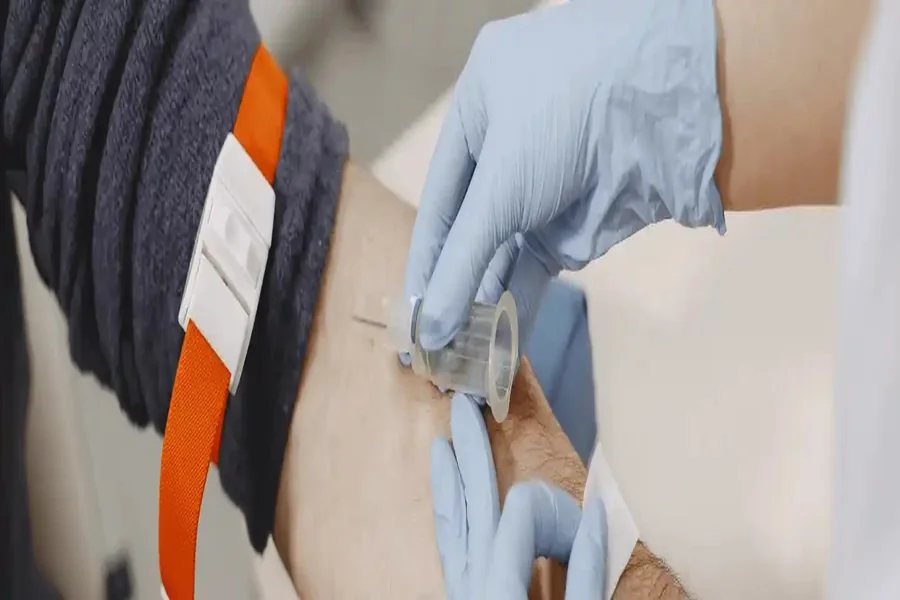
The viral marker test is usually a simple blood test. It detects antigens or antibodies linked to specific viral infections. Results are often available within a few hours, depending on the lab.
Why It’s Important Before Surgery?
In India, Hepatitis B and C are more common than many people think. HIV cases are lower, but the risk is still there. Many carriers have no idea they’re infected. This makes routine testing before any operation more than just a hospital rule; it’s a necessary step. Skipping this test can lead to:
- A delay in recovery due to a poor immune response
- Unexpected complications during or after surgery
- Infections are spreading inside the hospital
For example, if a person with Hepatitis B undergoes surgery without the care team knowing, it can slow down wound healing or increase liver stress. Or if someone with HIV needs surgery, their weakened immune system may struggle with post-op infections.
AskDocDoc allows patients preparing for surgery to consult with qualified doctors online. You can ask questions about test results, get advice on what’s needed before an operation, and speak directly with specialists in private or public mode.
What does the Test Cover?
A standard viral marker screening before surgery usually includes:
- HBsAg (Hepatitis B surface antigen)
- Anti-HCV (Hepatitis C antibody)
- HIV 1 & 2 antibodies
Some hospitals might also include extra markers like HBeAg or HBcAb, depending on the case.
These infections may not always affect the surgery directly. But when undiagnosed, they can make small procedures more complex and recovery harder.
Labs use ELISA or rapid diagnostic kits, both of which are fairly accurate. Results don’t take long, and early detection makes medical decisions easier and safer for everyone involved.
AskDocDoc connects users with over 2,000 licensed doctors from different specialties. Whether you need a second opinion on the viral marking test result or want to understand if you’re fit for surgery, they can help online, without waiting rooms or delays.
Who Needs It and When?
This test should be done for anyone undergoing any surgery involving blood, tissue, or invasive instruments. That includes dental procedures, biopsies, and even some diagnostic interventions.
It doesn’t matter how healthy a person feels. These viruses can be present in the body silently for years. The test is how you find out about viruses before they pose a threat.
Final Thoughts
Doctors can’t work on assumptions. They need clear facts before putting someone under the knife. That’s why viral marker testing is not a tick-box; it’s a filter for risk. It protects the patient, the doctors, and everyone else involved in your surgery.
If you have a surgery coming up and want clarity on which tests you need, AskDocDoc is the best platform. The experienced doctors of this portal answer questions on various aspects of health. Just send yours in, and get quality advice on viral marker testing that’s actually useful.