
Your dental implant is not just a piece of metal. It becomes part of your body. That is why the material inside your jaw must be safe, stable, and kind to your tissue. When an implant material does not work well with your body, you may face pain, infection, bone loss, or implant failure. In contrast, a biocompatible material supports healing. It lets your bone grow around the implant. It lowers the risk of inflammation. It helps your new tooth feel strong and steady when you chew or speak. Every Great Falls, MT dentist who places implants must think about how your body will react for years to come. This is not a small choice. It affects your comfort, your health, and your trust in your own smile. You deserve to know why that choice of material matters so much.
What “Biocompatible” Really Means For You
Biocompatible means your body can accept a material without strong rejection or harm. The material does not poison your cells. It does not spark a harsh immune fight. It allows your bone and gums to heal around it in a steady way.
Implant biocompatibility rests on three simple questions.
- Does the material stay stable in your mouth
- Does it avoid strong irritation of tissue
- Does it support bone growth and repair
When the answer to all three is yes, the odds of a solid, long lasting implant improve.
How Your Body Heals Around An Implant
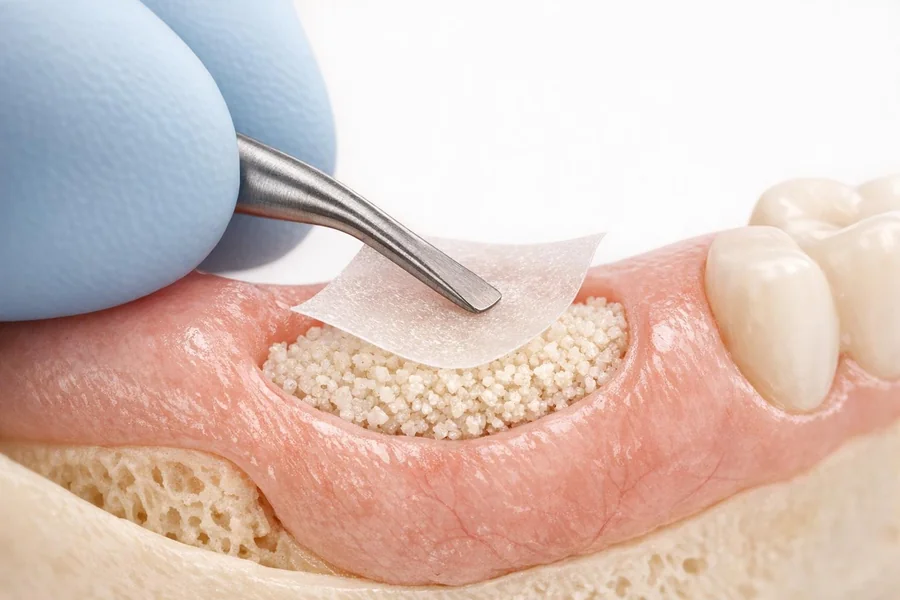
After an implant goes into your jaw, your bone starts a repair process. Your cells grow onto the surface of the implant. This process is called osseointegration. When it works well, the implant becomes locked in place.
Biocompatible materials support three key steps.
- Early blood clot and clean healing
- New bone growth onto the implant surface
- Long term balance between bone breakdown and new bone
If the material releases harmful ions or triggers strong swelling, this chain can break. Then the implant may loosen or fail.
Common Implant Materials And How They Compare
Most dental implants use titanium or a titanium alloy. Some use zirconia, which is a strong ceramic. Both types aim to work with your body, but they have differences in history, strength, and use.
| Material | Body Compatibility | Strength | Use History | Cosmetic Impact
|
|---|---|---|---|---|
| Titanium | High acceptance in most patients | Very strong under chewing force | Used for decades in dental and joint implants | Metal color can shine through thin gums |
| Titanium alloy | High acceptance, may include other metals | High strength with some flexibility | Common in modern implant systems | Same color limits as pure titanium |
| Zirconia ceramic | High acceptance, metal free | Strong, more brittle than metal | Shorter track record than titanium | Tooth colored, better for thin or high smile lines |
The United States National Institutes of Health describes titanium as highly successful for dental implants because of its stable oxide layer and strong bond with bone.
Why Material Choice Affects Your Health
Your implant material can affect more than your mouth. It can affect your body’s whole response.
Three main risks are linked to poor material choice.
- Swelling and infection around the implant
- Progressive bone loss near the implant neck
- Rare but real metal sensitivity or allergy
Most people do well with titanium. Yet some have skin reactions to metals like nickel. If you have a strong history of metal allergy, you should tell your dentist. Testing with a different material may help.
The Centers for Disease Control and Prevention explain that chronic mouth infection can affect general health.
Comfort, Appearance, and Daily Life
Biocompatible materials affect how your implant feels each day. A good match can mean less swelling, less redness, and easier cleaning. You can eat, talk, and smile without fear that the implant will move.
Appearance also matters. Thin gums can show the color of the implant under the tissue. A metal-free option may help in the front of the mouth. A metal option may fit better under heavy chewing forces in the back.
Your dentist will look at three simple things.
- Your health history and any allergy record
- The thickness of your gums and bone
- The place of the missing tooth in your smile
Then you and your dentist can choose a material that supports healing, chewing comfort, and a natural look.
Questions To Ask Before You Agree To An Implant
You have the right to clear answers about the material that will live in your jaw. Before treatment, ask these questions.
- What material will you use for my implant
- How long has this material been in use
- Are there metal-free choices that fit my case
- Do I have any signs of metal sensitivity
- How will we watch my bone and gums over time
Careful questions now can prevent regret later.
Taking The Next Step With Confidence
Biocompatible materials sit at the heart of safe, steady implant care. They shape how well your bone heals, how your gums respond, and how your mouth feels when you bite into daily food. They influence your long-term health, not just your smile in photos.
When you understand why these materials matter, you can share decisions with your dentist instead of feeling left out. You can ask clear questions, weigh choices, and choose a path that respects your body. That respect is the core of lasting implant success and real peace of mind.