
Your mouth needs steady care, not only quick fixes twice a year. Daily habits between checkups protect you from pain, cost, and worry. Simple steps keep your teeth strong and your gums steady. You do not need special tools or complex routines. You only need a clear plan and consistency. This guide shares direct tips you can start today. You will learn how to brush with purpose, clean between teeth, and protect your mouth during busy days. You will also see how food, drinks, and small choices shape your health. Many people wait until something hurts. That delay leads to deeper problems. Regular care at home lowers that risk. Your Dentist in Garden City MI can treat disease. Yet your daily habits often decide if a disease starts. Take control of your routine now. Your future visits can feel calmer, faster, and more focused on prevention.
Brush with purpose, not habit
Many people move the brush around on autopilot. That pattern misses spots and leaves plaque behind. You can fix that with a simple plan.
- Brush two times each day for two minutes.
- Use fluoride toothpaste in a pea-sized amount.
- Hold the brush at a slight angle toward the gumline.
- Use short strokes on each tooth.
- Cover the outer, inner, and chewing surfaces.
Try this routine. Split your mouth into three sections on each jaw. Clean front teeth, then side teeth, then back teeth. Spend about twenty seconds on each group. That pattern keeps you from rushing one part.
You can use a manual brush or an electric one. Both work when you use good technique.
Manual vs electric toothbrush comparison
| Feature | Manual brush | Electric brush
|
|---|---|---|
| Cost | Low | Higher |
| Plaque removal | Good with solid technique | Often stronger for people who rush |
| Built in timer | No | Common |
| Helpful for limited hand movement | Less | More |
The right choice is the one you will use every day. If you want more detail on brushing, you can read this guide from the National Institute of Dental and Craniofacial Research.
Clean between teeth every day
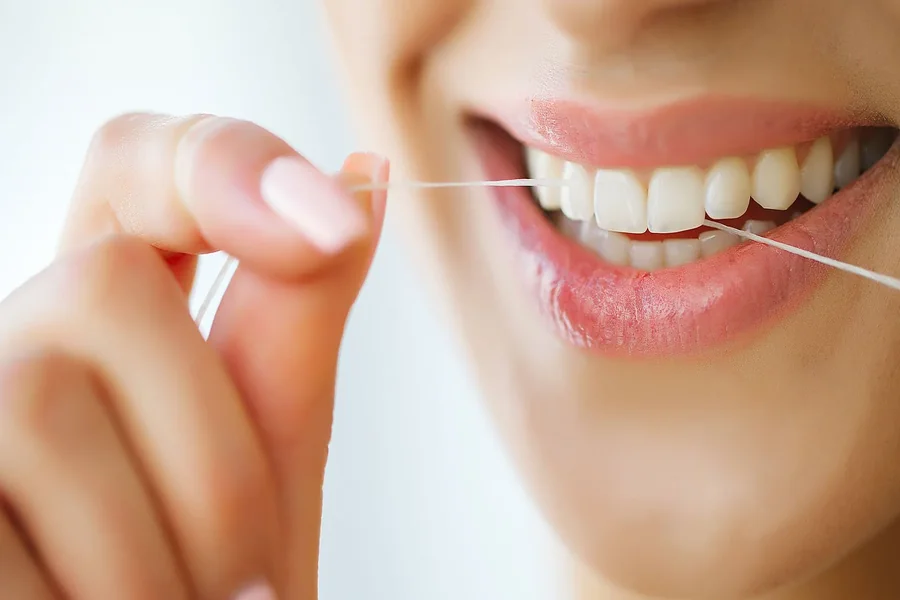
Brushing alone does not reach the tight spaces between teeth. Food and plaque sit there and cause bleeding gums and decay. Daily cleaning between teeth protects those spots.
You can use:
- Traditional floss.
- Floss picks.
- Small interdental brushes.
- Water flossers.
Use what feels easiest. The key is to do it once each day. Gently slide between teeth. Then hug each tooth in a C shape and move up and down. Do not snap the floss into your gums. That can cause cuts and soreness.
At first, your gums may bleed. That bleeding often comes from inflammation. Keep going each day. The bleeding should slow within a week. If it does not, ask your dentist to check.
Use fluoride to strengthen teeth
Fluoride hardens the outer surface of your teeth. It helps prevent decay and can even repair early weak spots.
You can get fluoride from:
- Fluoride toothpaste.
- Fluoride mouth rinse if your dentist suggests it.
- Fluoridated tap water.
The Centers for Disease Control and Prevention explain the value of fluoridated water. You can check if your local water has fluoride through state or city sources.
Watch what you eat and drink
Food and drink choices can either protect your mouth or wear it down. Sugar feeds bacteria that create acid. That acid attacks tooth enamel.
Try these three steps:
- Limit sugary drinks like soda, sports drinks, and sweet tea.
- Keep sweets with meals instead of as all-day snacks.
- Drink water often, especially after eating.
When you want a snack, choose options that are kinder to teeth. For example, cheese, nuts, plain yogurt, raw carrots, and apples help clean the mouth and support health. Sticky candy and constant sipping on sweet drinks raise the risk.
Protect teeth during daily life
Your teeth face many small threats each day. You can lower those risks with simple actions.
- Use a mouthguard during sports.
- Do not use teeth as tools to open packages.
- Limit ice chewing.
- If you grind at night, talk with your dentist about a night guard.
These steps prevent chips and cracks. They also protect dental work you already have.
Build a simple routine for your family
Children watch what adults do. When you care for your mouth, you teach your child to do the same. You can keep it simple.
Try this three-part family plan:
- Brush together in the morning and before bed.
- Use a song or timer for two minutes.
- Keep floss and brushes in easy reach for everyone.
Help young children brush until they can tie their own shoes. That skill level often means they can control the brush well. Use a small soft brush and a tiny smear of fluoride toothpaste for children under three. Use a pea-sized amount for children three and older, unless your dentist gives other guidance.
Use checkups to strengthen your home routine
Dental visits are not only for fixing problems. They are also a chance to improve your daily care. Ask your dentist or hygienist to watch your brushing and flossing and point out missed spots. Bring questions about products you see in stores or online. Many products promise quick change yet offer little benefit.
Think of each visit as a progress check on three things. Your daily cleaning. Your eating and drinking patterns. Your protection from injury and grinding. When you keep those three parts steady, you often need fewer urgent visits and fewer complex treatments.
Your mouth works hard every day. With clear steps and steady habits, you can protect it between visits and walk into each appointment with more comfort and control.