
Living in Canada means experiencing all four seasons in full force—from freezing winters to humid summers. While most homeowners focus on how these seasonal changes affect their lifestyle, there’s another factor quietly shifting behind the scenes: pest activity.
Pests don’t disappear throughout the year—they adapt. Each season brings different types of pests, behaviors, and risks. Understanding these patterns can help you stay ahead and avoid unexpected infestations.
Instead of reacting when a problem appears, the smartest approach is to anticipate what’s coming next.
❄️ Winter: When Pests Move Indoors
Canadian winters are harsh, but they don’t eliminate pests completely. In fact, for many pests, winter is simply a signal to move inside.
Rodents like mice and rats are the most common winter invaders. As temperatures drop, they search for warmth, food, and shelter—and homes provide all three.
Basements, attics, garages, and even wall cavities become ideal nesting areas.
One surprising fact is how easily rodents can enter your home. Mice can squeeze through openings as small as a coin. Small cracks around doors, vents, or foundations are more than enough.
⚠️ What to watch for in winter:
- Scratching sounds inside walls
- Droppings in hidden areas
- Chewed wires or insulation
- Food contamination
Winter infestations can go unnoticed for weeks because pests stay hidden. By the time you realize something is wrong, the population may already be growing.
🌱 Spring: The Awakening Phase
As the snow melts and temperatures rise, pest activity begins to increase again. Spring is often when infestations truly start—but many homeowners don’t realize it.
Insects that were dormant during winter become active. Ants, termites, and other crawling insects begin searching for food and nesting areas.
Moisture from melting snow and spring rain also creates ideal conditions for pests to thrive.
⚠️ Common spring pests:
- Ants entering kitchens
- Termites targeting wood structures
- Spiders becoming more visible
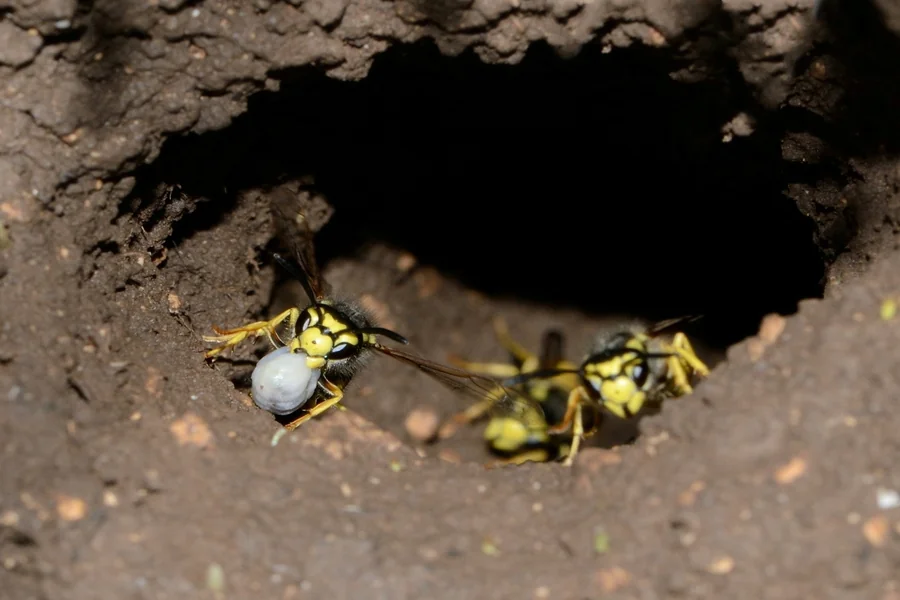
- Early signs of wasp activity
Spring is the perfect time for inspection and prevention. If you catch issues early in this season, you can often avoid larger infestations later in the year.
☀️ Summer: Peak Pest Season
Summer is when pest activity reaches its highest level. Warm temperatures and increased outdoor activity create the perfect environment for pests to multiply rapidly.
During this time, you’ll likely see more insects both inside and outside your home.
⚠️ Common summer pests:
- Wasps building nests around roofs and decks
- Mosquitoes breeding in standing water
- Flies entering through open doors and windows
- Ant colonies expanding rapidly
Backyards, patios, and outdoor living spaces become hotspots for pest activity.
This is also when infestations become more visible—and more difficult to control without proper intervention.
🍂 Fall: The Transition Into Survival Mode
As temperatures begin to drop again, pests shift their focus from expansion to survival.
Rodents and insects start searching for shelter before winter arrives. Homes become the primary target.
Fall is one of the most critical seasons for prevention. If pests find a way inside during this time, they’re likely to stay throughout the winter.
⚠️ What to watch for in fall:
- Increased rodent activity around entry points
- Pests gathering near doors and windows
- Early nesting behavior in hidden areas
Sealing entry points during fall can significantly reduce the risk of winter infestations.
🛠️ Why Year-Round Prevention Matters
One of the biggest misconceptions about pest control is that it’s only necessary when there’s a visible problem.
In reality, effective pest management is about consistency.
Waiting until you see pests usually means the infestation is already established. Prevention, on the other hand, keeps problems from starting in the first place.
This is why many homeowners choose to work with a trusted pest control company you can find on ServiceQuotes.CA that provides ongoing monitoring and treatment throughout the year.
💡 Building a Long-Term Pest Control Strategy
Instead of reacting to each season individually, it’s more effective to take a long-term approach.
A solid pest control strategy includes:
✔️ Regular Inspections
Checking your home seasonally for signs of pest activity can help catch issues early.
✔️ Sealing Entry Points
Cracks, gaps, and openings should be sealed before pests have a chance to enter.
✔️ Managing Moisture
Pests are attracted to moisture. Fix leaks and ensure proper drainage around your home.
✔️ Maintaining Cleanliness
Keeping your home clean reduces the likelihood of attracting pests.
✔️ Professional Support When Needed
Sometimes, prevention isn’t enough—especially in high-risk areas or older homes.
Exploring the best pest control solutions for homes can help you create a strategy that works year-round and adapts to seasonal changes.
🧨 Final Thoughts
Pests don’t follow your schedule—they follow the seasons.
Each time of year brings different challenges, but with the right knowledge and preparation, you can stay ahead of them.
The key is to stop thinking of pest control as a reaction and start treating it as a continuous process.
Because when it comes to protecting your home, prevention will always be easier—and far less expensive—than dealing with an infestation after it begins.