
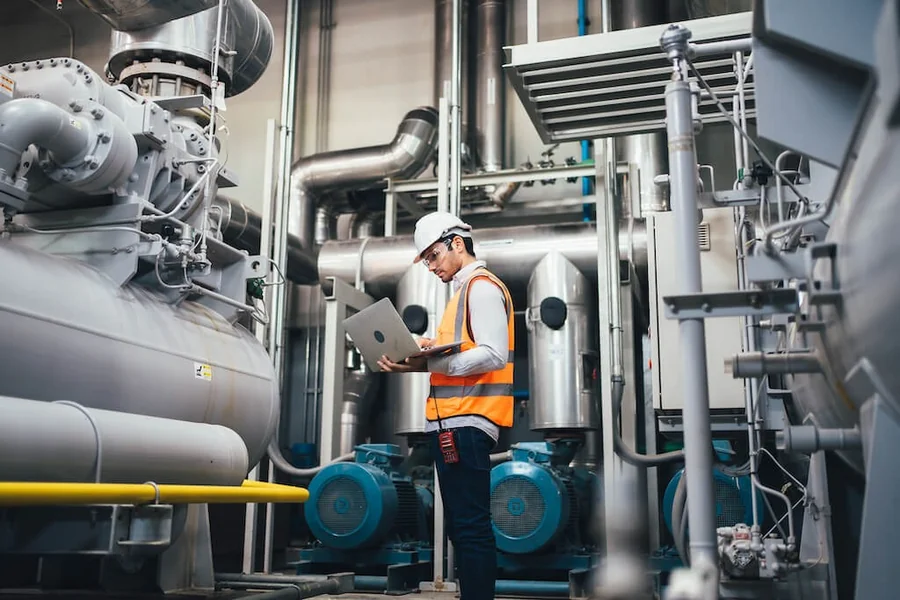
Have you ever wondered why some machines seem to run flawlessly for years while others constantly break down? Or why certain businesses rarely experience unplanned downtime despite having complex operations? The answer often lies in preventive maintenance. This proactive approach ensures equipment, systems, and facilities are maintained regularly to prevent costly failures before they occur.
What is Preventive Maintenance?
Preventive maintenance (PM) refers to scheduled inspections, servicing, and repairs performed on equipment and systems to prevent unexpected breakdowns. Unlike reactive maintenance, which responds to failures after they happen, PM focuses on foresight. By identifying potential issues early, businesses can extend the life of assets, reduce downtime, and save on repair costs.
Preventive maintenance is widely used across industries, from manufacturing plants to commercial facilities. For example, factories perform routine checks on machinery, while commercial buildings schedule HVAC inspections and cleaning. Even small businesses benefit from simple practices, like regular servicing of computers, printers, or delivery vehicles.
The Benefits of Preventive Maintenance
The advantages of preventive maintenance go far beyond avoiding equipment failure. One of the most immediate benefits is cost savings. By addressing minor issues before they escalate, businesses reduce the need for expensive emergency repairs. For instance, replacing worn-out bearings in a machine is far cheaper than repairing a complete motor breakdown.
Another key benefit is increased equipment lifespan. Regular maintenance ensures that machines operate under optimal conditions, reducing wear and tear. Over time, this prolongs asset life, delaying costly replacements.
Operational efficiency is also enhanced. Preventive maintenance reduces unexpected downtime, keeping production lines, office operations, or service delivery running smoothly. Employees can plan their work without interruptions, which boosts overall productivity.
Finally, preventive maintenance contributes to safety. Equipment failures can pose significant hazards, from electrical malfunctions to mechanical accidents. By regularly inspecting and servicing machinery, businesses reduce the risk of workplace injuries, ensuring a safer environment for employees.
Common Preventive Maintenance Practices
Preventive maintenance involves various strategies depending on the type of equipment or facility. Common practices include:
- Scheduled Inspections: Routine checks to identify early signs of wear, corrosion, or damage.
- Lubrication and Cleaning: Ensuring moving parts operate smoothly and debris does not cause damage.
- Replacement of Worn Components: Swapping out parts like belts, filters, and bearings before they fail.
- Calibration: Ensuring instruments and sensors provide accurate readings to avoid malfunctions.
- Software Updates: For modern equipment, applying updates and patches prevents system failures.
By documenting and tracking maintenance activities, businesses can create a preventive maintenance schedule. This allows for timely interventions and helps in tracking trends, predicting failures, and budgeting for maintenance costs.
Technology and Preventive Maintenance
Modern technology has revolutionized preventive maintenance. CMMS (Computerized Maintenance Management Systems), IoT sensors, and predictive analytics allow businesses to monitor equipment performance in real time. Alerts can notify managers about unusual vibrations, temperature changes, or energy consumption, indicating potential issues before a breakdown occurs.
For example, a factory using IoT-enabled motors can track vibration patterns. If the system detects unusual activity, maintenance staff can intervene immediately, preventing costly downtime. Similarly, commercial buildings can monitor HVAC performance and schedule filter replacements automatically, enhancing energy efficiency and air quality.
Technology-driven preventive maintenance not only improves reliability but also provides valuable data for decision-making. Over time, businesses gain insights into asset performance, helping them optimize maintenance strategies and reduce operational costs.
Implementing an Effective Preventive Maintenance Program
Starting a preventive maintenance program requires planning and commitment. Key steps include:
- Asset Inventory: List all equipment and systems requiring maintenance.
- Maintenance Schedule: Determine frequency of inspections, servicing, and replacements.
- Staff Training: Ensure employees understand procedures and reporting requirements.
- Monitoring and Evaluation: Use technology and records to track performance and adjust the program as needed.
A well-implemented program creates a culture of reliability and foresight, minimizing surprises and maximizing efficiency.
Conclusion
Preventive maintenance is not just a technical requirement—it’s a strategic approach that saves money, extends asset life, enhances productivity, and improves safety. Businesses that invest in regular upkeep and embrace modern technologies gain a competitive edge by reducing downtime and avoiding costly failures. Whether managing a manufacturing plant, an office, or a fleet of vehicles, preventive maintenance is the key to keeping operations running smoothly. By prioritizing regular care, you ensure that your assets are not only functional but also efficient, safe, and long-lasting.