
In our digitally dominated world, the art of presenting has undergone a dramatic transformation. Audiences are no longer satisfied with static slides and one-way communication. Today’s successful presenters harness evolving technology and design principles to make their messages resonate more deeply. From interactive tools to immersive experiences, integrating current trends is essential to engaging modern audiences. Early adopters of these strategies maximize impact through memorable content and high engagement levels. For creators looking to streamline their processes, there are innovative solutions, such as AI presentation maker, that enable sophisticated, visually stunning presentations with minimal effort.
Meeting today’s viewers’ expectations requires being deliberate with both form and function. Presenters must prioritize clarity, engagement, and adaptability to deliver results that stand out. Interactive elements give audiences an active role, while smart data visualizations help clarify complex ideas. Thoughtful use of immersive technology amplifies emotional impact. Whether pitching to investors or educating a classroom, these trends help speakers achieve their goals effectively.
Interactive Elements Foster Engagement
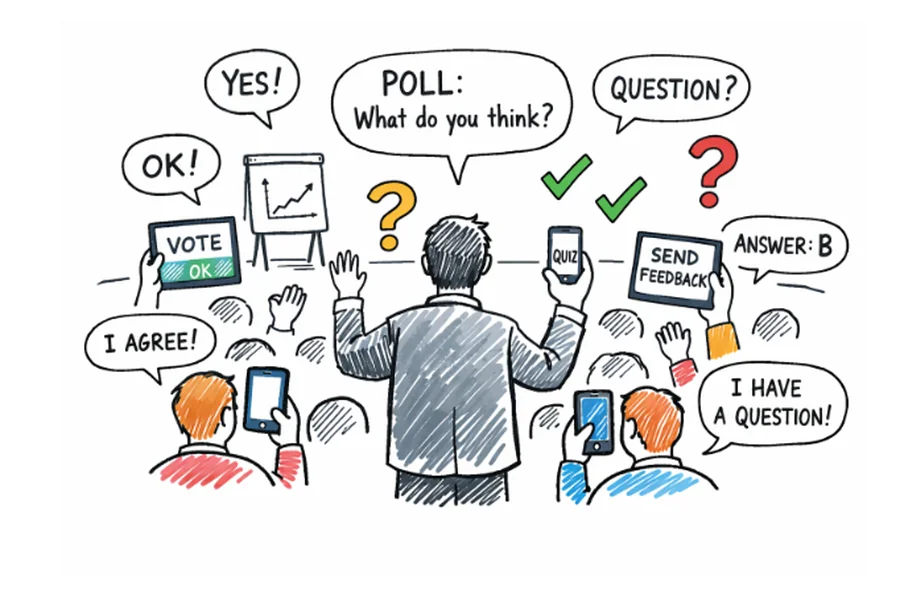
Audiences expect dynamic experiences, not monologues. Live polls, audience Q&A sessions, and instant feedback portals energize and encourage participation in presentations. Digital tools such as Slido and Mentimeter have grown in popularity, allowing attendees to submit questions, vote on topics, or even contribute suggestions in real time. Studies suggest that these interactive structures improve retention rates and foster a sense of community between the speaker and the audience.
Incorporating game-inspired elements, such as quizzes or audience-driven choices, further boosts excitement. These mechanisms not only maintain close attention but also deliver valuable insights to presenters, enabling them to adjust their content in real time based on audience response, creating presentations that feel tailor-made for each group. Beyond polls and Q&A, presenters can also use virtual whiteboards or collaborative brainstorming tools like Miro or Google Jamboard. By enabling attendees to contribute ideas or organize content visually in real time, speakers transform passive listeners into active co-creators of the session. This not only democratizes information flow but also increases buy-in and enthusiasm, especially useful in workshops and strategy sessions. Interactive breakouts and group activities via video conferencing platforms foster small-group discussion and cooperative problem-solving, further enriching the learning environment and boosting retention.
Advanced Data Visualization Techniques
From interactive dashboards to clickable infographics, presentations now move far beyond static bar charts. Visualization software enables audiences to drill down into datasets, investigate trends, and uncover the stories behind the numbers. By transforming data into an exploratory experience, presenters enable viewers to engage directly with facts and figures, enhancing trust and comprehension. Tools like Tableau and Power BI facilitate real-time manipulation of data during presentations, keeping users actively engaged. Notably, dynamic infographics and data storytelling provide accessible paths into complex information. Presenters can break down vast datasets into digestible segments, using motion graphics or animated charts to show progression, change, or forecast. Heat maps, scatter plots, and interactive timelines help audiences visualize relationships, spot outliers, or follow processes over time. Integrated video explainers can further illuminate key points and provide narrative context for raw numbers, increasing overall audience comprehension and emotional impact.
Immersive Technologies Enhance Storytelling
Tech advances are revolutionizing visual communication in presentations. Animations, 3D models, and AR (augmented reality) overlays add vitality, making even complex or abstract data easy to grasp. Industries such as architecture, education, and product development have adopted immersive visuals to enable audiences to explore concepts and designs more deeply and in real time directly within the presentation environment. For instance, 3D renderings can illustrate a product’s mechanism. At the same time, augmented reality can place a new design directly in a client’s physical space, bringing ideas to life more vividly than traditional slides ever could. In addition, immersive VR experiences are becoming increasingly popular at conferences and training events. Virtual reality allows presenters to place their audiences inside sophisticated simulations, such as walking through a new building or exploring a digital landscape. These experiences are designed to foster empathy and facilitate a deep, memorable understanding of the topics presented. Even in remote presentations, augmented elements embedded via smartphone or tablet apps offer transformative ways to showcase products, demonstrate scientific principles, or share interactive prototypes, making presentations feel futuristic and highly engaging for all participants.
Artificial Intelligence Streamlines Content Creation
AI-driven solutions are streamlining the entire presenter workflow. From drafting compelling copy and finding the right visuals to suggesting on-the-fly translations and analyzing audience feedback, artificial intelligence is making tailored, polished presentations far more accessible. Text-to-image tools and content recommendation engines ensure presentations remain visually cohesive and on-brand. For global teams, AI-powered translation tools can bridge language gaps on the spot, making professional presentations more inclusive and universally understandable.
Moreover, AI can be applied to monitor audience engagement in real time, analyzing facial expressions, attention levels, and even sentiment through integrated cameras and sensors. This feedback allows presenters to pivot their approach, change pace, or elaborate where necessary, creating a custom experience for each audience. Machine learning algorithms can also recommend improvements to slide layouts, visual consistency, or color schemes, speeding up the design process and ensuring every deck is not only visually appealing but also optimized for maximum comprehension and emotional impact.
Minimalist Design for Clear Messaging
In a world drowning in information, the trend of “quiet design” champions simplicity and intentionality. Presenters use refined font pairings, strictly organized grid systems, and limited color palettes to spotlight their key ideas. This restraint underscores authority and respect for the audience’s intelligence, ensuring the message is never diluted by unnecessary visual clutter. Subdued animations or discreet textures add a touch of sophistication, but the ultimate focus is always on the clarity of the core message. Minimalist slides also facilitate accessibility and inclusivity, helping viewers with cognitive or visual sensitivities absorb the information without distraction. Carefully balanced whitespace improves readability and can guide audience attention precisely to the messages that matter most. In virtual and hybrid environments, simplicity supports faster load times, broader device compatibility, and a universally professional impression across platforms. As expectations for user experience rise, adopting minimalist design principles becomes both a stylistic and strategic advantage in modern presentations.
Conclusion
The landscape of public speaking and visual storytelling is evolving fast, and those hoping to connect with modern audiences must keep pace. By embracing interactive elements, dynamic data visualization, immersive technologies, innovative AI tools, and minimalist design, professionals can craft presentations that achieve both clarity and memorability. These trends do not just follow audience preferences; they help shape them, driving presenters toward more meaningful and engaging communication than ever before. Ultimately, integrating these modern trends allows presenters to cater to diverse learning styles and preferences, capturing and maintaining attention in a competitive information landscape. The future of presenting will continue to blend technology, psychology, and design, empowering communicators to spark genuine curiosity and inspire action, regardless of audience size or setting. Staying ahead of these trends ensures not only more effective communication but also a lasting impact on those you seek to engage.