
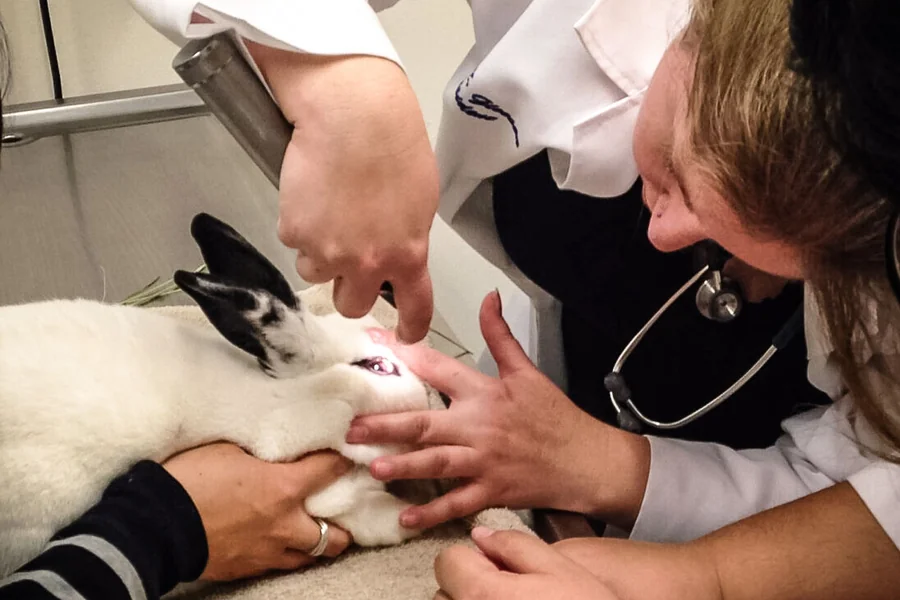
Exotic and small pets need different care than dogs and cats. Your rabbit, parrot, ferret, or gecko hides pain. You often notice problems only when they stop eating or moving. That delay can cost your pet comfort and time. This guide explains how clinics care for these quiet animals. You will see what happens during exams, how staff handle stress in shy pets, and what tests protect them. You will also learn when to seek help fast. If you have a veterinarian in Adrian, Michigan, you can use these steps to ask clear questions and plan visits. Each section shows how you and your clinic work as a team. The goal is simple. You keep your pet safe at home. Your clinic steps in when trouble starts or when you need routine checks. Together you give your pet a steady and calm life.
Why Exotic And Small Pets Need Different Care
Exotic and small pets have fast bodies and fragile organs. A small change in food, light, or room heat can cause sudden illness. Many prey species also hide weakness from you. By the time you see clear signs, the problem often feels severe.
Clinics that see these pets focus on three things.
- Prevention through diet, housing, and vaccines when needed
- Gentle handling that avoids fear and injury
- Early testing that finds disease before it spreads
You protect your pet when you know what a “normal” day looks like. A clinic protects your pet when staff know what small changes mean trouble.
What Happens During An Exotic Pet Exam
An exam for a rabbit, bird, reptile, or rodent follows a clear pattern. Each step has a purpose that staff will explain if you ask.
- History. Staff asks about food, cage size, light, bedding, and behavior.
- Observation. The veterinarian watches breathing, posture, and movement before touching your pet.
- Hands-on check. The veterinarian feels muscles, checks eyes and mouth, and listens to the heart and lungs.
- Weight. Even small changes show early disease.
- Basic tests. Fecal checks, blood work, or imaging when needed.
The American Veterinary Medical Association explains that regular exams for exotic pets lower the risk of sudden decline. You gain time to act before your pet reaches a crisis point.
Handling And Reducing Stress
Handling is different for each species. A clinic that cares for exotic and small pets trains staff to move with care and speed.
- Rabbits need support under the chest and back legs. This prevents spinal injury.
- Birds need control of the head and wings without squeezing the chest. They must move air to breathe.
- Reptiles need calm hands and support for the body and tail.
- Rodents need gentle scooping from below instead of grabbing from above.
Staff can also lower stress through three simple steps.
- Quiet rooms away from barking and loud sounds
- Soft towels for hiding and warmth
- Short visits when your pet shows fear or strain
Your part starts before you leave home. You can cover carriers with a light cloth, keep litter or bedding inside, and avoid strong smells like cleaners or perfume.
Common Tests And What They Show
Many tests match those used in dogs and cats. Yet the meaning of each result depends on your pet’s species and size.
| Test Type | Used For | Examples Of Problems Found
|
|---|---|---|
| Fecal exam | Check stool for parasites | Worms in rabbits. Protozoa in reptiles. |
| Blood work | Check organs and infection | Liver disease in birds. Kidney strain in small mammals. |
| X rays | View bones and inner organs | Fractures. Egg binding. Gas buildup. |
| Culture or swab | Find bacteria or yeast | Respiratory infections in birds and rodents. |
The Centers for Disease Control and Prevention also stresses that some exotic pets carry germs that spread to people. Testing and clean handling keep both you and your pet safe.
How Care Differs By Species
Each type of exotic and small pet has its own clinic needs. You help most when you bring photos of the cage, food labels, and a list of daily routines.
- Rabbits and guinea pigs. Clinics focus on teeth, gut movement, and feet. Staff often check for sharp teeth, sore hocks, and gut stasis.
- Birds. Clinics pay close attention to breathing, feathers, and weight. They watch for feather loss, nasal discharge, and changes in droppings.
- Reptiles. Exams center on skin, eyes, and bone strength. Many problems come from the wrong heat or light in the home.
- Ferrets. Common checks include lymph nodes, heart sounds, and hormone patterns as they age.
- Rodents. Staff look for dental overgrowth, tumors, and breathing strain.
Emergency Signs You Must Not Ignore
Exotic and small pets can move from “seems off” to crisis in a short time. You protect your pet when you treat certain signs as emergencies.
- Stop eating for more than one meal
- Labored or open mouth breathing
- Sudden weakness or collapse
- Bleeding that does not stop
- Swollen belly or straining to pass stool or eggs
- Seizures or repeated head tilt
If you see any of these, call a clinic that treats your species at once. State the species and the main sign in your first sentence. This helps staff act fast.
Working With Your Clinic As A Team
Your pet depends on you for daily care and on the clinic for medical care. When you share clear facts, staff can choose safe tests and treatment.
Bring three things to every visit.
- A list of all foods, treats, and supplements
- Photos or short video of normal behavior and of the problem
- Any past records or test results
Ask three simple questions before you leave.
- What is the most likely cause of this problem
- What signs mean I must return or call at once
- What changes should I make at home today
Giving Your Exotic Or Small Pet A Steady Life
Exotic and small pets bring quiet joy. They also depend on careful, steady care from you and your clinic. When you know what to expect during exams, how stress is handled, and which signs need fast help, you give your pet a stronger chance at a safe life. Regular visits, honest questions, and close watching at home form a simple plan. You notice a change. Your clinic explains it. Together, you act before small problems grow.