
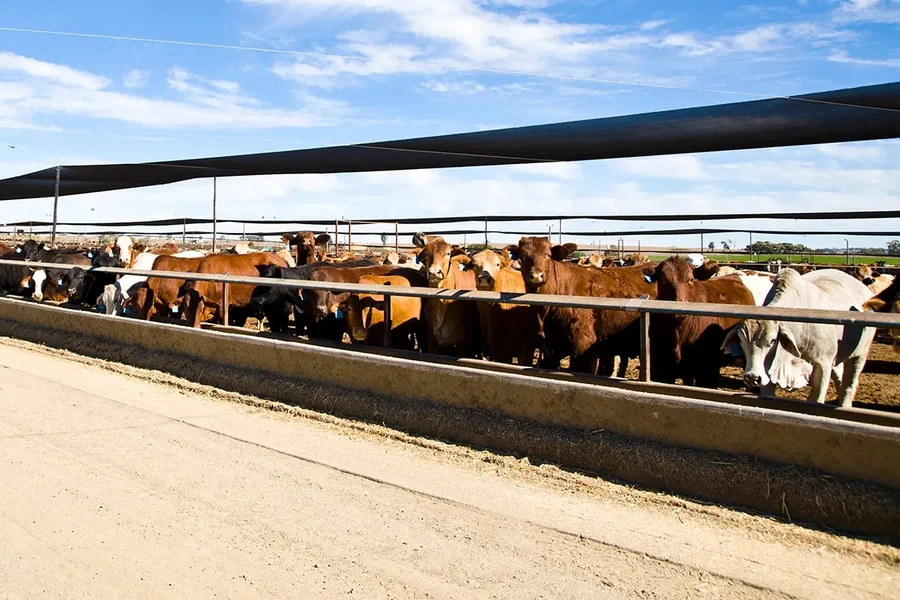
The livestock industry continues to evolve with new technologies, improved animal welfare practices, and highly efficient facility designs. Saleyards and feedlots play an essential role in Australia’s livestock supply chain, supporting farmers, buyers, and processors. As the industry grows, so does the need for modern systems that ensure efficiency, animal wellbeing, and sustainable operations. Today, both large and small-scale producers recognise that updated infrastructure and well-managed practices help achieve better outcomes for livestock and businesses alike. Efficient livestock management practices in saleyards and feedlots demonstrate how thoughtful design, automation, and process improvements can significantly enhance the handling and welfare of animals.
Understanding the Importance of Saleyards and Feedlots in Modern Agriculture
Saleyards and feedlots serve different but equally important functions within the livestock industry. Saleyards facilitate the buying and selling of livestock by providing safe, centralised environments for inspections, auctions, and transport coordination. Feedlots, on the other hand, focus on controlled feeding programs that allow cattle to gain weight efficiently before being marketed. Both facilities have undergone major advancements, making them safer, cleaner, and more welfare-focused than ever before.
Modern Improvements in Facility Design
Facility design plays a critical role in the welfare and movement of livestock. Many Saleyards and Feedlot operators now build environments based on animal behaviour principles, ensuring smoother flow and reduced stress.
Curved Pathways and Low-Stress Handling
Modern livestock handling designs incorporate curved pathways, tapered pens, and non-slip flooring. These features help guide animals naturally, reducing fear and the risk of injury. Efficient livestock management practices in saleyards and feedlots often include yard systems inspired by behavioural science, which prioritise calm and predictable movement.
Safe Loading and Unloading Areas
Upgraded ramps and loading docks are designed to match truck heights and minimise steep angles. Better lighting, solid side panels, and even noise-reducing materials all work together to keep animals calm throughout movement.
Improved Ventilation and Shelter
Both saleyards and feedlots have increased focus on shelter structures and air circulation. Shade structures protect livestock from heat stress, while well-ventilated sheds help maintain comfortable temperatures during hot or humid conditions. These improvements create healthier environments and better overall livestock performance.
Technological Advancements in Livestock Monitoring
Technology has transformed how livestock are monitored, managed, and tracked. Many Saleyards and Feedlot operations rely on digital tools that improve accuracy, efficiency, and transparency.
Electronic Identification (EID)
Electronic identification tags help managers track individual animals through every stage of their journey. EID systems support data recording for weight, health treatments, sales information, and movement history. This increases traceability and reduces paperwork errors.
Automated Weighing and Drafting Systems
Automated systems help sort livestock more efficiently based on weight, size, or specific criteria. These systems reduce manual handling, allowing for quicker processing while maintaining animal safety. Efficient livestock management practices in saleyards and feedlots often integrate automated drafting because it lowers labour needs and minimises stress for both handlers and animals.
Remote Monitoring and Cameras
Feedlots increasingly use camera systems and remote-monitoring technology to oversee large herds. This allows staff to detect behavioural changes or signs of health issues more quickly. Early intervention reduces risks such as illness spread, dehydration, or injury.
Advancements in Animal Welfare Standards
Animal welfare has become a top priority for modern livestock operations. Saleyards and feedlots now follow strict guidelines that protect livestock throughout feeding, handling, transportation, and processing stages.
Training and Education for Staff
Workers in saleyards and feedlots receive specialised training in low-stress handling techniques. This includes understanding herd behaviour, flight zones, and safe handling methods. Staff who understand animal behaviour play a major role in preventing stress-related issues and injuries.
Improved Facility Hygiene
More operations now invest in regular cleaning, drainage systems, and waste management programs. Maintaining clean yards reduces disease risks and improves livestock comfort, especially in feedlot environments where animals spend extended periods in one location.
Welfare Monitoring and Audits
Some Saleyards and Feedlot facilities undergo regular welfare audits to ensure compliance with industry standards. These audits help identify areas for improvement and maintain high levels of accountability.
Feedlot Efficiency and Nutrition Management
Nutrition is one of the most important factors affecting livestock performance in feedlots. Modern feedlots use science-backed feeding programs to ensure animals receive balanced, high-quality diets that support healthy growth.
Balanced Feeding Programs
Professional nutritionists design feeding programs based on animal age, weight, energy needs, and environmental factors. Feed rations often include grains, roughage, vitamins, and minerals to promote steady weight gain and maintain digestive health.
Automated Feeding Systems
Automated feeding machinery helps deliver precise rations at scheduled times, reducing waste and ensuring consistency. These systems improve feed conversion rates and create more predictable outcomes for producers.
Water Quality and Hydration Monitoring
Clean water access is essential for feedlot animals. Modern watering systems include float valves, filtration systems, and trough designs that prevent contamination. Technology is sometimes used to monitor consumption levels and detect potential system failures early.
Livestock Transport and Safety Improvements
Safe transportation is vital to animal welfare. Many advancements have made livestock transport safer, more comfortable, and more efficient.
Modern Transport Vehicles
Transport vehicles now feature non-slip flooring, ventilation systems, smooth internal surfaces, and adjustable partitions. These improvements reduce stress and prevent injuries during travel.
Proper Loading Practices
Modern guidelines ensure livestock are loaded calmly and in appropriate group sizes. This prevents overcrowding, overheating, and unnecessary movement during travel.
Coordination Between Saleyards, Feedlots, and Transporters
Good communication between facility managers and transport operators ensures movement schedules are safe and efficient. Reducing waiting times decreases stress, dehydration risks, and health issues.
The Role of Sustainability in Modern Operations
Sustainability is becoming an important element in the livestock industry. Many Saleyards and Feedlot operations are adopting environmentally responsible practices that reduce waste, conserve water, and improve long-term viability.
Waste Management and Recycling
Manure management systems help convert waste into valuable fertiliser. Some facilities use composting methods that reduce odours and improve soil quality for surrounding farms.
Water Conservation
Feedlots often incorporate water recycling systems that reuse wash-down water or capture rainfall for operational use. This helps reduce environmental impact and supports long-term sustainability.
Energy Efficiency
Solar panels, LED lighting, and energy-efficient machinery help reduce operational costs and environmental footprints.
Why Modernisation Matters for Farmers and Buyers
As industry expectations rise, modern saleyards and feedlots help farmers remain competitive. Buyers benefit from better-quality livestock, accurate data, and streamlined processes. Farmers thrive when facilities support animal growth, welfare, and performance.
Increased Market Transparency
Digital records and electronic sales platforms provide accurate information on livestock condition, weight, and history. This transparency builds trust between buyers and sellers.
Reduced Labour Requirements
Automation helps reduce the physical workload for handlers while speeding up processing times. This is especially valuable in regions experiencing skilled labour shortages.
Healthier and More Valuable Livestock
Improved welfare leads to healthier animals, which results in better market prices and more predictable outcomes for producers.
Efficient livestock management practices in saleyards and feedlots continue to showcase how innovation and modern thinking benefit the entire agricultural supply chain.
Custom Printing in Saleyards and Feedlots
Custom printing plays an unexpected but valuable role in agricultural operations. Printed signage, equipment labels, safety instructions, and branded boards help create clearer communication and strengthen business identity. Having easily visible signage also improves safety by guiding workers and transport operators across large facilities. Agriculture businesses often use custom printing for branding at auctions, corporate events, and livestock sales, helping them stand out in competitive markets.
Conclusion
Modern saleyards and feedlots play a vital role in improving livestock handling, welfare, and operational efficiency. With advancements in facility design, technology, nutrition management, and animal welfare standards, the industry continues to evolve to meet growing demands. These improvements benefit producers, buyers, handlers, and livestock alike. Efficient livestock management practices in saleyards and feedlots demonstrate that when welfare and efficiency work together, the entire agricultural supply chain becomes stronger, more sustainable, and more profitable.