
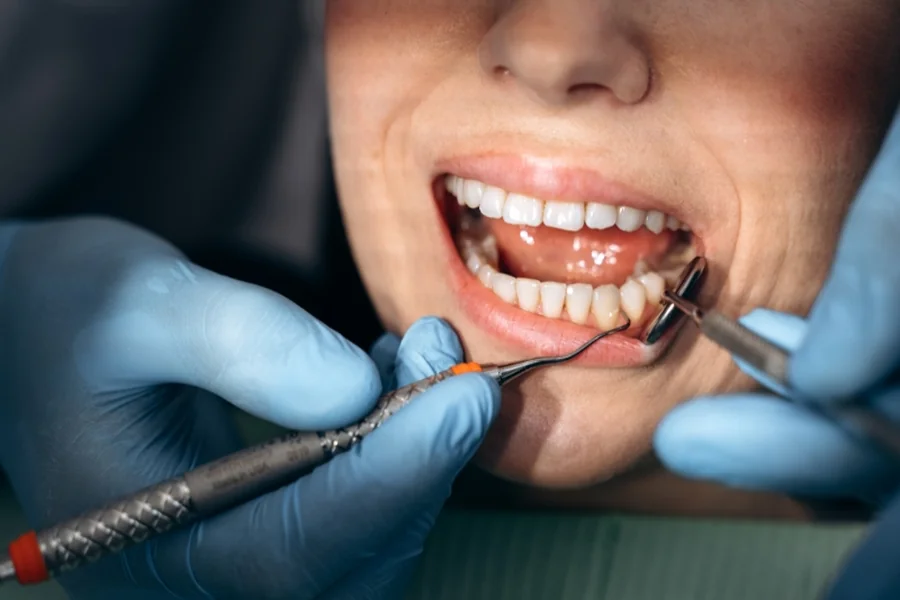
Your gums carry quiet pain long before teeth show trouble. You may notice a little blood on your toothbrush or a sour taste. Then you ignore it. That small sign can grow into infection, bone loss, and lost teeth. General dentistry stops that slow damage. Regular cleanings remove sticky film that home care misses. Careful exams catch swelling, pockets, and early gum disease before it spreads. Simple tests and X‑rays show a hidden infection. A dentist in Phoenix can also study your medical history and medicines that affect your gums. Then you get a clear plan that fits your mouth and your daily life. You learn how to brush and floss so your gums stay firm and steady. You also gain fast treatment when early gum disease appears. That steady support protects your smile, your breath, and your confidence.
Why Gum Health Matters For Your Whole Body
Gum disease starts with germs in sticky film on your teeth. Your body reacts. Gums swell and pull away from teeth. Over time, you lose bone. Teeth loosen. You may also face a higher risk of heart disease and poor blood sugar control.
The Centers for Disease Control and Prevention explains that almost half of adults over 30 have some form of gum disease. You are not alone.
You can change this story. General dentistry gives you steady checks, early care, and clear steps at home.
What Happens During Routine Dental Visits
Each visit has three core pieces. Cleaning. Exam. Planning.
During a routine visit, you can expect:
- Review of your health history and medicines
- Blood pressure check in many offices
- Gum measurements with a small probe
- Cleaning above and below the gumline
- X rays when needed to see bone and hidden germs
- Check for mouth cancer, dry mouth, and bite problems
Each step protects your gums. Cleaning removes the film that causes swelling. Gum measurements tell your dentist where pockets form. X-rays show bone loss. Early signs appear long before you feel pain.
Early Gum Disease And How Your Dentist Responds
Gum disease often starts as gingivitis. Gums look red. They bleed when you brush or floss. Breath smells bad. At this stage bone is still safe. With strong home care and a good cleaning, gums can heal.
Next comes periodontitis. Gums pull away. Pockets hold germs. The bone starts to shrink. Teeth may feel loose. u may notice spaces between teeth that were not there before.
Your dentist uses simple steps to respond.
- More frequent cleanings, often every three months
- Deep cleaning to remove hardened film below the gumline
- Medicine rinses or gels in deep pockets
- Clear home care plan that fits your skills and time
The National Institute of Dental and Craniofacial Research explains these stages and treatments in plain words.
Daily Habits Your Dentist Wants You To Use
Office care works best with steady habits at home. Your dentist helps you focus on three actions. Cleaning. Diet. Checks.
- Brush twice a day with a soft brush and fluoride paste
- Floss or use small brushes between teeth every day
- Rinse with a simple mouthwash if your dentist suggests it
Next, you look at what you eat and drink.
- Limit sugar drinks and snacks
- Drink water through the day
- Chew sugar-free gum to help saliva flow if your mouth feels dry
Then you keep up with checks.
- Visit your dentist at least twice a year, or more if advised
- Call early if you see blood, swelling, or a bad taste
- Share any new health diagnosis or new medicine
How General Dentistry Compares To Waiting For Pain
Waiting for pain feels easy in the short term. Yet it costs more time, more money, and more stress. Routine general care costs less and saves teeth.
| Approach | What You Do | Short Term Effect | Long Term Result For Gums
|
|---|---|---|---|
| Routine general dentistry | Cleanings and exams on a set schedule | Small visits. Low discomfort | Less bone loss. Fewer loose teeth |
| Waiting for pain | Skip visits until there is a problem | No cost now. Sudden high cost later | More deep infection. Higher chance of tooth loss |
| Strong home care only | Brush and floss but no exams | Gums may look fine on the surface | Hidden pockets and bone loss can grow unseen |
Special Concerns For Children, Adults, And Older Adults
Each stage of life brings its own gum risks. Your general dentist adjusts care for you.
For children:
- Teach brushing and flossing with simple steps
- Check for mouth breathing that dries gums
- Watch for early crowding that traps food
For adults:
- Screen for early gum disease during every visit
- Link gum care with heart health and blood sugar checks
- Support people who smoke and want to quit
For older adults:
- Manage dry mouth from medicines
- Adjust tools for sore hands or poor grip
- Protect remaining teeth and any implants
When To Call Your Dentist Right Away
Do not wait if you notice three key warning signs.
- Gums that bleed often when you brush or floss
- Swelling, soreness, or pus near a tooth
- Loose teeth or change in your bite
Quick action can turn a crisis into a simple visit. Early care often means cleaning and home changes instead of surgery or tooth loss.
Taking Your Next Step
You do not need perfect teeth to start. You only need a first visit. General dentistry gives you clear facts, steady care, and support that respects your limits.
Ask questions. Share your fears. Bring a list of your medicines. Then work with your dentist on three simple goals. Fewer films on teeth. Healthier gums. Fewer surprises.