
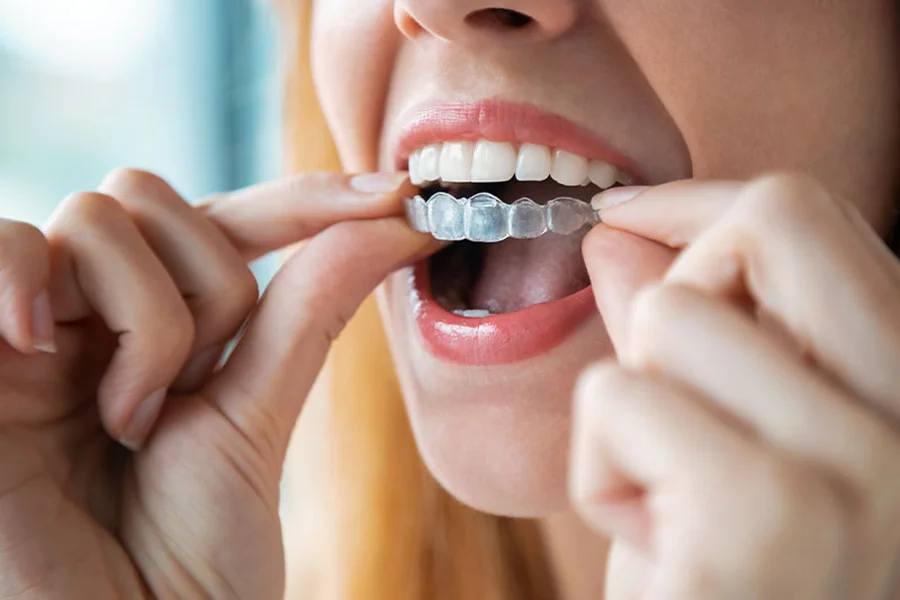
Crooked or crowded teeth can drain your patience. Braces help, but metal brackets and wires can feel harsh. Today, clear aligners give you another choice. These thin plastic trays move your teeth step by step. They fit your mouth. They are almost invisible. You can take them out to eat, brush, and floss. That gives you more control and less daily stress. Clear aligners do not fit every mouth. Yet for many people, they match the results of braces with far less disruption. This blog explains how they work, who they help, and what to expect during treatment. It also shows how a dentist in Deer Park, TX can use clear aligners to guide your teeth into a healthier bite. By the end, you will know if this quiet, steady path to a straighter smile might work for you.
How Clear Aligners Work
Clear aligners use controlled pressure to move teeth. Each tray is part of a series. You wear one set for about one to two weeks, then switch to the next. Every new set shifts teeth a small amount.
The process has three simple steps.
- First, the dentist checks your teeth, gums, and jaw.
- Second, they take digital scans or molds to build a 3D model.
- Third, a plan maps each movement from start to finish.
The trays are made from smooth plastic. They cover your teeth from edge to gumline. They fit snug and rely on constant, gentle force. In some cases, dentists may use surgical instruments like mouth gags during exams or procedures to keep the mouth comfortably open and ensure clear visibility while assessing alignment and fit.
The National Institute of Dental and Craniofacial Research explains that steady pressure can guide teeth into better positions. Clear aligners use the same basic science without brackets or wires.
Who Can Benefit From Clear Aligners
Clear aligners help with many common bite problems. These include:
- Crowded teeth that overlap
- Spaces between teeth
- Mild overbite or underbite
- Teeth that shifted after past braces
They often work well for teens and adults who can follow rules. You must wear trays for 20 to 22 hours each day. You remove them only to eat, drink anything except water, and clean your teeth and trays.
Clear aligners may not fit complex cases. Severe bite problems or major jaw issues may still need braces or even surgery. A licensed dentist or orthodontist must review your mouth and your health history. That review protects you from root damage, gum loss, or bite pain.
Clear Aligners vs Traditional Braces
The table below compares key features. It can help you weigh daily impact, not just final results.
| Feature | Clear Aligners | Traditional Braces
|
|---|---|---|
| Appearance | Nearly invisible trays | Visible metal or ceramic brackets |
| Comfort | Smooth plastic edges | Brackets and wires can rub cheeks |
| Eating | Remove trays. Eat normal foods. | Avoid hard, sticky, or chewy foods. |
| Cleaning teeth | Remove trays. Brush and floss as usual. | Use special tools to clean around brackets. |
| Visits | Fewer short checks in many cases | More frequent wire adjustments |
| Best for | Mild to moderate alignment issues | Simple and complex alignment issues |
| Dependence on patient | High. Must wear trays as directed. | Lower. Braces stay on teeth. |
What Treatment Feels Like Day To Day
Clear aligners still move bone and teeth. That can cause pressure and mild soreness, often when you start a new set. Many people feel it most at night and during the first few days of each tray.
You can expect three daily habits.
- Wear trays 20 to 22 hours.
- Remove them to eat and drink anything except water.
- Rinse and clean trays every time you brush.
Most people speak clearly after a short adjustment time. Some sounds may feel strange at first. Your tongue adapts as it learns the new shape in your mouth.
The Centers for Disease Control and Prevention stresses the link between clean teeth and a lower risk of decay. Clear aligners make brushing and flossing simpler. That can protect your teeth during treatment.
Safety And Smart Use
Clear aligners are medical devices. They need careful planning and close review by a trained professional. Online kits without in-person exams skip key steps. You lose X-rays, gum checks, and jaw review. That can hide infection, bone loss, or other risks.
For safe treatment, you should:
- Get a full exam and X-rays before starting.
- Share your health and medicine history.
- Attend follow-up visits as scheduled.
- Report pain, bleeding, or loose teeth right away.
Children and teens need extra support. Parents should watch for wear time, tray care, and any changes in speech or eating.
Is Clear Aligner Treatment Right For You
Clear aligners can ease the path to straight teeth. They can fit busy schedules, shy teens, and adults who want a quiet change. They can also fail if trays stay in a case instead of on teeth.
To decide, think about three questions.
- Can you commit to wearing trays as directed every day?
- Are your teeth and gums healthy enough for movement?
- Are your bite problems within the range that aligners can fix?
A careful exam and an honest talk with a dentist or orthodontist will give you clear answers. With the right plan, clear aligners can offer steady change with less daily strain on you and your family.