
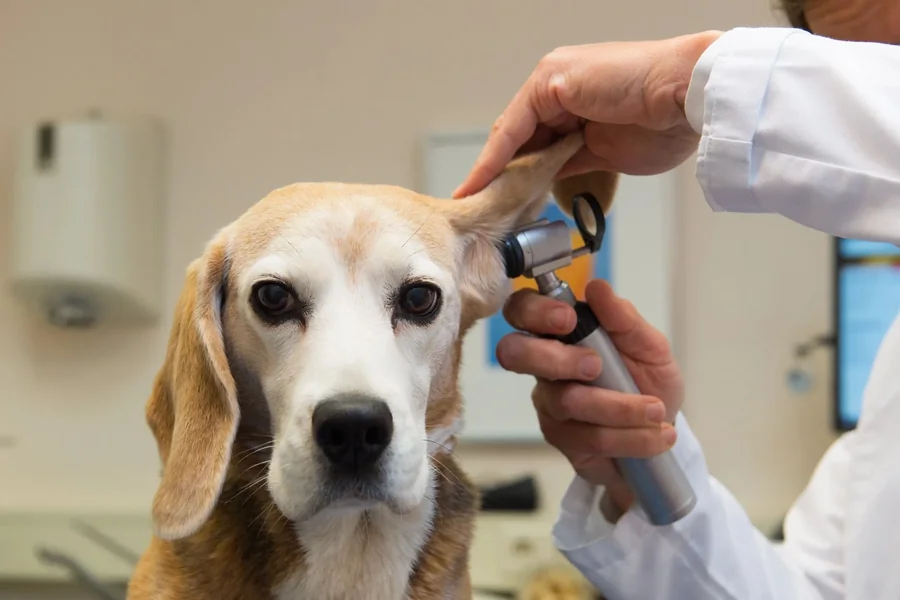
Pets depend on you for everything. Food. Safety. Comfort. You want your pet to stay with you as long as possible. You also want to prevent pain and disease before they start. Animal hospitals give you that support. Regular exams, vaccines, and blood tests catch problems early, when treatment still works. Clean teeth protect the heart and kidneys. Clear weight and diet plans protect joints and energy. Emergency care gives your pet a fighting chance when the worst happens. A Burlington cat and dog veterinarian also watches behavior, mood, and movement. Small changes can signal big trouble. Each visit builds a record of your pet’s health. That record guides every choice, from surgery to simple home care. You do not have to guess. You can act with clear advice and strong medical tools that protect your pet’s body and extend your time together.
Why Regular Checkups Matter
You see your pet every day. That makes slow change hard to spot. An animal hospital looks with fresh eyes and trained hands. That can add years to your pet’s life.
During a routine visit, the care team will usually
- Check weight, heart, lungs, eyes, ears, teeth, and skin
- Ask about food, water, bathroom habits, and sleep
- Review vaccines and parasite prevention
- Suggest blood or urine tests when needed
These steps find problems while your pet still feels normal. The American Veterinary Medical Association explains that regular exams help detect disease early and can improve life span.
Prevention Keeps Pets Strong
Prevention costs less than crisis care. It also means less pain for your pet. Animal hospitals focus on three main prevention tools.
- Vaccines. These protect against rabies, parvo, distemper, and other deadly infections.
- Parasite control. Flea, tick, and heartworm products protect blood, lungs, and skin.
- Spay and neuter. This lowers the risk of some cancers and infections.
The U.S. Centers for Disease Control and Prevention notes that vaccines and parasite control also cut the spread of disease between pets and people.
Dental Care Protects More Than Teeth
Bad breath is not just a smell. It is often a warning sign. Bacteria in the mouth can enter the blood. That can strain the heart, liver, and kidneys.
Animal hospitals provide
- Dental exams during each checkup
- Professional cleanings under careful monitoring
- X rays of the mouth when needed
- Guidance on brushing and safe chews at home
With steady dental care, your pet can eat with ease. You may also avoid tooth loss and organ damage.
Nutrition, Weight, and Everyday Habits
Extra weight shortens life. It puts strain on joints, heart, and lungs. It also raises the chance of diabetes. Yet many owners do not see that their pet is overweight.
Your animal hospital can
- Score your pet’s body condition with a simple chart
- Pick food that matches age, size, and health needs
- Set a clear feeding plan that you can follow
- Offer safe exercise tips for your home and yard
Small changes in food and movement can restore energy. They can also slow joint wear and tear.
Comparing Home Care and Hospital Care
You do a lot at home. An animal hospital adds tools and tests you cannot provide yourself. Both matter. The table below shows how they work together.
| Care Type | Who Does It | Main Purpose | How Often
|
|---|---|---|---|
| Daily feeding and water | You at home | Steady energy and hydration | Every day |
| Exercise and play | You at home | Weight control and mental health | Every day |
| At home brushing | You at home | Clean coat and early skin checks | Several times per week |
| Wellness exam | Animal hospital | Early disease detection | Once or twice per year |
| Vaccines and parasite control | Animal hospital | Prevent infection and infestations | As scheduled |
| Dental cleaning | Animal hospital | Prevent gum disease and tooth loss | Every 1 to 3 years |
| Blood and urine tests | Animal hospital | Check organs before signs appear | Yearly for adults |
Emergency and Urgent Care
Even with strong prevention, sudden sickness or injury can strike. Quick care can mean the difference between recovery and loss.
You should contact an animal hospital right away if your pet
- Struggles to breathe
- Cannot stand or walk
- Has repeated vomiting or diarrhea
- Has bleeding that will not stop
- Ingests poison or a foreign object
- Has a seizure
Emergency teams use oxygen, IV fluids, pain relief, and imaging to stabilize your pet. They also guide you through hard choices with clear facts.
Senior Pets and End of Life Planning
Pets age faster than humans. One year can bring large change. Animal hospitals watch for signs of arthritis, organ disease, and memory change.
Your care team may
- Adjust food and supplements
- Change pain control plans
- Recommend ramps, rugs, or litter box changes
- Help you track comfort and joy in daily life
These steps protect dignity. They also help you decide when treatment still helps and when it causes more harm than good.
Your Role as a Partner in Care
An animal hospital works best when you share what you see at home. You know your pet’s normal mood, play, and habits. The care team knows disease patterns and treatments. Together you form a strong shield.
You can support your pet’s long life when you
- Keep a simple log of appetite, bathroom use, and behavior change
- Bring questions about food, vaccines, and new products
- Follow through on medicine and follow up visits
- Ask for clear words if something feels confusing
Each visit is a chance to protect your pet’s future. With steady care from an animal hospital and steady love from you, pets can live longer, steadier lives with less fear and less pain.