
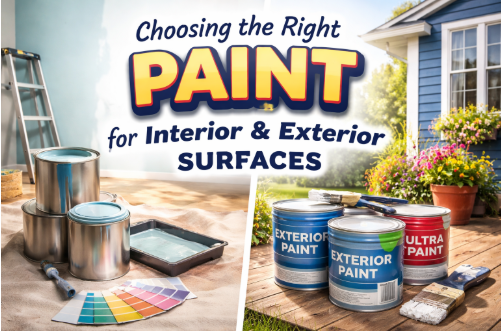
Painting is one of the most effective ways to improve the appearance and durability of any space. Whether it’s refreshing indoor walls or protecting outdoor surfaces, the right paint can make a noticeable difference. Beyond aesthetics, paint plays a vital role in safeguarding surfaces from wear, moisture, and environmental factors.
When selecting interior paint products, it’s important to consider factors such as finish, durability, and maintenance. Similarly, choosing the right exterior solutions ensures that surfaces remain protected against harsh weather conditions while maintaining their visual appeal.
Understanding the Role of Paint in Different Spaces
Paint serves different purposes depending on where it is applied. Indoor surfaces require finishes that enhance comfort and visual appeal, while outdoor surfaces need protection against elements like sunlight, rain, and temperature changes.
Interior paints are designed to provide smooth finishes and easy maintenance. They focus on creating a pleasant environment and are often formulated to resist stains and allow easy cleaning. On the other hand, exterior paints are built to withstand environmental stress and provide long-term durability.
Understanding these differences helps in making better decisions when selecting paint for specific areas.
Types of Interior Paint Finishes
Interior paint finishes play a key role in determining both the appearance and functionality of a space. Matte finishes are commonly used for ceilings and low-traffic areas because they help hide imperfections and provide a soft look.
Eggshell and satin finishes offer a slight sheen and are more durable, making them suitable for living rooms, hallways, and other frequently used spaces. These finishes strike a balance between aesthetics and practicality.
Gloss and semi-gloss finishes are more resistant to moisture and are often used in kitchens, bathrooms, and trim areas. Their durability makes them ideal for surfaces that require frequent cleaning.
Choosing the right finish ensures that indoor spaces remain attractive and easy to maintain.
Choosing Colors for Indoor Spaces
Color selection has a significant impact on how a room feels. Light shades can make spaces appear larger and more open, while darker tones create a more intimate and cozy atmosphere.
Neutral colors are often preferred because they are versatile and work well with various décor styles. Accent colors can be used to highlight specific areas or add personality without overwhelming the space.
Lighting conditions should also be considered, as both natural and artificial light can affect how colors appear throughout the day. Testing shades before final application helps achieve the desired result.
Durability and Maintenance Indoors
Indoor surfaces experience varying levels of wear depending on their location. High-traffic areas such as hallways and living rooms require paints that can withstand frequent use and cleaning.
Washable finishes are particularly useful in maintaining cleanliness without affecting the paint’s appearance. Choosing durable options reduces the need for frequent repainting and helps maintain a fresh look over time.
Proper surface preparation, including cleaning and priming, also contributes to better durability and smoother results.
Understanding Exterior Paint Requirements
Outdoor surfaces face a completely different set of challenges. Exposure to sunlight, moisture, and temperature fluctuations can cause surfaces to deteriorate over time. This is where exterior paint products play a crucial role.
Exterior paints are formulated to resist fading, cracking, and peeling. They provide a protective layer that helps preserve surfaces while maintaining their appearance. These paints are also designed to handle expansion and contraction caused by temperature changes.
Choosing the right exterior paint ensures that surfaces remain strong and visually appealing for longer periods.
Weather Resistance and Protection
One of the most important features of exterior paint is its ability to withstand weather conditions. UV resistance helps prevent fading caused by sunlight, while moisture resistance protects against rain and humidity.
These features are essential for maintaining the integrity of outdoor surfaces. Without proper protection, surfaces can develop cracks, mold, or other forms of damage.
Selecting paint with strong protective properties helps reduce maintenance and extends the lifespan of the surface.
Application Techniques for Best Results
The way paint is applied has a direct impact on the final outcome. Using high-quality tools such as brushes and rollers ensures even coverage and a smooth finish.
Applying multiple thin coats instead of one thick coat helps achieve better results. It allows the paint to dry properly and reduces the chances of streaks or uneven patches.
Weather conditions should also be considered when working on exterior surfaces. Avoiding extreme heat or rain ensures proper adhesion and drying.
Preparing Surfaces for Painting
Preparation is a critical step in any painting project. Cleaning surfaces removes dirt, grease, and old paint that can interfere with adhesion. Repairing cracks and imperfections ensures a smooth base for application.
Priming is especially important when working with new surfaces or making significant color changes. It improves adhesion and enhances the final appearance.
Skipping preparation can lead to uneven coverage and reduced durability, making it an essential part of the process.
Common Mistakes to Avoid
Many people overlook important steps when painting, leading to unsatisfactory results. One common mistake is choosing paint based solely on color without considering durability and finish.
Another issue is applying paint on poorly prepared surfaces. This can result in peeling, cracking, or uneven coverage. Ignoring drying times between coats can also affect the final finish.
Using low-quality materials or tools can further impact the outcome. Taking the time to follow proper techniques helps avoid these problems and ensures better results.
Balancing Aesthetics and Functionality
While appearance is important, functionality should not be ignored. Paint should not only look good but also serve its purpose effectively. Indoor paints should provide comfort and easy maintenance, while outdoor paints should offer protection and durability.
Balancing these factors helps create spaces that are both visually appealing and practical. It also ensures that the investment in painting delivers long-term value.
Final Thoughts
Choosing the right paint involves understanding the specific needs of both indoor and outdoor spaces. From selecting finishes to ensuring proper application, every step contributes to the final result.
By using the right interior paint products and selecting suitable solutions for outdoor surfaces, it becomes easier to achieve durable and visually appealing results. Thoughtful planning and proper techniques ensure that both interior and exterior spaces remain attractive, functional, and well-protected for years to come.