
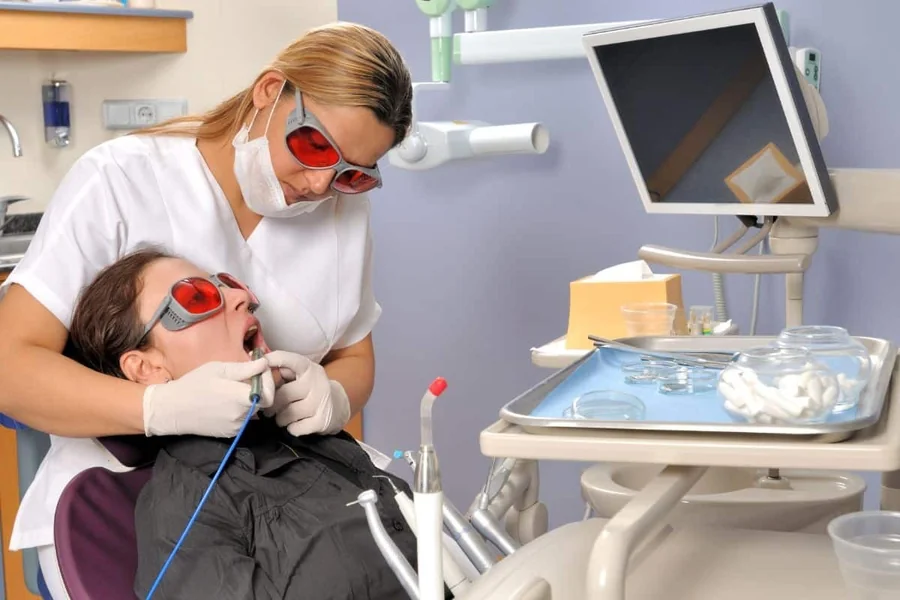
Strong oral hygiene starts at home. You shape your child’s habits long before a toothbrush touches their teeth in a dentist’s chair. When you treat brushing and flossing as a shared daily routine, you teach your child that caring for their mouth is normal, expected, and non‑negotiable. You also lower the chance of cavities, pain, and dental emergencies that can disrupt school, work, and sleep. A trusted family dentist supports your effort and gives you clear steps that match your child’s age and needs. Regular checkups turn fear into trust. Simple cleanings and quick visits replace long, stressful treatment. If you live near a Dentist in Manassas, VA, you can use each visit as a chance to learn, practice, and reset your family’s habits. With steady guidance at home and in the office, you protect your child’s health, confidence, and daily comfort.
Why your family’s oral habits matter
Tooth decay is the most common chronic disease in children. It is more common than asthma. It can cause pain, missed school, and trouble eating. According to the Centers for Disease Control and Prevention, children with poor oral health miss more school days and get lower grades than children with healthy mouths.
You cannot control every risk. You can control daily habits. When your whole family follows the same rules, your child sees oral care as part of life, not a punishment. That simple shift protects teeth and also supports clear speech, steady sleep, and strong self respect.
The three daily habits that protect your child
Focus on three simple actions.
- Brush twice a day with fluoride toothpaste
- Clean between teeth once a day
- Limit sweet drinks and snacks
You do not need special tools or complex routines. You need consistency, clear limits, and support from your dentist.
Brushing made simple for each age
Your child needs your help with brushing longer than many parents expect. Hand skills usually mature around age 7 to 8. Until then you should brush for your child or brush together and finish the job.
| Age group | Who brushes | Toothpaste amount | Key focus
|
|---|---|---|---|
| Baby to 2 years | You brush | Smear of fluoride toothpaste the size of a grain of rice | Wipe gums and teeth. Keep it quick and calm. |
| 3 to 5 years | You lead. Child helps. | Pea sized amount of fluoride toothpaste | Reach all tooth surfaces. Build a set routine. |
| 6 to 8 years | Child brushes. You check and redo spots. | Pea sized amount | Two full minutes. Gentle circles along the gumline. |
| 9 years and older | Child brushes alone. You still monitor. | Pea sized amount | Consistency twice a day. Honest check ins. |
Use a simple rule. If your child cannot write their name in clear print, they cannot brush well on their own yet.
Flossing and cleaning between teeth
Once two teeth touch, cavities can grow between them. A toothbrush cannot reach those tight spaces. You can use floss picks or regular floss. You can also ask your dentist about small brushes for older children with braces.
At first, floss only the teeth that touch. Keep it short and calm. Over time, build up to the whole mouth once a day. Pair it with reading time or a song so it feels expected, not random.
Food, drinks, and cavity risk
Sugar and acid feed the germs that cause cavities. The problem is not only how much your child eats. It is how often teeth get hit with sugar and acid.
| Choice | Effect on teeth | Simple swap
|
|---|---|---|
| Soda or sports drinks | High sugar and acid. Raises cavity risk. | Water or plain milk at meals. |
| Juice in a sippy cup through the day | Constant sugar bath on teeth. | Juice only with meals. Water between. |
| Sticky snacks like gummies | Cling to teeth for hours. | Fresh fruit or nuts if safe for age. |
| Bedtime bottle with milk or juice | Strong link to early childhood cavities. | Only water at bedtime after brushing. |
Try three food rules.
- Limit sweet drinks to mealtimes
- Offer water between meals
- Keep snacks simple and quick to eat
How family dental visits build trust
When you see a family dentist, your child watches you in the chair. They see you open your mouth, answer questions, and stay calm. That quiet modeling can matter more than any cartoon or toy.
Use each visit to do three things.
- Ask for a clear home plan that fits your child’s age
- Check if fluoride treatments or sealants make sense
- Review any trouble with brushing, flossing, or food
Sealants are thin coatings that your dentist paints on the chewing surfaces of back teeth. The American Dental Association explains how sealants lower the risk of cavities in children and teens.
Sample family routine for strong habits
You can shape a simple plan for your home.
- Morning. Brush teeth after breakfast. Use fluoride toothpaste. Rinse and put brushes where children can reach.
- After school. Offer water first when your child comes home. Keep sweet snacks for set times, not constant grazing.
- Evening. Brush and floss before bed. No food or drinks after brushing except water.
For children who resist, use clear choices. You might say, “We brush teeth now. Do you want the blue toothbrush or the green one” instead of “Do you want to brush”. You still hold the line. Your child controls the small parts.
When to call your dentist
Call your family dentist if you see any of these signs.
- White or brown spots on teeth
- Red, puffy, or bleeding gums
- Bad breath that does not improve with brushing
- Pain when chewing or drinking cold liquids
- Teeth grinding that disrupts sleep
Do not wait for severe pain. Early care is simpler, shorter, and less scary for your child.
Putting it all together
Strong oral hygiene habits do not appear on their own. You build them through small daily actions and steady rules. You model the behavior. Your child follows. Your family dentist backs you up with clear guidance and early care.
With this partnership, you lower the risk of cavities. You protect your child’s sleep, school performance, and comfort. You also show your child that their body deserves care and respect. That lesson can last far beyond the dentist’s chair.