
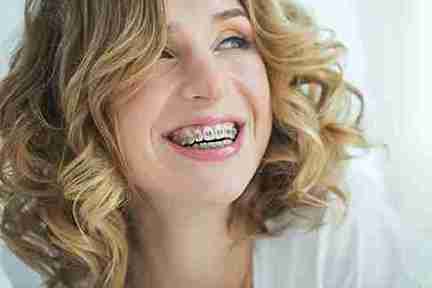
Orthodontic treatment has evolved far beyond the familiar image of metal brackets and wires. While braces remain an effective solution for straightening teeth, modern dentofacial care takes a far more comprehensive approach. Today’s orthodontics focuses not only on tooth alignment, but also on jaw position, facial balance, bite stability and long-term comfort.These advances have transformed how both children and adults experience treatment. By combining technology, biomechanics and personalised planning, dentofacial care now addresses the root causes of many functional problems rather than just their visible symptoms. This shift is helping patients achieve healthier, more stable outcomes that support overall wellbeing, not just aesthetics.
What Is Dentofacial Care? A Modern Perspective
Dentofacial care focuses on improving how the teeth, jaws and facial structures function together, rather than simply straightening teeth. By addressing underlying skeletal relationships, this approach supports better bite function, facial balance and long-term comfort. Many ongoing dental problems are linked to jaw imbalance, which cannot always be resolved through braces alone. Dentofacial care provides a more comprehensive and preventative solution, tailored to individual needs.
Key concerns dentofacial care can address include:
- Jaw discomfort and bite instability
- Uneven tooth wear
- Airway restriction affecting breathing
- Repeated orthodontic relapse
With guidance from an experienced orthodontist Stevenage, treatment is personalised to anatomy, growth stage and functional goals, delivering corrective care with lasting benefits.
The Limitations of Traditional Braces Alone
Traditional braces remain highly effective for correcting mild to moderate alignment issues. However, they have limitations when used in isolation.
Braces alone may struggle to address:
- Jaw position discrepancies
- Facial asymmetry
- Bite instability caused by skeletal imbalance
- Chronic jaw or muscle discomfort
In these cases, straightening teeth without addressing jaw relationships can lead to temporary improvements followed by relapse or ongoing discomfort. Modern dentofacial care bridges this gap by treating the foundation of the bite rather than just the surface alignment.

Key Modern Advances in Dentofacial Treatment
1. Digital Imaging and 3D Treatment Planning
One of the most significant advancements in dentofacial care is the use of digital imaging and 3D planning. High-resolution scans allow orthodontists to analyse teeth, jaws and facial structure with exceptional accuracy.
Benefits include:
- Precise diagnosis of skeletal and dental issues
- Visual simulations of treatment outcomes
- Improved patient understanding and confidence
This technology enables proactive planning, reducing unnecessary adjustments and improving overall efficiency.
2. Functional Orthopaedic Appliances
Functional appliances are designed to guide jaw position rather than simply move teeth. They are commonly used during growth phases but can also benefit adults in selected cases.
These appliances help:
- Improve jaw alignment
- Reduce strain on jaw joints
- Support balanced bite development
They are often combined with braces or aligners to achieve stable, long-term results.
3. Clear Aligner Integration with Dentofacial Care
Clear aligners have become an integral part of modern orthodontics. When combined with dentofacial principles, aligners can support both alignment and bite correction.
Advantages include:
- Discreet appearance
- Improved comfort
- Flexible wear schedules for adults
Aligners are particularly popular among adults seeking functional improvements without visible appliances.
4. AI and Technology in Dentofacial Orthodontics
Artificial intelligence is increasingly used to analyse data, predict tooth movement and refine treatment plans. AI-assisted systems help orthodontists anticipate challenges and optimise force application.
This results in:
- Shorter treatment times in many cases
- Fewer emergency adjustments
- More predictable outcomes
During treatment, access to an emergency dentist in Stevenage offers additional reassurance if unexpected appliance issues arise.
5. Dentofacial Care and Airway Health
Modern dentofacial care also considers the relationship between jaw position and airway function. A narrow palate or retruded jaw can restrict airflow, contributing to mouth breathing, snoring or poor sleep quality. By improving jaw alignment and palate width, dentofacial treatment may:
- Support healthier nasal breathing
- Reduce airway restriction
- Improve overall comfort during sleep
This holistic perspective highlights how orthodontic care can influence more than just dental appearance.
6. Functional and Health Benefits Beyond Aesthetics
While a straighter smile is often the most visible outcome, dentofacial care delivers a range of functional benefits.
Key advantages include:
- Reduced jaw pain and muscle tension
- Improved chewing efficiency
- Less uneven tooth wear
- Clearer speech in some cases
- Greater long-term stability
Patients who previously relied on temporary fixes often experience lasting relief once underlying structural issues are addressed. Regular monitoring by an orthodontist Stevenage ensures these improvements are maintained over time.
Who Is an Ideal Candidate for Modern Dentofacial Care?
Dentofacial care is suitable for a wide range of patients, particularly those whose concerns go beyond cosmetic alignment.
Ideal candidates often include:
- Adults with long-standing bite problems
- Patients with repeated orthodontic relapse
- Individuals experiencing jaw discomfort or headaches
- Those with noticeable facial imbalance
An assessment helps determine whether dentofacial care is appropriate or whether traditional orthodontics alone will suffice.
What to Expect from a Dentofacial Assessment
A dentofacial assessment is more detailed than a standard orthodontic consultation. It focuses on understanding how the teeth, jaws and facial structures interact.
A typical assessment may include:
- Bite and jaw relationship analysis
- Digital scans and X-rays
- Facial balance evaluation
- Discussion of functional symptoms
This comprehensive approach allows for a personalised treatment plan that prioritises comfort, stability and long-term success. Throughout treatment, access to an emergency dentist in Stevenage ensures prompt care if urgent dental concerns arise.

The Future of Dentofacial Orthodontics
Dentofacial care continues to evolve as technology advances. Future developments are likely to focus on even greater personalisation, faster treatment timelines and enhanced patient comfort. Digital tools, AI and interdisciplinary collaboration will play an increasing role in delivering precise, patient-centred care.As awareness grows, more patients are recognising that orthodontics is not just about straight teeth, but about achieving balance, function and lasting oral health.
Conclusion
Modern dentofacial care represents a significant step forward in orthodontics, moving beyond braces to address the full complexity of the bite and facial structure. By combining advanced technology with a functional, long-term perspective, this approach delivers benefits that extend far beyond aesthetics. Patients experience improved comfort, stability and confidence through personalised care that targets the root causes of their concerns. Choosing advanced dentofacial solutions in Stevenage ensures expert guidance, thoughtful planning and outcomes designed to last well into the future.