
Exploring New Paths to Healing
Addiction recovery is not one-size-fits-all. While some individuals thrive in traditional counseling environments, others find deeper healing through hands-on, experience-based approaches. One increasingly popular option is adventure therapy for treatment of substance use disorder—a form of experiential therapy that combines physical activity, teamwork, and outdoor exploration to support emotional growth and long-term sobriety. Traditional talk therapy remains an essential foundation in addiction treatment, but adventure therapy offers a unique, complementary way to process emotions, build confidence, and rediscover purpose.
What Is Traditional Talk Therapy?
Traditional talk therapy—often referred to as psychotherapy—is the cornerstone of most addiction treatment programs. It involves structured, confidential conversations between a client and a licensed therapist. The goal is to help individuals identify negative thought patterns, explore the roots of their addiction, and develop healthier coping strategies. Common forms include:
- Cognitive Behavioral Therapy (CBT): Focuses on identifying and changing harmful thinking and behavior patterns.
- Dialectical Behavior Therapy (DBT): Emphasizes emotional regulation, mindfulness, and distress tolerance.
- Motivational Interviewing (MI): Encourages self-motivation and commitment to recovery goals.
- Trauma-informed therapy: Helps clients process past trauma that may have contributed to substance use.
According to the American Psychological Association (APA), talk therapy is one of the most effective treatments for substance use disorders because it helps clients gain insight, accountability, and the tools to manage triggers and cravings.
What Is Adventure Therapy?
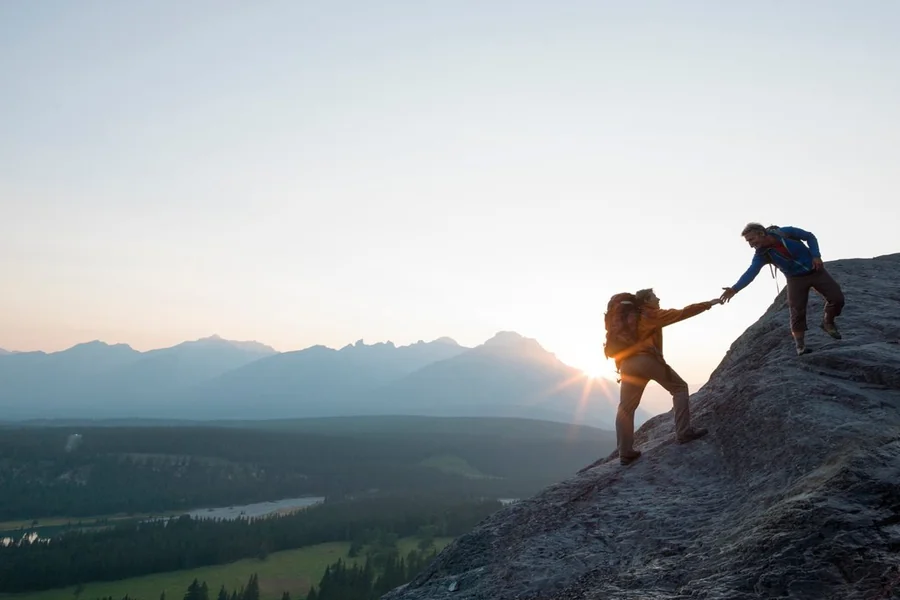
Adventure therapy is an experiential, nature-based approach that uses physical activities and group challenges as therapeutic tools. Rather than sitting in an office, clients engage in hands-on experiences such as hiking, rock climbing, kayaking, ropes courses, or team-building exercises. Each activity is facilitated by trained professionals who help participants reflect on their experiences and connect them to their recovery goals.
At its core, adventure therapy is about growth through challenge. It encourages participants to step outside their comfort zones, confront fears, and build resilience—all skills that directly translate to overcoming addiction. By facing real-world challenges in a supportive environment, clients gain self-confidence and learn that they are capable of change.
Key Differences Between Adventure Therapy and Talk Therapy
1. Environment and Experience
The most obvious difference lies in the setting. Talk therapy typically occurs in an office or clinical environment, while adventure therapy takes place outdoors or in experiential settings. Nature itself becomes part of the healing process—offering calm, perspective, and a sense of freedom. Research shows that exposure to natural environments can lower stress hormones, improve mood, and enhance overall mental health.
2. Active vs. Reflective Engagement
Talk therapy focuses on reflection and conversation, allowing clients to process emotions verbally. Adventure therapy, on the other hand, involves physical action that naturally elicits emotional responses. Climbing a wall or completing a group challenge can reveal patterns of fear, trust, or self-doubt that may not surface in a traditional therapy session. These insights are then discussed and processed, creating a powerful blend of physical and psychological healing.
3. Focus on Group Dynamics
While traditional therapy may be one-on-one or in group sessions, adventure therapy inherently involves teamwork. Participants must communicate, cooperate, and rely on one another to complete activities. This builds interpersonal skills and trust—key components in recovery, where isolation and disconnection are common struggles.
4. Building Resilience Through Action
Adventure therapy provides tangible experiences of success. Each challenge conquered serves as proof that progress is possible. This sense of achievement can boost self-esteem, which is often damaged by addiction. Talk therapy reinforces these lessons intellectually, while adventure therapy allows individuals to feel them physically and emotionally.
5. Mind-Body Connection
Addiction affects both the mind and the body, and healing requires addressing both. Adventure therapy emphasizes mindfulness through movement and nature immersion, helping clients reconnect with their bodies and regulate emotions. The physical activity releases endorphins, improving mood and reducing anxiety—important factors in preventing relapse.
How Adventure Therapy Supports Long-Term Recovery
Adventure therapy isn’t just about outdoor fun—it’s a structured, evidence-informed treatment that complements traditional methods. By integrating experiential activities with reflection and counseling, clients develop stronger coping mechanisms and a deeper sense of purpose. It also helps:
- Reduce stress and emotional tension
- Encourage self-awareness and accountability
- Promote healthy social interactions
- Enhance problem-solving and communication skills
- Build motivation for continued recovery
Many individuals who struggle to engage in talk therapy find adventure therapy to be more accessible and rewarding. It transforms recovery into an active, empowering journey rather than a purely clinical process.
XPlore Recovery: Healing Through Experience
XPlore Recovery incorporates adventure therapy as part of a comprehensive, evidence-based approach to addiction treatment. By combining clinical therapies with outdoor experiences, their programs help clients rediscover their strength, reconnect with others, and rebuild their sense of self. The goal is not just sobriety—it’s personal transformation and lasting resilience.
Taking the Next Step Toward Healing
Whether through traditional counseling, experiential programs, or a combination of both, recovery is about finding what works best for each individual. Adventure therapy provides an engaging and empowering alternative for those seeking deeper connection and growth in their healing process. If you or someone you love is ready to explore new ways to recover, reach out to a trusted provider today. The journey toward freedom can begin with one step—both on the trail and in life.