
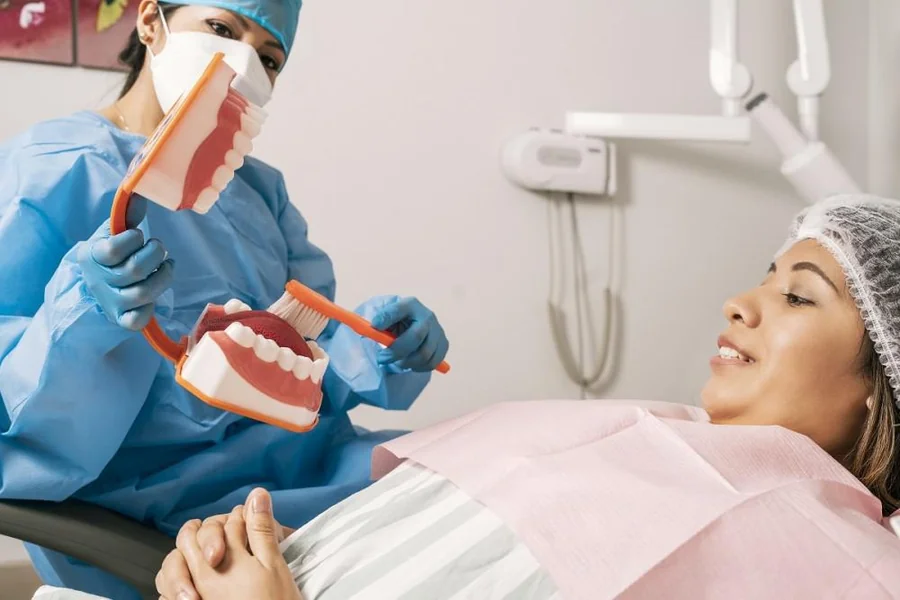
Dental costs can feel crushing. You may worry each visit will bring another big bill. Preventive dentistry changes that pattern. Regular checkups, cleanings, and simple treatments stop small problems before they grow into painful emergencies. You save natural teeth. You avoid root canals, extractions, and expensive crowns. You also protect your time, energy, and peace of mind. Every cavity you prevent, every gum infection you stop early, shrinks your long term costs. Today, new tools such as laser dentistry in West Des Moines help make preventive care more precise and more comfortable. Yet the core message stays the same. When you act early, you pay less. This blog explains how routine care, home habits, and smart choices work together to cut dental bills. You will see how steady prevention supports your health and your budget.
Why small dental problems grow into big bills
Tooth decay and gum disease start quietly. A soft spot in the enamel. A little bleeding when you brush. You may feel nothing. Then time passes. Bacteria spread. The cavity reaches the inner tooth. Gums pull away from roots. The bone starts to thin. At that point, you face urgent care and higher costs.
According to the Centers for Disease Control and Prevention, untreated cavities are common in children and adults. Many of these teeth could have stayed healthy with early care. Each missed cleaning or skipped exam lets damage build. You pay later with longer visits, shots, and complex work.
How prevention cuts costs step by step
Preventive dentistry uses three simple steps. You can start each one now.
- Home care every day
- Routine office visits
- Early, low cost treatments
At home, you brush two times a day with fluoride toothpaste. You clean between your teeth. You limit sugary drinks and snacks. These habits keep the sticky film on teeth from turning into hard tartar.
At the office, the team checks your teeth, gums, tongue, and jaw. A cleaning clears tartar that brushing cannot touch. X-rays, when needed, show decay between teeth or under fillings. The dentist can then fix a tiny cavity with a small filling instead of a crown or a root canal.
Cost comparison: prevention versus treatment
Prevention often costs less than one emergency visit. The numbers below are sample ranges, not exact prices. They show how early care protects your wallet.
| Type of care | Example service | Typical frequency | Approximate cost range | What it may prevent
|
|---|---|---|---|---|
| Preventive | Exam and cleaning | Every 6 months | $75 to $200 per visit | Large cavities and gum disease |
| Preventive | Fluoride treatment | Yearly or for high risk | $20 to $50 | Early decay on many teeth |
| Preventive | Dental sealant on child molars | Once per new molar | $30 to $60 per tooth | Deep cavity in a back tooth |
| Treatment | Filling for small cavity | As needed | $150 to $300 per tooth | Root canal and crown |
| Treatment | Root canal and crown | As needed | $1,000 to $2,500 per tooth | Extraction and tooth loss |
| Treatment | Extraction and replacement | As needed | $200 to $6,000 or more | Shifting teeth and bite issues |
One missed cleaning can lead to a chain of rising costs. A twenty-minute preventive visit can spare you hours in the chair later.
Benefits for children, adults, and older adults
Prevention helps every age in different ways.
- Children. Sealants, fluoride, and early teaching prevent a lifetime of decay.
- Adults. Regular care keeps fillings small and gums firm, so you can work and care for your family without pain.
- Older adults. Steady cleanings protect teeth around bridges, implants, and partials. This lowers the risk of costly repairs.
The National Institute of Dental and Craniofacial Research reports that tooth loss often begins with untreated decay and gum disease. You can slow or stop this loss with consistent prevention.
How to build a simple preventive routine
You can start with three daily steps.
- Brush two times with fluoride toothpaste for two minutes.
- Clean between teeth with floss or another tool one time.
- Drink water throughout the day, especially after meals.
Next, you pick a dental home. You schedule exams and cleanings two times a year, or as your dentist suggests. You share your health history and all medicines. You ask about your risk for decay and gum disease. You also ask which low-cost steps fit your needs.
Using modern tools to support prevention
Many offices now use digital X-rays, light-based cavity checks, and laser treatment for gums and small spots of decay. These tools often find problems earlier. They can reduce the need for shots and drilling. They can also shorten healing time. Early care still matters most. New tools simply help the team act even sooner and with more comfort.
When money is tight
If you do not have dental coverage, you still have options. You can ask about payment plans. You can call community health centers or dental schools that offer lower-cost care. You can also focus on the strongest habits at home. Clean teeth and healthy gums need less work. That cuts long-term costs even when money feels scarce.
Key message for your family
Every checkup you schedule is an act of protection. You protect your teeth from damage. You protect your body from infection. You also protect your household budget from sudden, heavy bills. Small, steady steps today cost less than urgent care tomorrow. When you keep up with preventive dentistry, you give your family fewer surprises, fewer missed days, and more calm.