
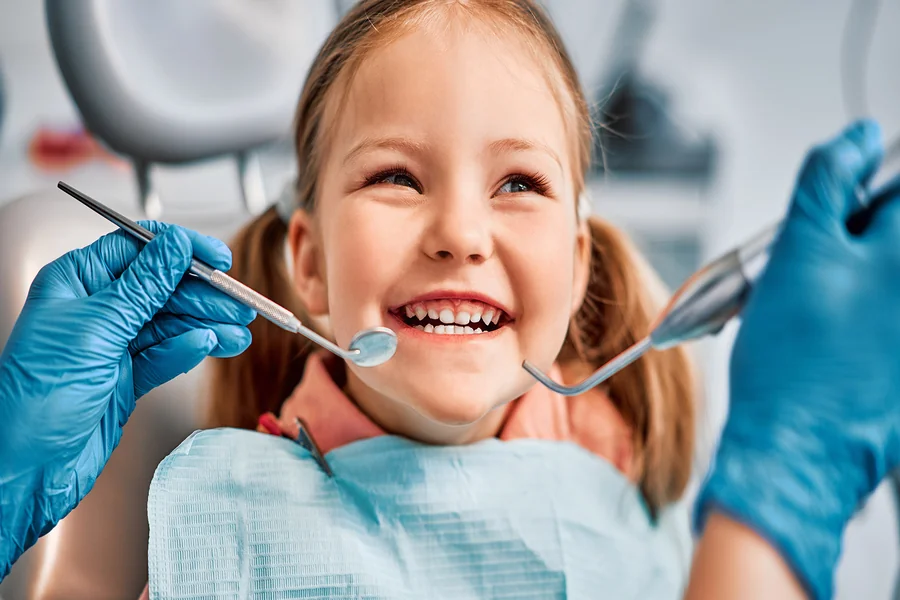
Children are not small adults. Their mouths grow fast. Their fears run deep. Their needs change every few months. You want someone who understands that. A Cary pediatric dentist completes years of extra training that focus only on children. This training covers baby teeth, growth, behavior, and safe pain control for young bodies. It prepares the dentist to calm a crying toddler, guide a nervous teen, and support a child with special needs. It also teaches how to spot early warning signs that others may miss. Early problems can turn into lifelong pain. Care from a trained pediatric dentist can stop that path. You gain a clear plan. Your child gains trust and comfort in the chair. That trust can shape how your child feels about dental care for life.
What Specialized Pediatric Training Includes
Pediatric dentists complete dental school. Then they finish extra years of focused training. That training centers on three core pieces.
- Child growth and tooth development
- Behavior guidance and anxiety control
- Safe use of medicines and pain control for young bodies
They learn how baby teeth form and when they fall out. They study jaw growth and how habits like thumb sucking shape the bite. They train in child psychology so they can read fear, confusion, or anger. They also study medical issues seen in childhood, such as heart defects or bleeding problems. That knowledge guides every choice during care.
The American Academy of Pediatric Dentistry explains how this training supports safe care for infants, children, and teens.
Why Children Need Different Dental Care
Your child’s mouth changes every year. Baby teeth appear, then fall out. Adult teeth move into place. The jaw grows. The bite shifts. A choice that works for an adult may harm a growing mouth.
Three key differences stand out.
- Baby teeth have thinner enamel and can decay faster.
- Nerves in children’s teeth react in different ways to injury or infection.
- Small mouths need smaller tools and different care plans.
The Centers for Disease Control and Prevention notes that cavities remain one of the most common chronic health problems in children. You can see data on childhood tooth decay at the CDC children’s oral health page.
General Dentist vs Pediatric Dentist
Both general and pediatric dentists protect teeth. Yet their training and daily focus differ. This affects the care your child receives.
| Feature | General Dentist | Pediatric Dentist
|
|---|---|---|
| Extra training after dental school | Not always focused on children | 2 to 3 years focused only on infants, children, and teens |
| Primary patient group | Adults and older teens | Babies, children, teens, and some adults with special needs |
| Behavior guidance | Basic skills | Advanced training in child behavior and fear control |
| Office setup | Standard adult layout | Child-sized tools, child-friendly layout, sensory-aware spaces |
| Care for special health needs | Varies by provider | Routine care for children with medical and developmental needs |
| Pain and anxiety control | Adult focused | Specific training in safe use for children |
How Specialized Training Protects Your Child
Specialized training affects three parts of each visit.
1. Safety during treatment
- Correct medicine doses for a child’s weight and age
- Knowledge of how health problems affect care
- Fast response if something goes wrong
Pediatric dentists practice emergency drills. They review medical histories in detail. They select treatments that respect young bodies.
2. Comfort and fear control
- Clear, simple words that match your child’s age
- Step by step visits so nothing feels sudden
- Tools and chairs sized for small mouths and small bodies
Children who feel heard and safe learn that dental visits are normal. That belief lowers fear and stops future avoidance.
3. Early detection of problems
- Spotting enamel defects before they crumble
- Seeing early crowding that may need braces later
- Finding habits that harm teeth, such as grinding or mouth breathing
Early action often means shorter, simpler treatment. It also protects your child from long-term pain.
Support for Children With Special Health Needs
Some children live with autism, ADHD, sensory issues, heart disease, or other conditions. Dental visits can feel harsh or confusing. Pediatric dentists train to adjust care for these children.
- Extra time for each visit
- Quiet rooms or dimmer lights when needed
- Visual schedules and social stories
- Closer work with your child’s doctors
This support builds trust. It also protects health. Children with complex needs often face a higher risk of cavities or gum problems. Skilled care lowers that risk.
What You Can Do as a Parent or Caregiver
You play a strong role in your child’s dental experience. Three steps help most.
- Choose a dentist with pediatric specialty training.
- Schedule the first visit by your child’s first birthday.
- Keep regular checkups every six months.
Before each visit, talk with your child in simple terms. Explain what will happen. Answer questions with calm honesty. Share your child’s fears and health history with the dentist. Ask about fluoride, sealants, or diet changes that can cut the risk of decay.
Why Specialized Care Matters for a Lifetime
Early dental care shapes more than teeth. It shapes how your child feels about health care in general. A pediatric dentist uses training to create three lasting results.
- Healthy baby and adult teeth
- Lower fear of dental visits
- Strong habits for brushing, flossing, and diet
Those results follow your child into adulthood. They mean fewer missed school days, less pain, and more comfort with every smile. Specialized training in pediatric dental care is not a luxury. It is a direct way to protect your child’s health and confidence now and later in life.