
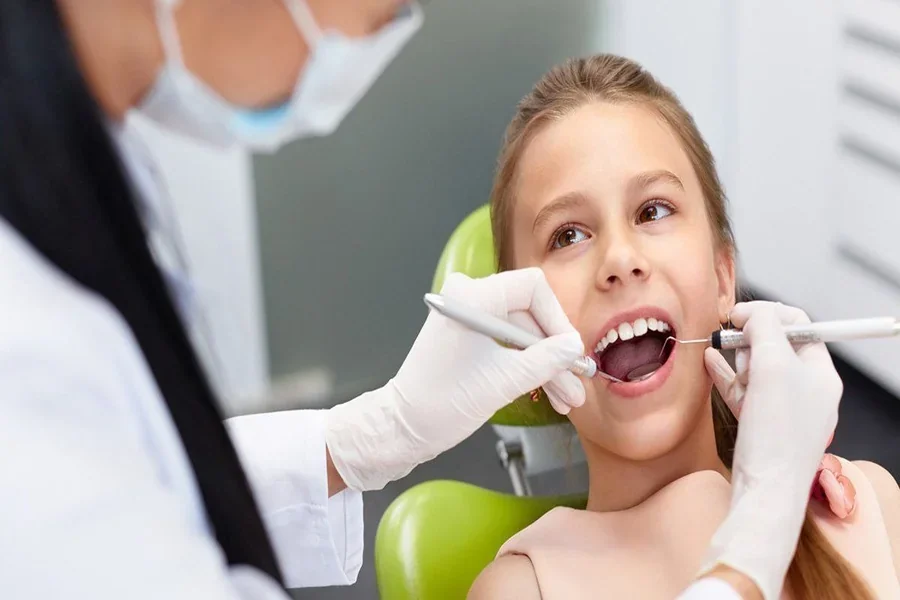
You want your family to get regular dental care without stress. That is hard when everyone has different needs, schedules, and fears. Multigenerational dental care brings children, parents, and grandparents into one plan. You see one trusted team. You share one clear schedule. You hear one simple message about prevention. This approach removes confusion. It also cuts delays that often lead to pain and higher costs. A Lutz dentist who treats several generations together can spot shared risks early, teach habits that fit your family, and build trust over time. This steady support keeps small problems from turning into emergencies. It also helps older adults keep teeth longer and helps children grow up without fear of the chair. When your whole family is included, you are more likely to keep appointments, ask hard questions, and get the preventive services you deserve.
Why Preventive Dental Care Matters For Every Age
Preventive care means regular checkups, cleanings, fluoride, sealants, and simple advice you can use at home. You use it to stop disease before it starts. You also use it to catch small trouble while it is easy to treat.
The Centers for Disease Control and Prevention explains that untreated cavities and gum disease are common in children and adults. These problems can affect eating, speech, school, work, and sleep.
When your whole family follows the same prevention plan you see three clear gains.
- You catch problems earlier.
- You lower pain and emergency visits.
- You protect overall health for every generation.
What Multigenerational Dental Care Looks Like
Multigenerational care means one office plans for all ages. You bring your toddler, your teenager, yourself, and your parents to the same place. The team knows your family story. The team tracks health patterns and uses them to guide care.
In one visit you might see:
- A child getting sealants on new molars.
- A teen getting a mouthguard for sports.
- A parent getting a gum check and cleaning.
- A grandparent getting support for dry mouth and denture care.
Each person has different needs. Yet you still hear one clear message about brushing, flossing, diet, and checkups. That unity makes it easier to follow through.
How One Office Improves Access To Preventive Services
Many families face the same barriers. You may feel short on time. You may lack transport. You may feel fear or shame. Multigenerational care tackles these problems in a direct way.
First, you save time. You can group appointments on the same day. You can match times with work, school, and caregiving duties. You spend less time off work and less time in traffic.
Second, you gain trust. When your child sees you in the chair, calm and steady, fear drops. When you see a grandparent treated with respect, your own stress drops. That shared trust makes it easier to come back.
Third, you get clear guidance. One team sees how home habits spread across generations. The team can suggest small changes that fit your whole household. You do not need to sort out mixed messages from multiple offices.
Differences In Preventive Needs By Age
Every age group needs preventive care. Yet the focus changes as you move through life. The National Institute of Dental and Craniofacial Research gives age based guides you can review.
The table below shows how a multigenerational dentist can match services to each stage while keeping your family in one system.
| Life stage | Main preventive need | Common risk | How one family dentist helps
|
|---|---|---|---|
| Young children | Sealants, fluoride, early habit coaching | Early cavities, fear of the chair | Uses parents as models. Sets gentle first visits. Tracks baby to adult teeth. |
| Teens | Cleanings, sports mouthguards, diet talks | Sugary drinks, sports injuries, missed visits | Links visits to school and sports. Uses family rules on snacks and drinks. |
| Adults | Gum checks, cleanings, cavity checks | Stress, smoking, grinding, missed care | Connects adult habits to child and elder health. Plans shared schedules. |
| Older adults | Dry mouth care, denture checks, cancer checks | Tooth loss, root decay, trouble chewing | Works with medical teams. Uses family support for transport and reminders. |
Shared Habits That Protect Every Generation
When one office guides your family, you can build simple shared habits.
You can start with three daily steps.
- Brush twice with fluoride toothpaste.
- Clean between teeth once.
- Limit sugary snacks and drinks to mealtimes.
Then you add three clinic steps.
- Set regular checkups for every person.
- Complete cleanings as often as the dentist suggests.
- Ask about sealants for children and gum checks for adults.
When everyone follows the same rules, no one feels singled out. Children see that grandparents and parents brush and show up for visits. Older adults see that children protect their teeth early. That shared effort creates pressure to keep doing the right thing.
Cost, Emergencies, And Long Term Protection
Preventive services cost less than fillings, crowns, or extractions. They also reduce lost work days and school days. When you skip checkups, you risk sudden infection, swelling, or broken teeth. Those events can mean urgent visits, long waits, and higher bills.
One multigenerational office can track patterns like repeated cavities or gum disease. The team can step in early with extra fluoride, sealants, or cleanings. The team can also help you plan payment and insurance use across the year so no one is forced to wait.
For older adults, regular checks protect more than teeth. Gum disease links to heart disease and diabetes control. Dry mouth from medicines raises cavity risk. When the same dentist sees parents and grandparents, small changes in health stand out faster.
How To Start Multigenerational Dental Care
You can move your family into this kind of care with a few clear steps.
- Ask if the office treats young children, adults, and older adults.
- Check if they can group family visits on the same day.
- Share your family health history and any fears.
- Set a shared reminder system for all visits.
- Review preventive goals together once a year.
You do not need perfection. You only need steady steps. Each on time checkup is one less chance for quiet disease to grow.
Closing Thoughts
Multigenerational dental care turns scattered visits into one clear plan. You gain one trusted team, one message, and one shared schedule. You also gain stronger habits, lower costs, and fewer emergencies.
When you bring children, parents, and grandparents into the same circle of care, you protect more than smiles. You protect comfort, confidence, and dignity at every age.