
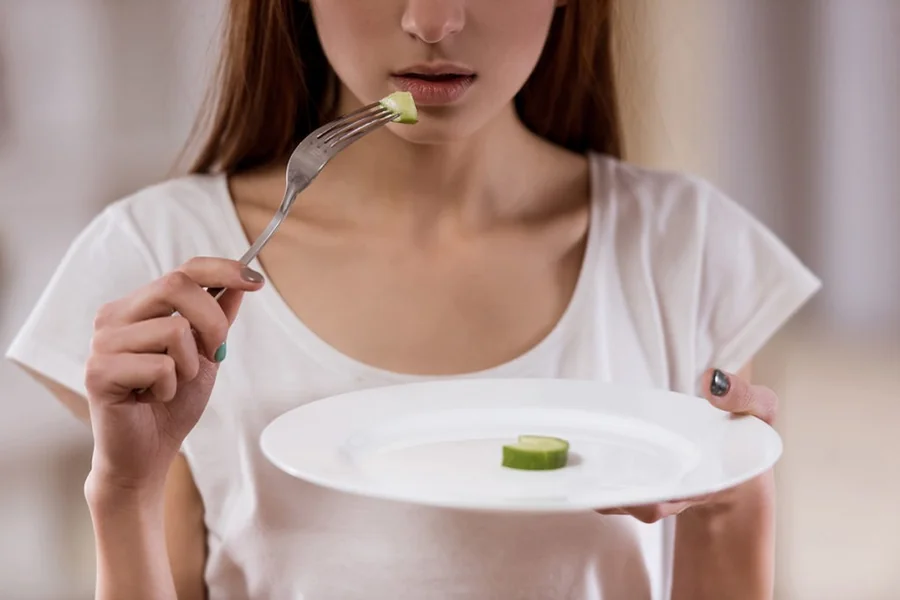
A Complex and Often Overlooked Connection
Eating disorders and substance use disorders may seem distinct, but they frequently overlap—especially among women. Both conditions share common emotional, psychological, and biological roots, making dual diagnosis cases more common than most realize.
According to the National Institute on Drug Abuse (NIDA), nearly 50% of individuals with an eating disorder also struggle with substance misuse at some point in their lives. This connection underscores the need for integrated, specialized treatment that addresses both disorders simultaneously. For women, who face unique social pressures and physiological risk factors, this overlap can be particularly challenging.
Why Eating Disorders and Addiction Often Co-Occur
The intersection between eating disorders and addiction stems from shared risk factors. These include genetics, trauma, co-occurring mental health disorders, and environmental stressors.
1. Coping with Emotional Pain
Both eating disorders and substance use are often ways of coping with emotional distress. Women facing anxiety, depression, or unresolved trauma may use restrictive eating, bingeing, purging, or substance use as temporary relief. Over time, these behaviors can become deeply ingrained coping mechanisms that feel impossible to control.
2. Brain Chemistry and Reward Pathways
Research shows that both disorders affect the brain’s reward system in similar ways. Substances like alcohol or stimulants can trigger dopamine release—just as behaviors associated with disordered eating can. This creates cycles of craving and reinforcement that make recovery more complex.
3. Societal and Cultural Pressures
Women often face intense cultural pressures surrounding body image, appearance, and success. These expectations can increase the risk of both eating disorders and substance use, particularly when low self-esteem or perfectionism is present. Social environments that normalize dieting, drinking, or stress avoidance can further reinforce these behaviors.
The Importance of Integrated Treatment for Women
When eating disorders and addiction occur together, treating one without addressing the other is rarely effective. Recovery requires a comprehensive, trauma-informed approach that considers the full picture of a woman’s physical and emotional health.
Integrated treatment programs typically include:
- Medical and nutritional stabilization to restore the body’s health
- Psychotherapy such as Cognitive Behavioral Therapy (CBT) or Dialectical Behavior Therapy (DBT) to address thought patterns and emotions
- Trauma-informed care to process past experiences that contribute to self-destructive behaviors
- Medication management for co-occurring mental health conditions
- Peer and family support to foster accountability and understanding
Women benefit from safe, gender-specific spaces that encourage openness, community, and empowerment throughout the healing process.
Why Gender-Specific Treatment Matters
Women experience addiction and eating disorders differently than men. Hormonal differences, body image issues, and social expectations play a significant role in how these disorders manifest and how recovery should be approached.
Gender-specific treatment programs offer a nurturing and supportive environment where women can connect through shared experiences. These settings emphasize emotional safety, body acceptance, and the rebuilding of self-worth—elements essential to sustainable healing.
Casa Serena: Compassionate Care for Dual Diagnosis Recovery
Casa Serena, a leading provider of women’s mental health and addiction care, offers an integrative approach to healing through its women’s eating disorder treatment program. Their team recognizes that recovery from both addiction and disordered eating requires compassionate, individualized care that supports the whole person.
By combining evidence-based therapy, nutritional counseling, trauma recovery, and relapse prevention, Casa Serena helps women rebuild their relationships with food, body, and self. Their supportive community environment empowers clients to heal from the inside out and develop healthy, sustainable habits for lifelong recovery.
Taking the First Step Toward Healing
If you or someone you love is struggling with both an eating disorder and addiction, know that you’re not alone—and that full recovery is possible with the right support. Look for integrated programs that understand the complexities of dual diagnosis and can provide comprehensive, gender-responsive care.
Healing begins when women feel seen, supported, and safe to reclaim their lives—one step at a time.