
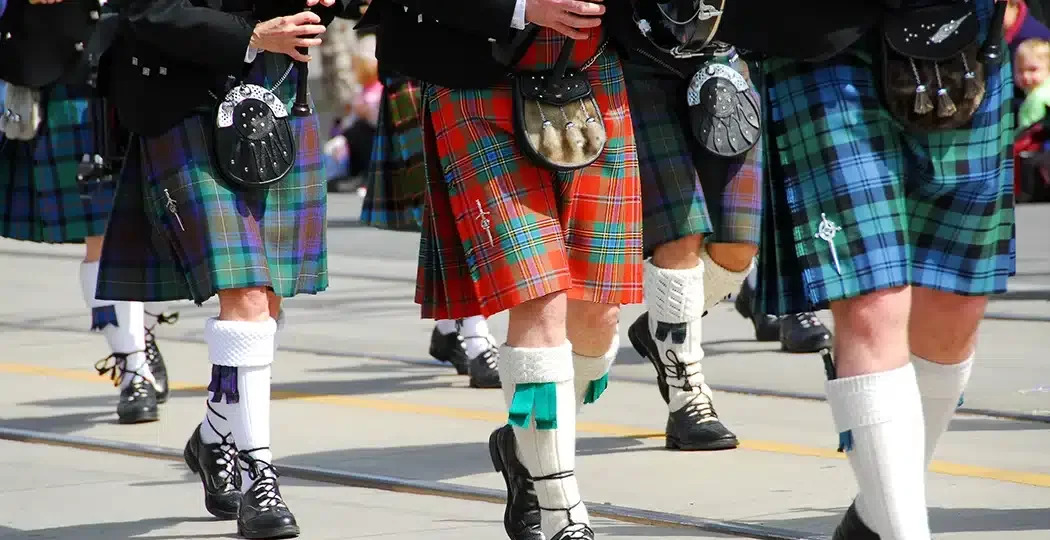
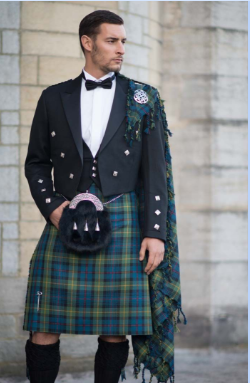
Wearing a kilt to a formal event can grow confidence for many. Whether you’re heading to a black-tie wedding, a gala, or a big celebration, knowing how to style your kilt can set you apart from the crowd.
Many first-timers worry about rules: What jacket do I need? Is this tartan allowed? Where does the kilt pin go? With the right guidance, anyone can look sharp, feel comfortable, and honor tradition. No matter their Scottish roots.
This blog walks you step-by-step through building a picture-perfect Highland outfit, so you walk in with pride and zero doubt.
Understanding Formal Kilt Dress Codes
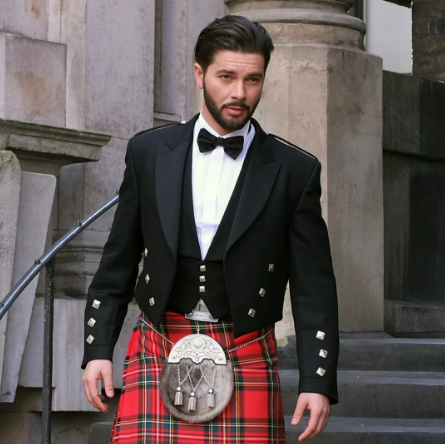
Not all kilt outfits are created equal. At formal events the Prince Charlie jacket sets the tone. This is the tuxedo Highland dress. It has a black-tie, with a waistcoat, bow tie, and a dress sporran.
Semi-formal leans toward the Argyll or Braemar jacket, usually paired with a 5-button waistcoat and necktie. Always skip the belt if you’re wearing a waistcoat; this detail trips up even the experts.
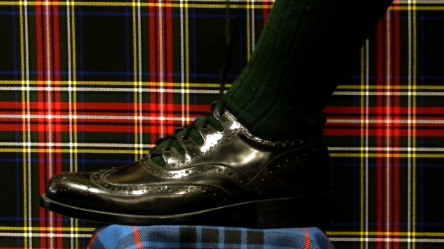
Hose should be cream or black and never bright white and flashes can highlight a subtle accent color from your tartan. Finish with polished ghillie brogues and remember: ghillie shirts are strictly for casual or semi-formal, never black-tie. When in doubt, keep it classic and your outfit will never look out of place. (Source: Clan, ScotlandShop)
Choosing the Right Tartan for the Event
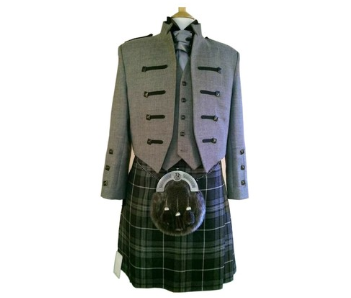
Start with the basics: your kilt should fit just above the knee and sit at the navel. Choose a tartan that speaks to you. There’s no rule that says you must have Scottish roots, and universal tartans like Black Watch are always a safe choice.
Next comes the jacket and waistcoat combo, with the Prince Charlie kilt wedding outfit and dress waistcoat for full formal, or Argyll with vest for semi-formal. A black satin bow tie keeps it timeless, and a full dress sporran signals that you understand the assignment.
Hose should coordinate but not compete; solid cream or charcoal is always camera-ready. Add garter flashes for a flash of color and finish with ghillie brogues, laced around the ankle and tied neatly in front.
Picking the Right Shirt for a Formal Look
The right accessories elevate your look.
- Place your kilt pin on the right apron, about four inches from the hem and two inches from the edge and never through both layers.
- The belt is only for daywear or with an Argyll and open waistcoat, never with the Prince Charlie.
- The sgian-dubh (sock knife) looks sharp but always check event and venue rules; some ban blades, so a dummy version keeps you on the right side of etiquette.
- Consider a fly plaid for the most formal affairs (especially as a groom), but check with your host before donning one as a guest.
- Kilt hose should never be white and should harmonize with your outfit and avoid bright flashes at formal events.
Coordinating Belts and Buckles
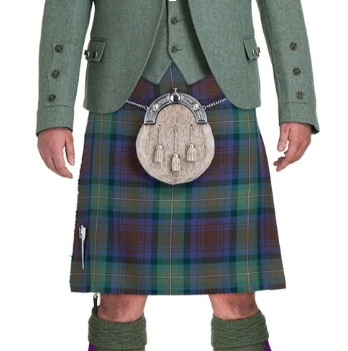
Worried about choosing the right tartan? You’re not alone. There’s a myth that you must have clan roots to wear a tartan, but official registers say otherwise: anyone can respectfully choose a design they like.
Universal or district tartans work for everyone with popular options include Black Watch, Isle of Skye, and Stewart. If you’re a wedding guest, check with the couple about tartan etiquette, especially for close family events.
For formal events, restraint is key. Go for bold tartans are best paired with classic, understated accessories. And if you’re renting, don’t stress and focus more on the fit and the details, and you’ll look the part, whatever the pattern.
Balancing Traditional and Modern Elements
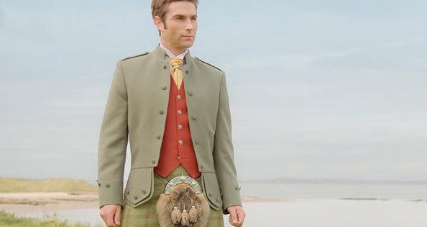
Want your look to stand out in a sea of formalwear? A perfectly draped fly plaid (secured with a brooch) can set you apart, but use it for ultra-formal events or as a groom. Keep your shirt crisp, your brogues polished, and your hose matched to your tartan’s subtle shades.
Practice tying your ghillie laces before the event. And wrap them three times around the ankle and tie neatly at the front for that authentic finish. Snap a few photos at home to check your fit and placement. Details like the kilt pin, flashes, and sporran position always stand out in pictures.
Confidence is the ultimate accessory, and knowing you’ve got the details right lets you wear it with style.
Conclusion
Highland dress is about celebrating tradition while looking and feeling your best. With a sharp Prince Charlie, a well-chosen tartan, and attention to every accessory, your kilt outfit is ready for any formal event whether wedding, gala, or grand celebration.