Key Takeaways
- Interest rates directly impact the cost of managing a line of credit, affecting both short-term and long-term financial planning.
- Monitoring economic news and central bank policies helps you anticipate rate changes, influencing borrowing costs.
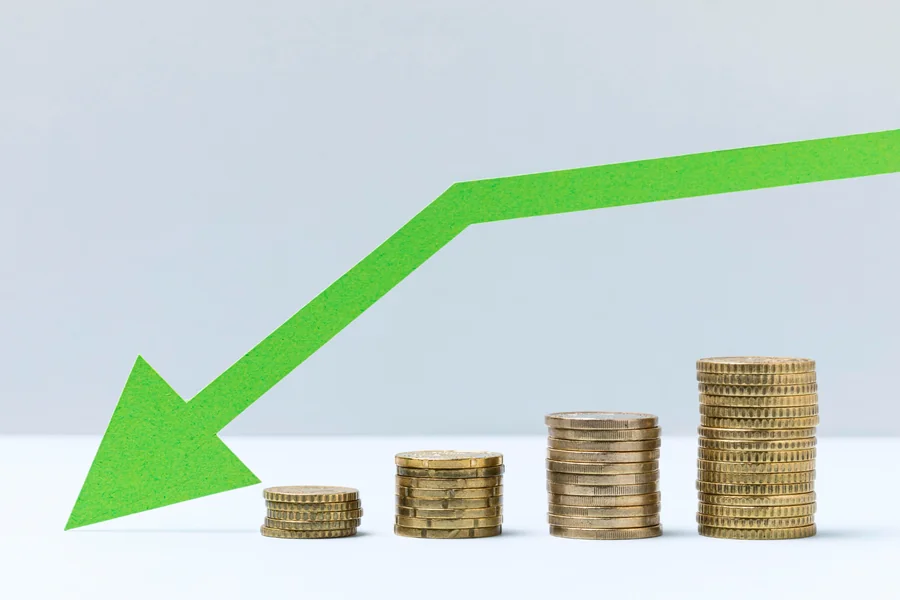
- Rising rates increase repayment obligations, while falling rates present opportunities for cost savings.
- Proactive borrowers can reduce financial stress by adjusting strategies ahead of rate shifts.
Introduction
Interest rates don’t just influence faraway financial institutions—they directly affect decisions you make every day, especially regarding your credit and borrowing options. For individuals and businesses relying on flexible funding, understanding the forces that shift interest rates is central to maintaining financial stability. If you’re exploring a line of credit business loan or already managing one, grasping interest rate movements is essential for making cost-effective decisions and safeguarding your financial well-being.
Because rates impact everything from short-term cash flow to long-term planning, keeping a close eye on monetary policies and lender offerings can help you save money and avoid surprises when payments are due. Rising interest rates can quickly increase your monthly repayment obligations, while falling rates can present opportunities to borrow at a lower cost. This is why being proactive and paying attention to economic news or policy pronouncements from central banks, like the Reserve Bank of Australia or the Federal Reserve in the U.S., is crucial if you have or are considering a line of credit. Understanding how and why rates change—whether due to inflation, government actions, or shifts in the global economy—can make the difference between financial stress and financial stability.
What Is a Line of Credit?
A line of credit is a revolving loan that grants you access to funds up to a predetermined limit. Unlike a traditional installment loan, which provides a lump sum with set repayment terms, a line of credit works more like a financial safety net. You borrow what you need when needed and only pay interest on the amount you utilize rather than the total approved limit. This arrangement provides flexibility for planned and unexpected expenses, making it especially valuable for individuals managing personal cash flow and businesses dealing with variable income cycles.
For example, a homeowner may use a line of credit to fund a renovation project in stages. Alternatively, a business might draw funds to cover seasonal inventory purchases, repaying the balance as revenue comes in. For freelancers, sole traders, or businesses experiencing seasonal demand, the ability to dip into funds only when necessary is invaluable for maintaining operations without locking in unnecessary debt costs. This ongoing access to credit, combined with variable rates, makes the cost of borrowing directly tied to broader economic changes. Unlike credit cards, lines of credit can also feature higher limits and lower interest rates, making them suitable for substantial expenses or bridging gaps between pay cycles.
How Interest Rates Affect Your Line of Credit
Most lines of credit, including home equity lines of credit (HELOCs) and many business solutions, feature variable interest rates. These rates generally track a benchmark such as the central bank’s official cash or interbank lending rates. When the benchmark rate rises, lenders increase the interest you pay on your outstanding balance. When it falls, your borrowing costs decrease. Even though the margin added by your lender largely remains constant, the foundation rate can shift unexpectedly, causing the cost of borrowing to move up or down accordingly.
This fluctuation means your monthly obligations can change over time. Even a small rate increase can lead to higher minimum payments for personal borrowers, affecting monthly budgets. For businesses, a rate hike can impact profitability, particularly if large balances are carried for extended periods. According to the Investopedia guide to HELOCs, knowing how your rate is set and tracking changes helps you anticipate and manage these impacts. Furthermore, lines of credit can sometimes have “floor” rates—minimum rates below which your interest cannot drop—which means borrowers may not benefit fully from market rate cuts. Conversely, with no ceiling, rising rates can make borrowing temporarily much more expensive than originally planned.
Strategies to Manage Your Line of Credit Amidst Rate Changes
- Monitor Rate Trends: Regularly review economic reports and central bank updates to anticipate changes in interest rates. Staying knowledgeable about market conditions enables you to make informed borrowing decisions. Setting up alerts for pertinent financial developments or subscribing to economic newsletters can help you avoid sudden rate movements that might affect your credit costs.
- Consider Fixed-Rate Options: If your lender offers a fixed-rate line of credit or allows you to lock in a portion of your balance at a fixed rate, consider this path to provide predictable payments during periods of rate volatility. This strategy limits risk, especially if rates are expected to climb. Fixed-rate products provide peace of mind, especially during economic uncertainty, ensuring your payments stay stable regardless of outside forces driving rates up.
- Pay Down Balances Quickly: Make extra payments or reduce your balance ahead of expected rate increases whenever possible. Lowering your utilized credit can effectively cushion your finances from future hikes. By reducing your exposure to fluctuating interest rates, you save on interest charges and create room in your credit limit for future needs. Some borrowers set up automated payments to help pay down balances consistently, while others use windfalls or surplus cash to knock out debt before rates change.
Real-Life Implications of Interest Rate Fluctuations
Interest rate changes can have tangible effects on households and businesses. For instance, families managing HELOCs may see their minimum payments jump when rates rise, straining their monthly cash flow. During sustained periods of rate increases, those carrying high revolving balances could pay thousands more in interest each year. This sudden spike can lead people to cut discretionary spending, pause home improvement projects, or seek alternative financing solutions. On the business front, higher rates may force companies to delay expansion plans, reduce inventory purchases, or restructure existing debt to manage increased costs.
On the flip side, falling rates make borrowing more affordable, which can prompt home improvements, business investments, or personal purchases that might otherwise be postponed. Lower interest costs can free up capital for other goals, from retirement savings to business growth. Historical periods of rate shifts, such as the rate hikes following inflation surges or the slashing of rates during recessions, demonstrate how borrowing costs ebb and flow with the broader economy. The New York Times explains that businesses often expand investments when rates fall but may cut back when costs increase, underscoring the ripple effects of these changes. Personal finance experts often advise borrowers to use windows of low interest to refinance debt or to lock in rates where possible, maximizing the benefits of favorable market conditions.
Final Thoughts
Interest rates shape the contours of your credit experience, dictating how much you pay and how you manage your resources. By staying informed about economic trends, contemplating fixed-rate solutions, and proactively paying down balances, you can protect yourself or your business from the unpredictability of variable borrowing costs. With a clear understanding of the relationship between rates and your line of credit, you’ll be better positioned to thrive, whatever the financial climate may bring. In a world where economic conditions constantly shift, being proactive and adaptable with your credit choices can help you maintain financial health and seize opportunities as they arise.