
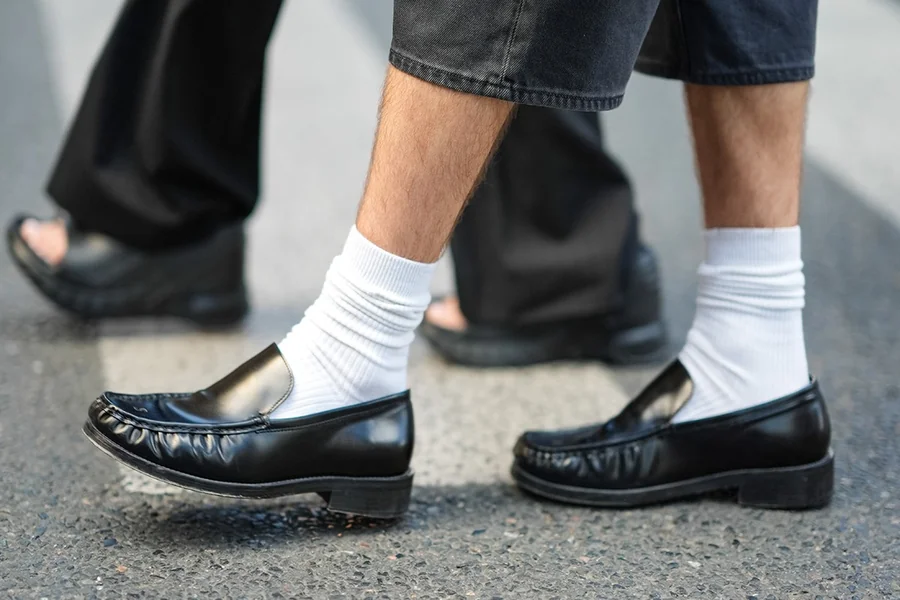
As fashion continues to evolve, 2025 will be a transformative year for men’s footwear. This year’s trends focus on versatility, comfort, and sustainability—qualities that modern consumers now demand in their everyday style. From sleek minimalism to bold, statement-making designs, today’s shoes merge form with function like never before. Classic silhouettes are being reimagined with updated materials and cleaner aesthetics, making them perfect for casual and semi-formal settings.
One standout example of this evolution is the latest collection of footwear for men by TOMS, which reflects the shift toward conscious, comfort-driven fashion. Blending timeless design with a modern edge, these shoes cater to a wide range of lifestyles without sacrificing quality or purpose. Whether you’re dressing up for work or winding down on the weekend, 2025’s footwear landscape offers something fresh for every man’s wardrobe.
Sustainable and Eco-Friendly Footwear
The movement toward reducing waste and conserving resources has had a noticeable impact on the men’s footwear market. This year, designers and consumers are championing shoes crafted from recycled plastics, innovative plant-based leathers, and sustainably sourced natural fibers. This growing preference for green materials reflects a commitment to protecting the planet and a broader move within the industry toward greater accountability and transparency throughout the supply chain. Circular fashion is also gaining momentum, with some brands introducing take-back programs to recycle or upcycle old shoes, further minimizing environmental footprint and encouraging responsible disposal practices.
In addition to material upgrades, ethical labor practices and responsible production models are setting new standards within the footwear sector, with many brands now ensuring fair wages and safe working conditions for all involved. As environmental standards become a baseline expectation, the importance of certifications like the Global Organic Textile Standard (GOTS) and Leather Working Group (LWG) grows, further guiding consumers toward responsible purchases.
Retro Styles with Modern Twists
Classic designs are making a powerful comeback with clever updates that fuse nostalgia with comfort and performance. Loafers, Chelsea boots, and brogues remain wardrobe staples, but they’re now available with enhanced soles, breathable linings, and splash-resistant finishes. Heritage silhouettes, reinterpreted in new colorways and modern materials, provide an elegant solution for casual and formal outfits. This unexpected blend of tradition and progress rejuvenates vintage looks for a highly adaptable, all-season wardrobe. Current collections often highlight iconic shapes reimagined through the lens of current-day needs, such as incorporating athletic shoe cushioning into dress styles or designing boots with water-resistant vegan leather. The resulting footwear appeals to younger audiences seeking authenticity and connection to fashion history while catering to their desire for contemporary flair.
Collaborations between legacy brands and contemporary designers also infuse fresh creativity into established designs, producing limited-edition drops that instantly balance classic charm with an avant-garde edge. These collaborations breathe new life into time-honored models and deepen the sense of exclusivity and collectability. For men who wish to balance professional polish with personal style, the revival of vintage shoes reimagined for today is the perfect solution.
Technological Advancements in Footwear
The digital revolution influences men’s fashion, especially footwear. By 2025, smart shoes with embedded sensors, adaptive cushioning, and temperature regulation are gaining popularity, enhancing athletic performance, health, and convenience. Data-driven design and 3D printing allow for custom-fit insoles, reducing discomfort and improving posture. Smart insoles and smartphone apps help monitor movement and improve gait. As technology integrates with footwear, new features support health goals. Connectivity with wearables like smartwatches adds convenience, turning shoes into wellness tools. These innovations redefine confident walking into the future.
Bold and Statement Designs
Self-expression is at the core of 2025’s bold footwear trends. Whether through experimental use of color, oversized silhouettes, or complex motifs, shoes have become an essential canvas for creativity. Neon hues, abstract graphic patterns, and sculptural soles are particularly prominent, capturing the spirit of individuality across runways and streetwear. Limited-edition collaborations between artists and footwear brands are contributing unique, collectible designs that challenge traditional style conventions. Designers are also pushing boundaries with materials—metallic finishes, transparent panels, and exaggerated treads make many new releases instantly recognizable and conversation-worthy. For men eager to make a memorable impression, the “statement shoe” trend offers the perfect opportunity to showcase a distinctive aesthetic at work and during social outings.
Customization and Personalization
Personal style has become paramount, and the growing trend toward customization empowers buyers like never before. Advances in digital manufacturing technology now allow customers to select colors, materials, embroidery, and even mix-and-match elements, resulting in footwear as unique as its wearer. Bespoke services and online configurators make designing shoes around specific tastes and functional needs easy. Many brands are launching interactive platforms where shoppers can tweak every aspect of their shoes, from laces and graphics to traction patterns, ensuring the perfect balance of style and utility. This emphasis on personalization is also reflected in the rise of monogramming and limited-edition colorways, allowing men to inject their character into every step. As competition increases across the industry, bespoke offerings quickly transition from luxury add-ons to a core feature in mainstream retail, ensuring a more satisfying and personal shopping experience. Customization isn’t just about aesthetics—more advanced foot scanning and fitting technologies mean consumers get shoes supporting biomechanics.
Comfort and Versatility
Even as aesthetics dominate headlines, comfort is non-negotiable for today’s consumers. Look for lightweight materials, adaptive insoles, and ergonomic fits in everything from dress shoes to hybrids that fuse the ease of sneakers with the sophistication of oxfords or boots. These versatile designs transition seamlessly from professional to social settings, catering to the multifaceted lifestyles of modern men. Hybrid footwear has become increasingly popular as men seek convenience without sacrificing formality or performance. Shoes that offer flexible support, all-day breathability, and water-resistance are highly in demand among busy professionals and city dwellers. Consumers now expect the latest footwear to be up to the task, whether heading to a board meeting, a night out, or a weekend getaway. Comfort-first innovation is being adopted across all price points—midsole cushioning, antimicrobial linings, and moisture-wicking fabrics are becoming standard. The rise of hybrid footwear signals a new age of all-purpose convenience, enabling men to look sharp and feel great in any situation without compromising on comfort or durability.
Conclusion
The landscape of men’s footwear in 2025 is dynamic, driven by an exciting convergence of values, technology, and personal style. Today’s leading trends are not just about looking good—expressing individuality, making thoughtful choices, and harnessing innovations that enhance quality of life. Whether eco-conscious materials, connected smart features, or striking statement pieces, the new wave of footwear ensures every man can find the perfect pair for his lifestyle. As the market continues to evolve, expect to see even greater emphasis on sustainability, comfort, and creative personalization, reflecting the diverse and ever-changing needs of modern living.